




Electric bikes are becoming faster and more powerful each year, which naturally raises an important question for new riders:
👉 Are electric bikes actually safe in real-world use?
The answer is not simply yes or no.
Electric bikes can be safe—but safety depends on how the bike is designed and how it is used in real riding conditions.
What safety really means on an electric bike
Most people associate e-bike safety only with speed. In reality, safety is a combination of several systems working together:
- braking performance
- stability at different speeds
- tire grip on real road surfaces
- rider awareness in traffic
A slower bike is not automatically safer if it lacks proper control or stopping capability.
Braking is the most critical safety factor
At higher speeds, braking performance becomes more important than acceleration.
A safe electric bike should provide:
- consistent braking response
- strong stopping power under load
- stability during emergency braking
If braking performance is weak, even moderate speeds can become difficult to manage in urban environments.
Stability reduces real-world risk
Most riding risks are not caused by straight-line speed.
They typically occur when dealing with:
- uneven pavement
- sudden direction changes
- unexpected obstacles
- mixed traffic conditions
In these situations, frame geometry, tire width, and suspension play a major role in maintaining control.
Improved stability reduces unpredictable movement and enhances rider confidence.
Where most incidents actually happen
Contrary to common belief, most e-bike incidents do not occur at top speed.
They are more likely to happen in:
- intersections
- shared bike lanes
- parking areas
- pedestrian-heavy environments
In these scenarios, reaction time and control are more important than raw power.
Example of a stability-focused e-bike setup
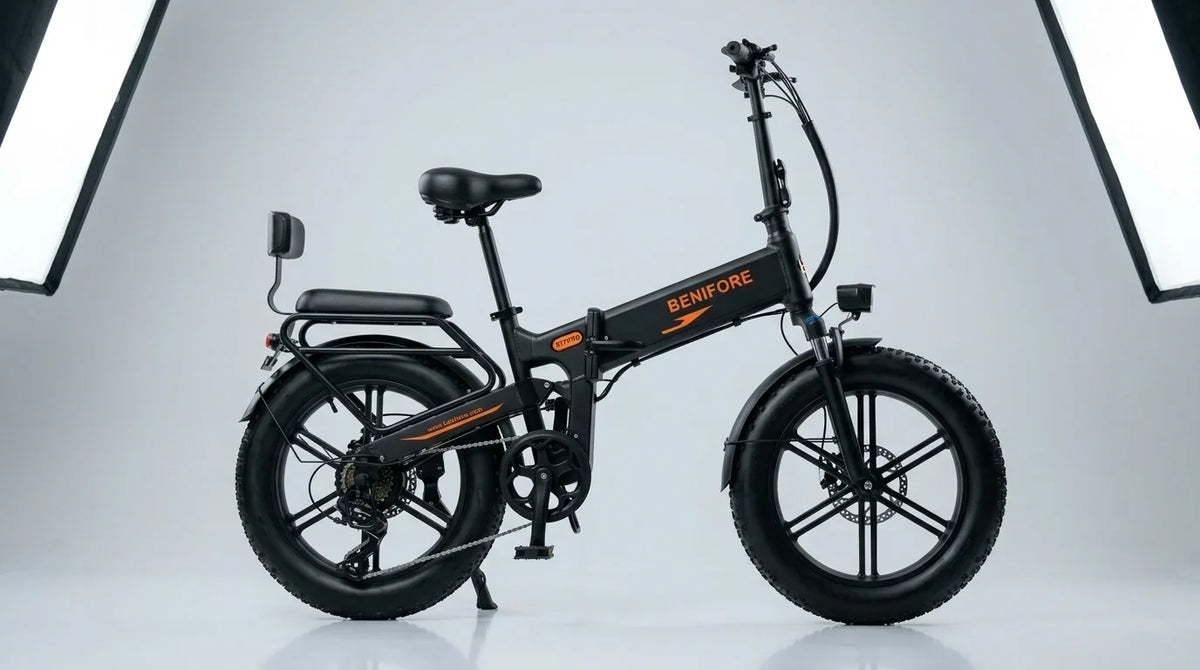
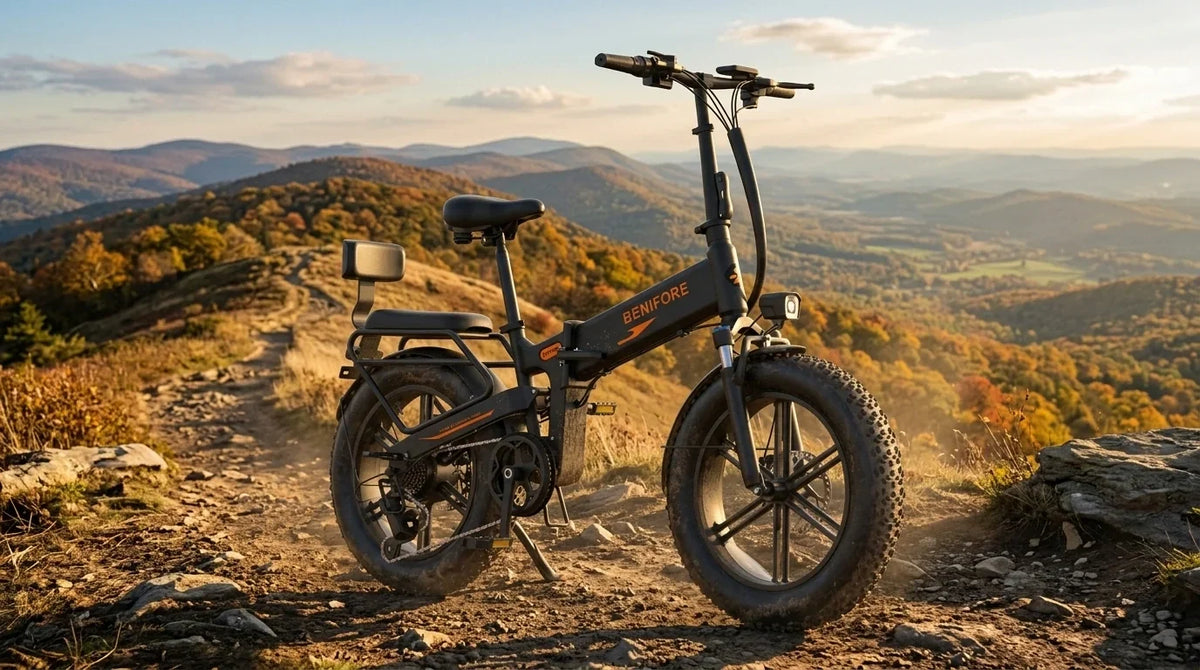
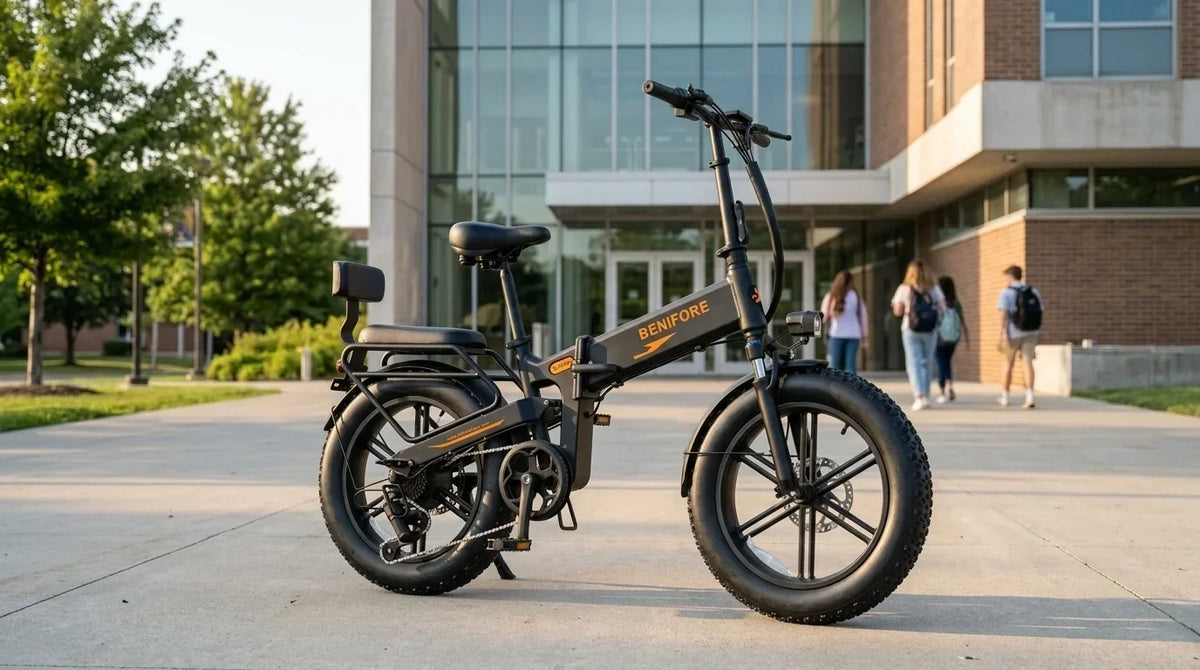
The Benifore X1T PRO is designed with a stability-oriented approach, including:
- fat tires for improved road contact
- full suspension for impact absorption
- high torque delivery for smoother acceleration
- balanced frame geometry for improved control
The goal is to improve predictability and handling across different riding conditions.
Common misconception about e-bike safety
A frequent assumption is that higher speed automatically means lower safety.
In reality:
- controlled high-speed riding can be stable on suitable roads
- poorly designed low-speed bikes can still feel unstable
- rider behavior often has the greatest impact on safety
Safety is determined more by control than limitation.
Final takeaway
Electric bikes can be safe when three conditions are met:
- the bike has reliable braking and stability systems
- the rider adjusts speed to match road conditions
- the riding environment suits the bike’s performance level
👉 In real-world use, safety is defined by control—not just speed or power.
Share: