




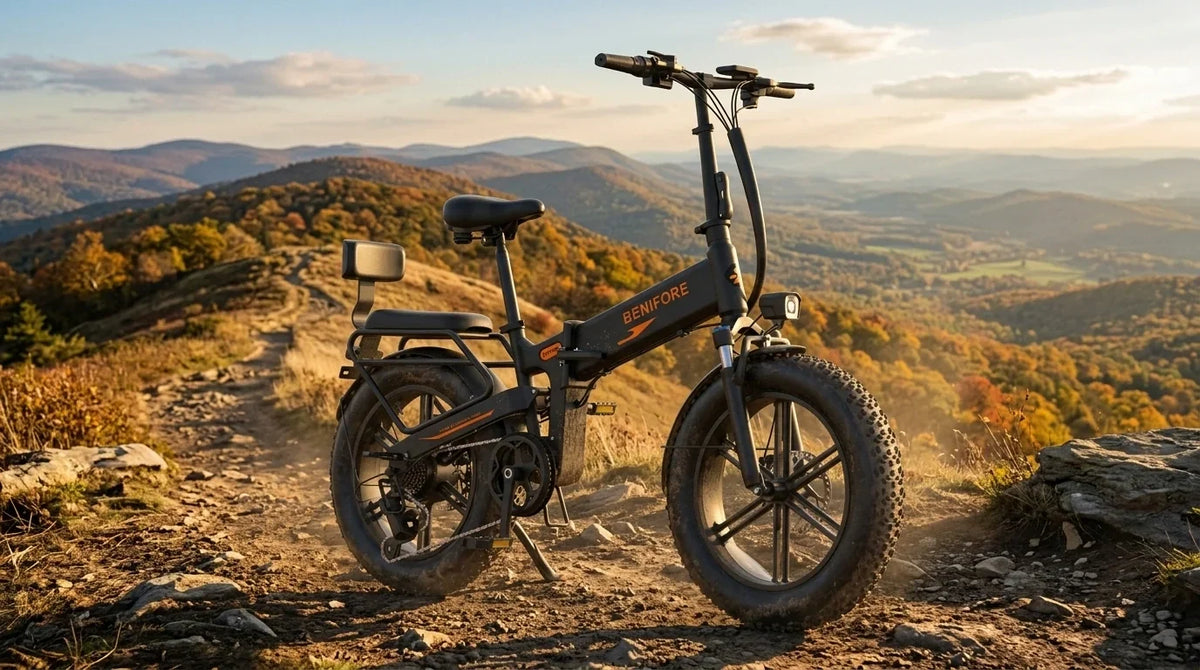
Electric bikes are becoming one of the most practical tools for outdoor camping and adventure travel in the United States. In 2026, more riders are using e-bikes not just for commuting, but also for fishing trips, camping, and off-grid exploration.
Compared with traditional bicycles or motorcycles, electric bikes offer a balance between mobility, silence, and cargo capability, making them increasingly popular among outdoor enthusiasts.
Why Electric Bikes Are Becoming Popular for Camping
According to general outdoor mobility trends reported by multiple cycling industry analyses (including publicly available cycling behavior reports from the US market), riders are shifting toward electric bikes for camping because they reduce physical fatigue while expanding travel range.
Key advantages include:
- Ability to carry gear without physical exhaustion
- Access to remote camping locations
- Quiet operation suitable for nature environments
- Reduced dependency on fuel or vehicle access
- Easier terrain handling in mixed environments
These factors make e-bikes a strong alternative to cars for short-distance outdoor travel.
Real-World Camping Use Requirements
A camping electric bike is different from a regular commuter model. Riders need more than just speed or range.
Important performance requirements include:
- High torque output for uneven terrain and uphill trails
- Stable frame structure for cargo weight distribution
- Long-range battery support for extended trips
- Durable tires suitable for dirt, grass, and gravel
- Suspension system for off-road comfort
Without these elements, outdoor riding becomes less practical and more physically demanding.
Stability and Cargo Performance in Outdoor Conditions
When used for camping, electric bikes often carry additional weight such as backpacks, tents, fishing gear, or food supplies.
This makes load stability a critical factor.
A well-designed system should maintain:
- Balanced weight distribution during riding
- Smooth acceleration under load
- Predictable braking performance on slopes
- Frame rigidity on uneven terrain
These factors directly affect safety and ride confidence in outdoor environments.
Real Riding Experience vs Specifications
In real outdoor use, specifications alone do not determine performance.
For example, two bikes with similar power ratings may feel completely different when riding on gravel roads or forest trails. This is because torque delivery, controller tuning, and suspension response have a greater impact on real riding behavior than peak numbers alone.
A Practical Example for Outdoor Riders
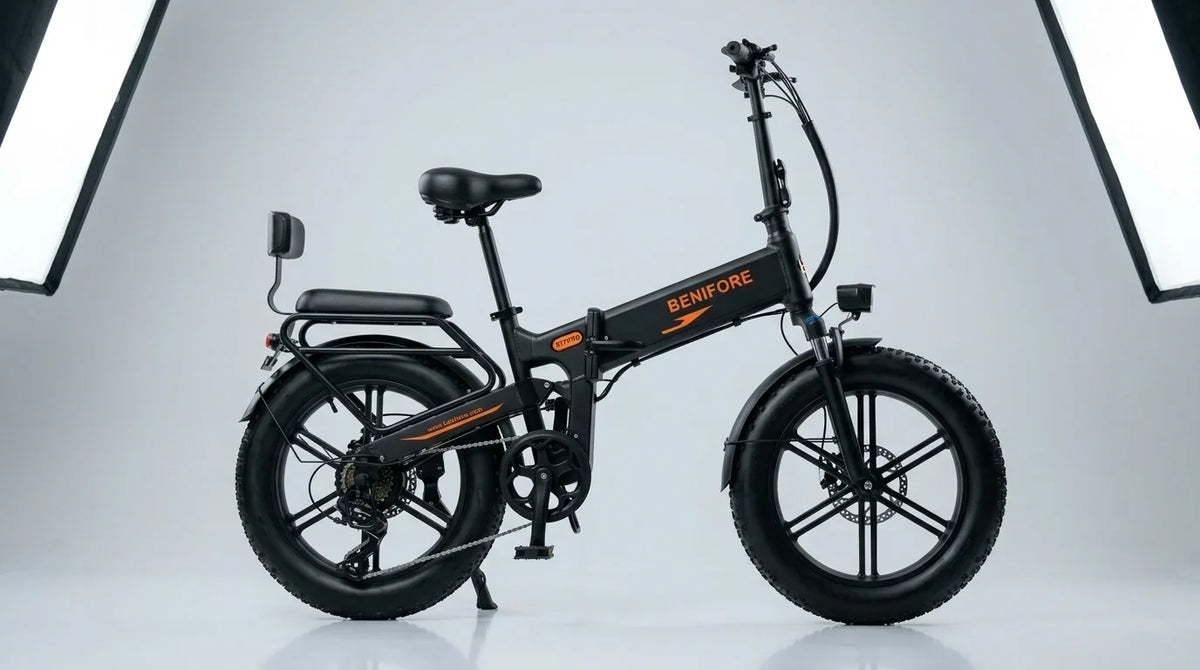
Modern electric bikes like Benifore X1T PRO are designed with outdoor versatility in mind.
Instead of focusing on a single metric, the system is optimized for combined performance:
- Strong torque support for hill climbing and cargo load
- Full suspension system for uneven terrain
- Long-range battery for extended riding sessions
- Stable frame structure for outdoor utility use
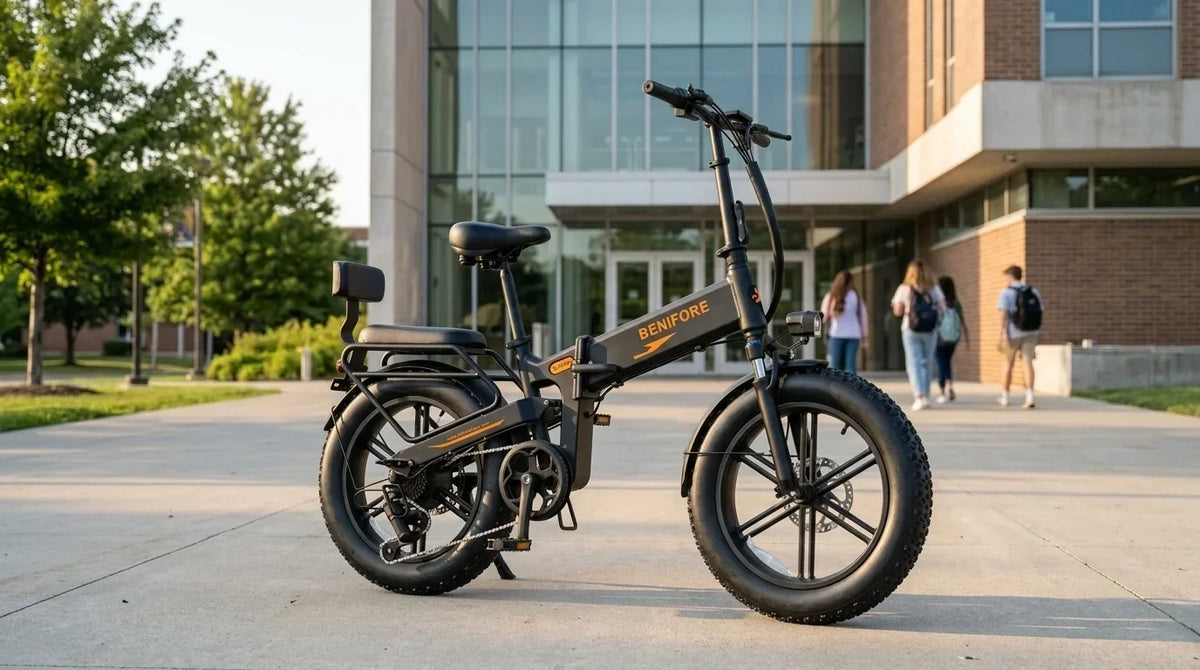
This type of balanced design is increasingly preferred by US riders who use e-bikes for both commuting and recreational travel.
Final Insight
The best electric bike for camping is not defined by speed or brand, but by how well it performs in real outdoor conditions.
As the US outdoor recreation market continues to grow in 2026, more riders are choosing electric bikes that offer stability, endurance, and practical cargo capability over purely performance-focused designs.
Share: