




Long-range electric bikes are becoming one of the most important categories in the US electric mobility market in 2026. As riders move further away from traditional commuting habits, the demand for reliable battery performance and real-world range consistency continues to increase.
According to general findings from publicly available transportation research summaries and cycling industry reports (including analyses referenced by organizations such as the National Bicycle Dealers Association and US mobility trend studies), battery efficiency and range stability are now among the top three purchase decision factors for electric bike buyers.
Why Long Range Matters in Real Riding
In real-world riding conditions, electric bike range is affected by multiple external factors such as:
- Rider weight
- Terrain type
- Weather conditions
- Speed and acceleration habits
- Load and cargo usage
This means advertised maximum range is often different from real usable range.
For daily riders in the United States, especially those using electric bikes for commuting or recreational travel, consistency matters more than peak numbers.
Battery Performance and Real-World Efficiency
Modern lithium battery systems have significantly improved over the past decade. However, actual performance still depends on how efficiently energy is managed during riding.
Key factors influencing real battery performance include:
- Motor efficiency under load
- Controller power management
- Tire resistance on different surfaces
- Riding mode selection (eco vs sport)
A well-balanced system ensures more predictable performance across different riding environments.
Industry Perspective on Electric Mobility Growth
As noted in broader transportation discussions from cycling industry analysts and publications such as Cycling Industry News and similar mobility research sources, electric bikes are increasingly seen as a bridge between traditional bicycles and short-distance vehicle travel.
This shift is driven by:
- Rising fuel costs in the United States
- Urban traffic congestion
- Increased interest in sustainable transportation
- Expansion of recreational cycling culture
These factors continue to push demand for long-range electric bikes upward.
Real-World Riding Experience
In real usage scenarios such as commuting, weekend exploration, or outdoor riding, riders often prioritize:
- Stable energy output over long distances
- Predictable battery depletion behavior
- Comfort during extended rides
- Efficient motor assistance on hills
This is why system-level design is more important than isolated battery capacity numbers.
Balanced Long-Range Electric Bike Example
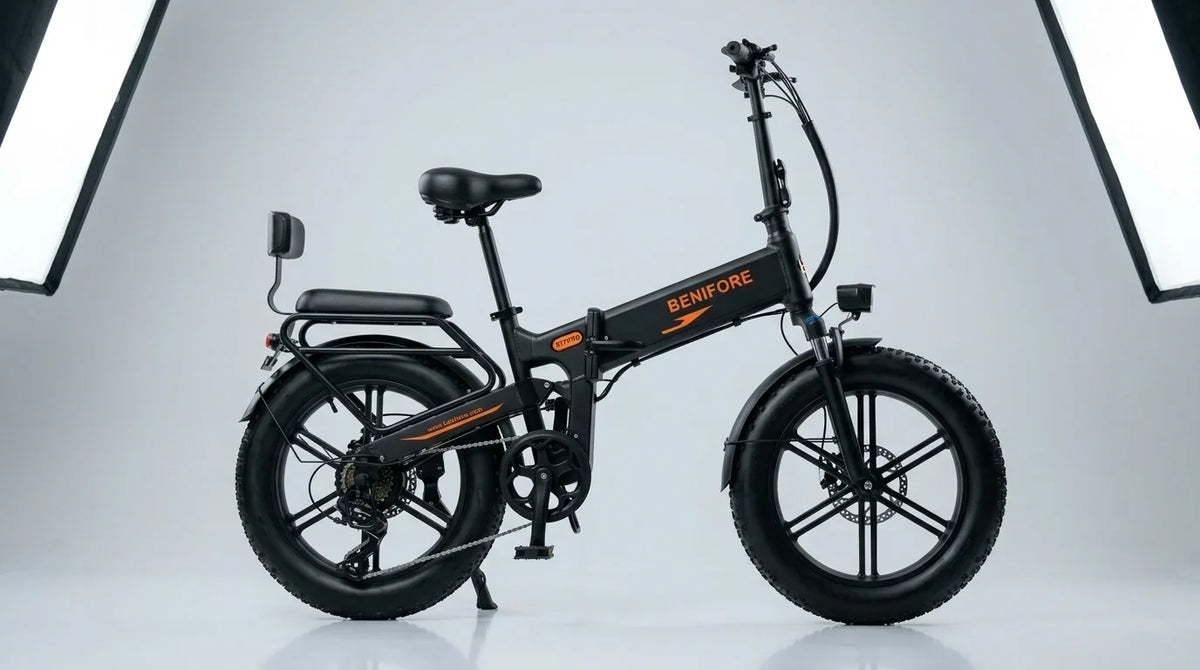
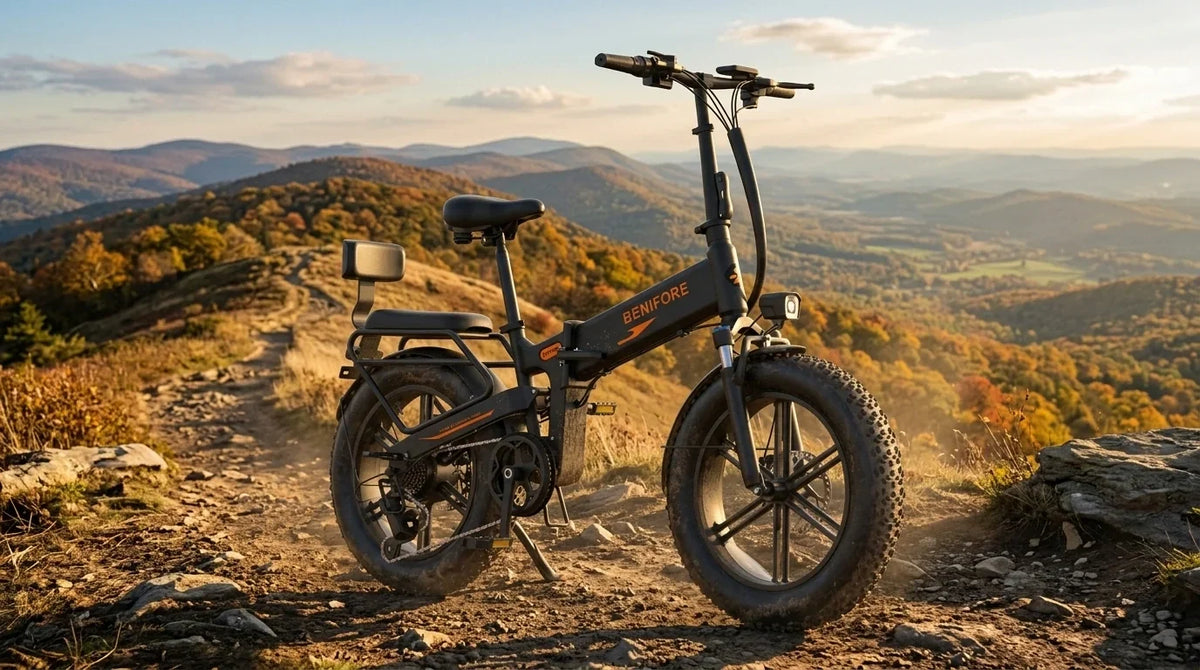
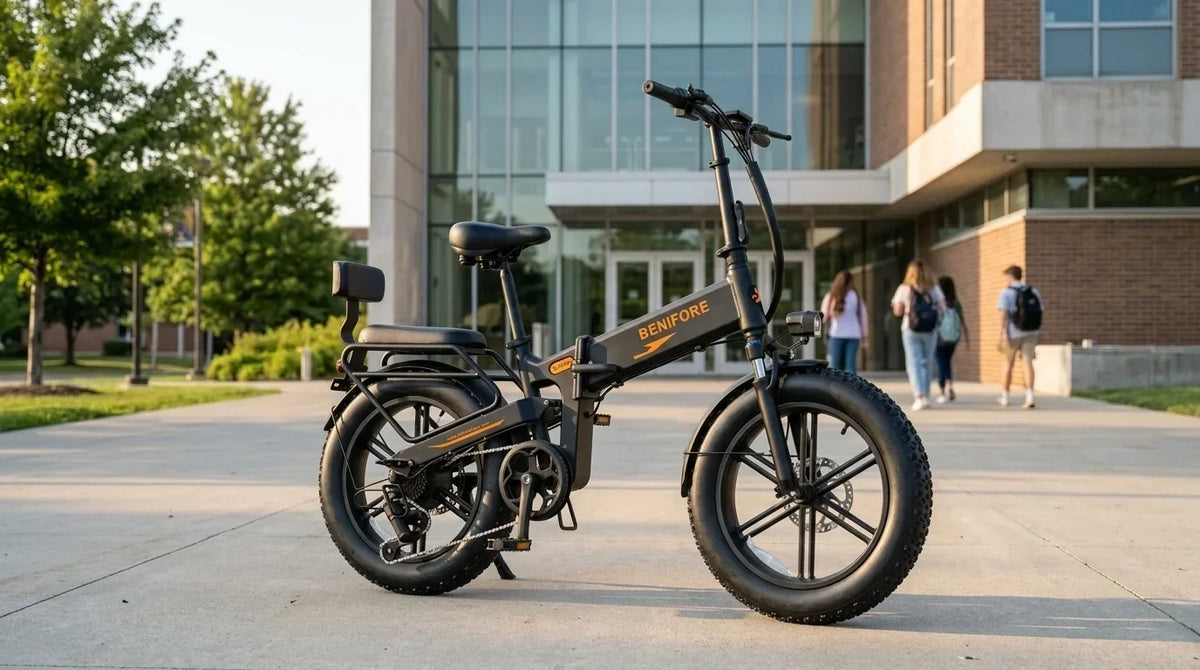
Electric bikes such as Benifore X1T PRO are designed with system balance in mind, focusing on practical riding performance rather than isolated specifications.
Key characteristics include:
- High-capacity battery system for extended riding
- Efficient motor torque delivery for terrain variation
- Suspension support for long-distance comfort
- Stable frame design for load consistency
This combination allows riders to maintain consistent performance over longer distances in real-world environments.
Final Insight
The best long-range electric bike is not defined only by battery size, but by how efficiently the entire system works together under real riding conditions.
As the US electric bike market continues to mature in 2026, riders are increasingly prioritizing efficiency, consistency, and ride quality over simple range numbers.
Share: