




Electric bikes have changed the way people travel, commute, and explore outdoors. With powerful motors, longer riding ranges, and improved designs, eBikes have become a practical transportation option for millions of riders.
However, as electric bikes become more popular, many riders have questions about one important component:
The battery.
The battery is the heart of an electric bike. It determines riding range, charging frequency, performance, and the overall ownership experience.
Many new riders ask:
- How should I charge my electric bike battery?
- How long does an eBike battery last?
- Can I leave my battery charging overnight?
- How can I keep my battery safe?
- What affects battery performance?
Understanding proper battery care helps riders improve safety, extend battery lifespan, and get more reliable performance from their electric bikes.
This guide explains the most important electric bike battery safety tips, charging habits, storage recommendations, and maintenance practices every rider should know.
Why Electric Bike Battery Safety Matters
Modern eBike batteries are designed with advanced technology and multiple protection systems.
Most electric bikes use lithium-ion batteries because they provide:
- High energy density
- Lightweight design
- Longer riding range
- Rechargeable performance
However, like all lithium-ion products, batteries require proper usage and care.
A battery is not just a power source. It is a complex system that includes:
- Battery cells
- Protection circuits
- Battery management system (BMS)
- Charging components
- Electrical connections
Proper handling helps maintain:
- Battery efficiency
- Riding range
- Charging reliability
- Long-term performance
For riders investing in an electric bike, understanding battery care is an important part of ownership.
How to Properly Charge an Electric Bike Battery
Charging habits have a direct impact on battery performance.
Many battery problems are not caused by the battery itself, but by improper charging practices.
1. Use the Original Charger
One of the most important battery safety rules is using the correct charger.
Different batteries require different:
- Voltage levels
- Charging current
- Electrical specifications
Using an incorrect charger may damage battery components or reduce battery lifespan.
Always use the charger designed specifically for your electric bike model.
2. Charge in a Safe Environment
Where you charge your battery matters.
Recommended charging locations:
- Dry areas
- Well-ventilated spaces
- Stable surfaces
- Away from extreme temperatures
Avoid charging batteries:
- Near water
- In direct sunlight
- Near heating sources
- In extremely cold conditions
A stable charging environment helps protect battery performance.
3. Avoid Completely Draining the Battery Frequently
Lithium-ion batteries perform best when they are not constantly drained to zero.
Regular deep discharge can increase battery stress.
Instead:
- Recharge before the battery reaches extremely low levels
- Maintain reasonable charge cycles
- Avoid leaving the battery empty for long periods
This helps preserve battery capacity over time.
How Long Does an Electric Bike Battery Last?
Battery lifespan depends on many factors.
Common influences include:
Riding Style
Aggressive riding with:
- Higher speeds
- Maximum motor assistance
- Frequent acceleration
requires more energy.
Moderate riding can improve efficiency and range.
Terrain
Riding conditions affect battery usage.
Flat roads generally require less power.
Hills, rough terrain, and off-road environments require more assistance from the motor.
Rider Weight and Load
Higher loads require more motor effort.
This is especially important for:
- Cargo riders
- Heavy riders
- Adventure riding
Electric bikes designed with stronger motors and higher load capacities often provide better performance under demanding conditions.
Temperature
Extreme temperatures can affect lithium-ion battery performance.
Cold weather may temporarily reduce available range.
Hot environments can also increase battery stress.
For best performance:
- Avoid extreme temperatures
- Store batteries indoors when possible
- Allow batteries to return to normal temperature before charging
Electric Bike Battery Storage Tips
Proper storage is especially important when you are not riding frequently.
Short-Term Storage
If you are not using your eBike for several days:
- Keep the battery partially charged
- Store it in a dry location
- Avoid extreme temperatures
Long-Term Storage
For seasonal storage:
- Clean the battery area
- Charge the battery periodically
- Avoid storing it completely empty
- Keep it away from moisture
Proper storage helps maintain battery health during periods of inactivity.
Signs Your eBike Battery Needs Attention
Most batteries provide reliable performance for years, but riders should understand warning signs.
Possible signs include:
Reduced Range
A noticeable decrease in riding distance may indicate:
- Battery aging
- Incorrect charging habits
- Temperature effects
- Increased riding demands
Charging Problems
Pay attention if:
- The battery does not charge normally
- Charging stops unexpectedly
- The charger connection feels unusual
Physical Damage
Inspect your battery regularly.
Avoid using a battery if you notice:
- Swelling
- Physical damage
- Unusual smell
- Visible damage to connectors
Safety should always come first.
How Benifore Approaches Electric Bike Battery Performance
A reliable electric bike requires more than just a large battery capacity.
The complete system matters:
- Motor efficiency
- Battery management
- Frame design
- Riding conditions
- Overall bike balance
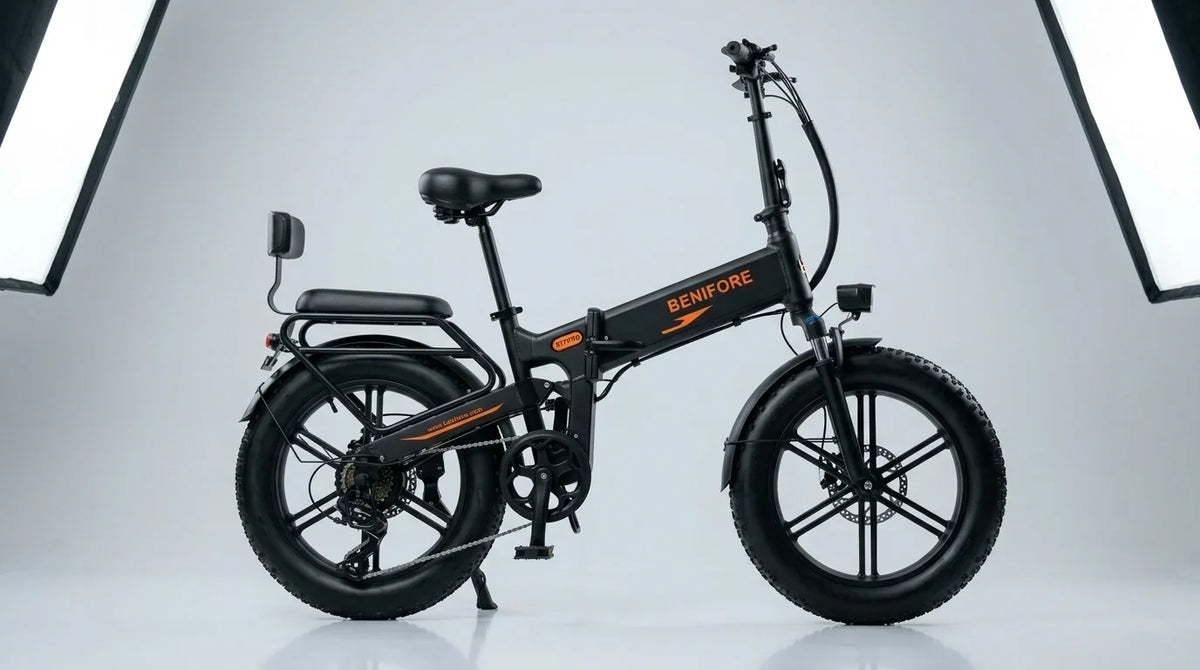
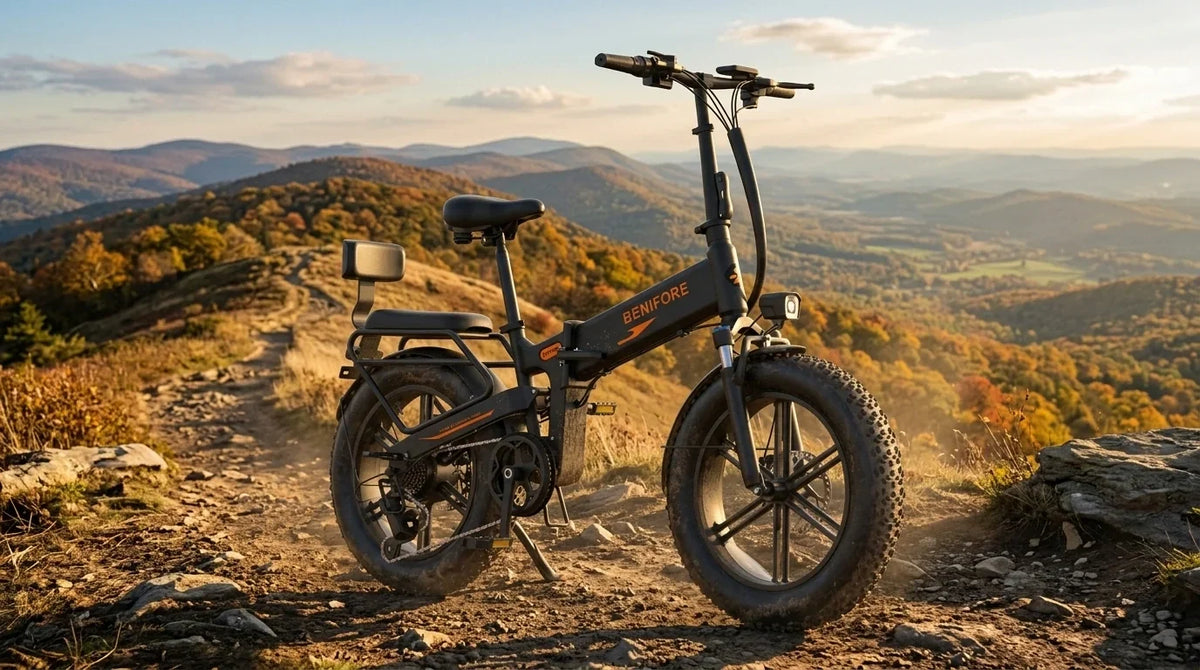
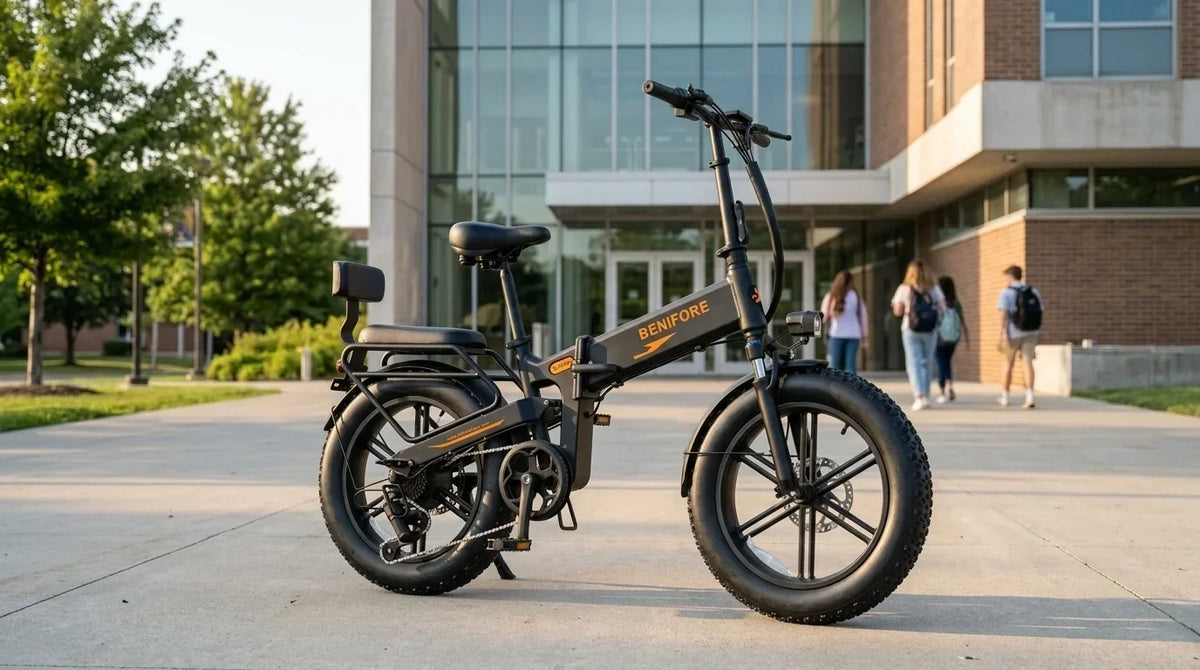
The Benifore X1T PRO is designed for riders who need dependable performance for commuting, outdoor riding, and longer-distance trips.
Its battery system includes:
- 48V 20Ah battery
- Up to 65 miles riding range
- Efficient power management
- Support for daily commuting and weekend adventures
Combined with features such as:
- 1500W peak motor
- 90Nm torque
- 20×4.0 fat tires
- Full suspension design
the X1T PRO is built for riders who want both capability and confidence.
Battery performance is not only about maximum range. It is about consistent, reliable power throughout every ride.
Common Electric Bike Battery Questions
Can I leave my eBike battery charging overnight?
Occasional overnight charging may not immediately damage a battery, but it is generally better to disconnect the charger after a full charge whenever possible.
Following recommended charging habits helps maintain long-term battery health.
Should I remove the battery when storing my electric bike?
If storing the bike in extreme temperatures or for extended periods, removing and storing the battery indoors can help protect performance.
How often should I charge my electric bike battery?
Charging frequency depends on usage.
Daily commuters may charge more frequently, while occasional riders may charge less often.
The key is maintaining healthy charging habits rather than following a fixed schedule.
Final Thoughts
Electric bike batteries are designed to provide years of reliable performance when properly maintained.
Good battery habits include:
- Using the correct charger
- Charging in safe environments
- Avoiding extreme temperatures
- Storing properly
- Monitoring battery condition
Understanding battery safety allows riders to enjoy longer rides with greater confidence.
A well-maintained electric bike battery does more than provide power. It supports reliability, convenience, and freedom on every journey.
Share: