




Brakes are one of the most important components on an electric bike, but they are also one of the easiest parts to overlook when comparing different models.
Many buyers focus on motor power, battery capacity, top speed, tire size, or range. Those specifications are important, but an eBike also needs a braking system that matches its overall weight, speed, terrain, and riding style.
For electric bikes, two common brake configurations are hydraulic disc brakes and mechanical disc brakes.
Both systems can provide reliable stopping performance when properly designed, adjusted, and maintained. However, they work differently and offer different advantages.
Understanding how each system works can help you make a more informed decision when choosing an electric bike.
Why Do Electric Bikes Need Strong Brakes?
An electric bike is not simply a traditional bicycle with a motor added to it.
Compared with many conventional bicycles, an eBike can have:
- A heavier frame
- A larger battery
- A more powerful motor
- Larger tires
- Additional equipment
- Higher potential riding speeds
- Greater combined rider and bike weight
All of these factors influence braking requirements.
When a rider needs to slow down, the braking system must convert the bike's moving energy into heat through friction.
The faster the bike is traveling and the greater the combined weight, the more energy the brakes may need to manage.
This is why brake selection should be considered together with the entire eBike design.
A braking system that works well on a lightweight bicycle may not provide the same overall experience on a heavier, higher-performance electric bike.
What Is a Mechanical Disc Brake?
A mechanical disc brake uses a physical cable to transfer the force from the brake lever to the brake caliper.
When you squeeze the brake lever, the cable pulls the mechanism inside the caliper.
The brake pads then press against the rotor and create friction.
The basic system is relatively straightforward:
Brake Lever → Cable → Caliper → Brake Pads → Rotor
Mechanical disc brakes are widely used because they are relatively simple and familiar to bicycle mechanics.
They can also be easier to inspect and service in some situations.
What Is a Hydraulic Disc Brake?
A hydraulic disc brake uses fluid instead of a mechanical cable.
When the rider squeezes the brake lever, pressure is generated in the hydraulic system.
That pressure moves fluid through the brake line and activates the caliper.
The basic system is:
Brake Lever → Hydraulic Fluid → Caliper → Brake Pads → Rotor
Because hydraulic systems use fluid pressure, the braking action can feel different from a traditional cable-operated system.
Many riders describe hydraulic brakes as having a smoother and more consistent lever feel.
Hydraulic vs Mechanical Disc Brakes: What Is the Difference?
The biggest difference is how the force from your hand reaches the brake caliper.
Mechanical Disc Brake
Uses a cable.
Advantages:
- Simple mechanical design
- Familiar maintenance process
- Cable can be replaced relatively easily
- Often lower system cost
- Easy to understand and inspect
Hydraulic Disc Brake
Uses hydraulic fluid.
Advantages:
- Consistent lever feel
- Efficient force transfer
- Less affected by cable friction
- Strong modulation
- Well suited to heavier or performance-oriented eBikes
Neither system is automatically the right choice for every rider.
The correct choice depends on the overall bike and how it will be used.
What Does Brake Modulation Mean?
Brake modulation is the ability to control braking force progressively.
This is different from simply asking whether a brake is "strong."
A brake can have significant stopping power, but a rider also needs to control how much braking force is being applied.
Good modulation allows you to move through different levels of braking rather than feeling like the brake is simply:
Off → Full Stop
For example, when approaching a corner on a gravel road, you may want to reduce speed without suddenly locking the wheels.
When riding downhill, you may need controlled braking over a longer period.
When traveling at a higher speed on pavement, you may want predictable braking input.
Good modulation helps the rider manage these situations more smoothly.
Why Brake Rotor Size Matters
Brake performance does not depend only on whether a system is hydraulic or mechanical.
Rotor size also matters.
A brake rotor is the metal disc attached to the wheel hub.
When the brake pads clamp onto the rotor, friction slows the wheel.
A larger rotor can provide mechanical advantages because the braking force is applied farther from the wheel's center.
Rotor size can influence:
- Braking leverage
- Heat management
- Overall braking feel
- Performance during repeated braking
However, bigger is not automatically better.
Rotor size should be appropriate for the frame, fork, caliper, wheel, and manufacturer's specifications.
Changing components without considering system compatibility is not recommended.
Why Heat Management Matters
Braking creates heat.
During one short stop, the heat generated may not be a major concern.
Repeated braking can be different.
Imagine riding downhill and repeatedly applying the brakes.
Every time the brakes slow the bike, kinetic energy is converted into heat.
If the system cannot dissipate that heat efficiently, braking performance can change.
This is one reason riders who regularly travel on:
- Long descents
- Mountain roads
- Hilly terrain
- Heavy-load routes
- High-speed roads
should pay attention to the complete braking system rather than focusing only on the brake lever.
Does Rider Weight Affect Brake Choice?
Yes.
The braking system has to slow the entire moving system, not just the bicycle itself.
That includes:
Bike + Rider + Cargo
For a rider carrying a backpack or other equipment, the total mass is higher.
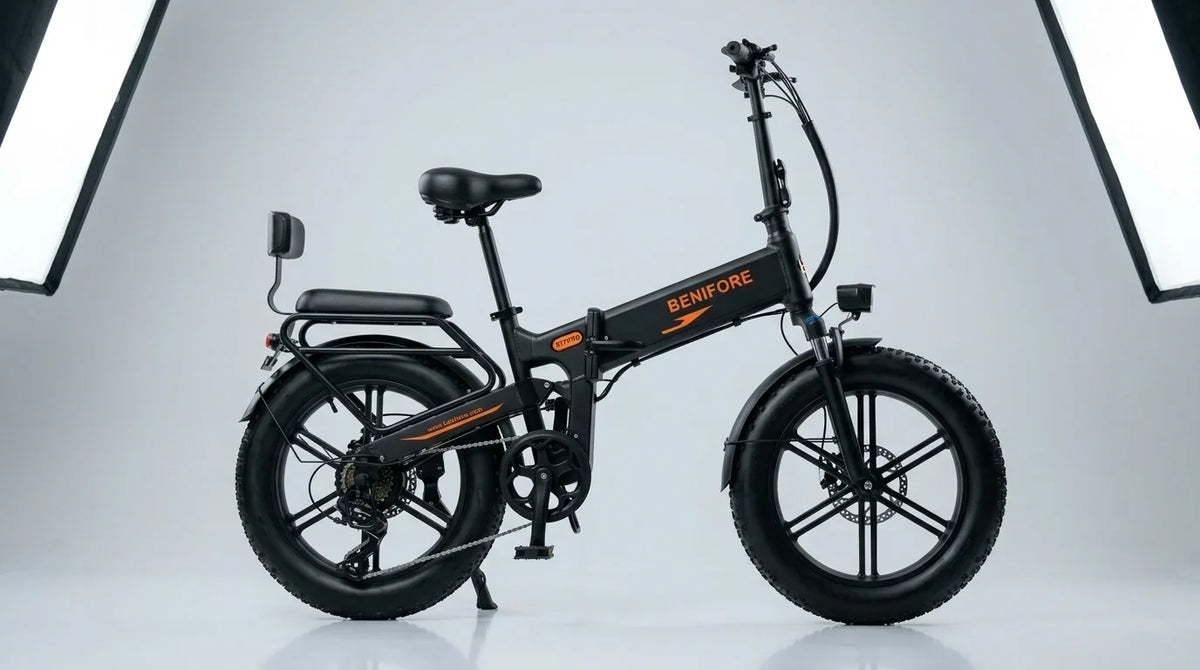
The Benifore X1T PRO has a load capacity of up to 400 lbs, so total system weight should be considered when evaluating braking and riding conditions.
This does not mean that maximum load should automatically be used in every situation.
Instead, it highlights why riders should consider the bike's complete configuration.
A heavier system generally requires more energy to slow down, especially from higher speeds.
That makes proper brake setup, tire condition, riding technique, and speed management increasingly important.
Does Motor Power Affect Braking Requirements?
Motor power does not directly determine braking performance.
However, a more powerful eBike may be capable of stronger acceleration or higher sustained speeds.
That changes how much energy the braking system may need to manage.
The Benifore X1T PRO uses a 1500W peak motor and can reach a 35 MPH top speed.
These specifications make braking considerations more important than they would be on a low-speed recreational bicycle.
The important principle is simple:
More performance capability means the entire bike needs to be designed as a balanced system.
Motor, battery, tires, frame, suspension, drivetrain, wheels, and brakes all need to work together.
Why Brake Feel Matters
Two bikes can have similar advertised stopping performance but feel completely different when you squeeze the brake lever.
Brake feel can influence rider confidence.
A good brake system should allow the rider to understand how much braking force is being applied.
The lever should not feel unexpectedly vague or inconsistent.
Likewise, a brake should not feel excessively abrupt when only light braking is intended.
This is particularly important when riding in changing conditions.
For example:
- Smooth pavement
- Wet pavement
- Gravel
- Dirt
- Descending roads
- Crowded riding areas
Each environment requires slightly different control.
Hydraulic Brakes: Where They Make Sense
Hydraulic brakes can be particularly attractive for riders who prioritize braking feel and consistent performance.
They may make sense for:
- Heavier electric bikes
- Higher-performance eBikes
- Riders who frequently travel at higher speeds
- Riders who spend time on hills
- Riders carrying additional equipment
- Riders who want a more refined brake lever feel
The system does require proper maintenance.
Hydraulic brake systems use fluid, and service procedures can be more specialized than replacing a standard mechanical cable.
For riders who do not want to perform their own hydraulic maintenance, professional bicycle service may be appropriate.
Mechanical Brakes: Where They Make Sense
Mechanical disc brakes remain a practical choice for many riders.
They may be attractive to people who prioritize:
- Simple mechanical construction
- Familiar servicing
- Easy cable replacement
- Lower system complexity
- Basic everyday riding
For riders who mainly use an eBike on relatively flat roads and moderate speeds, mechanical brakes can be entirely practical when properly designed and maintained.
The important thing is to evaluate the complete brake system rather than assuming that one technology is always superior.
Which Brake Type Is Better?
There is no universal answer.
A better question is:
Which brake system is better for your bike and your riding conditions?
For a lightweight, lower-speed bicycle, mechanical disc brakes may provide everything a rider needs.
For a heavier, performance-oriented electric bike that may be ridden at higher speeds or on varied terrain, hydraulic brakes can offer advantages in feel and control.
The decision should consider:
- Total bike weight
- Rider weight
- Cargo
- Maximum speed
- Terrain
- Riding frequency
- Maintenance preference
- Budget
- Brake rotor size
- Brake pad design
Brake Pads Are Just as Important
The brake caliper and rotor get most of the attention, but brake pads are equally important.
Brake pads are the components that physically contact the rotor.
Different pad compounds can influence:
- Initial braking feel
- Noise
- Durability
- Heat resistance
- Wet-weather behavior
- Rotor wear
If your brakes feel different from when the bike was new, the pads may need inspection.
A rider should not assume that a change in braking performance is simply "normal."
How to Know When Your eBike Brakes Need Attention
Regular inspection is important.
Pay attention to:
Unusual Noise
Some brake noise can occur under certain conditions, but sudden or persistent noise should be investigated.
Reduced Braking Response
If the bike requires significantly more lever input than before, inspect the system.
Lever Feel Changes
A brake lever that suddenly feels different should not be ignored.
Rotor Damage
Look for obvious warping or damage.
Pad Wear
Brake pads gradually wear as they are used.
Vibration
Unusual vibration during braking can indicate a problem that needs inspection.
If you are unsure about a brake issue, professional inspection is preferable to continuing to ride and hoping the problem disappears.
How to Improve Your Braking Technique
Even the best brake system cannot compensate for poor riding technique.
A few simple habits can improve control.
Look Ahead
Avoid waiting until the last second to brake.
Looking farther ahead gives you more time to reduce speed gradually.
Use Both Brakes
In normal riding, both front and rear brakes can contribute to controlled stopping.
However, braking technique should be adapted to the riding surface.
Brake Before Tight Corners
Reducing speed before entering a corner generally gives you more control than braking aggressively while turning.
Leave More Distance at Higher Speeds
Higher speed means more distance may be required to slow down.
Adjust for Surface Conditions
Wet, loose, sandy, or uneven surfaces can change available traction.
Ride accordingly.
Brake Maintenance Checklist
A simple maintenance routine can help identify problems early.
Before Longer Rides
Check:
- Brake lever operation
- Pad condition
- Rotor condition
- Wheel attachment
- Unusual noises
- Visible damage
During Regular Use
Pay attention to changes in:
- Lever feel
- Stopping response
- Noise
- Vibration
- Rotor appearance
After Rough Riding
If you have ridden on gravel, dirt, or rough outdoor surfaces, inspect the braking components for contamination or debris.
Small problems are generally easier to address before they become major problems.
Why Brakes Should Be Considered With the Entire eBike
A common mistake is comparing individual specifications in isolation.
For example:
"Which bike has the most powerful motor?"
or
"Which bike has the largest battery?"
These questions can be useful, but they do not tell you whether the bike is well balanced.
A capable electric bike needs multiple systems working together.
The Benifore X1T PRO combines:
- 1500W peak motor
- 90Nm torque
- 48V 20Ah battery
- Up to 65 miles of range
- 35 MPH top speed
- 20×4.0 fat tires
- Full suspension
- Up to 400 lbs load capacity
The purpose of looking at these specifications together is to understand the complete riding system.
A high-performance motor without appropriate control would not create a good riding experience.
Likewise, large tires, a large battery, and suspension cannot replace a properly maintained braking system.
Performance is ultimately about balance.
Frequently Asked Questions
Are hydraulic brakes better than mechanical brakes on an eBike?
Not in every situation. Hydraulic brakes generally offer a different lever feel and efficient force transfer, while mechanical brakes can be simpler to service. The right choice depends on the bike and riding conditions.
Do heavier eBikes need better brakes?
A heavier combined bike and rider system has more mass to slow down. Brake selection should therefore be matched to the bike's weight, intended speed, and use.
Does a 1500W eBike need hydraulic brakes?
Motor wattage alone does not determine brake requirements. Total weight, speed, terrain, brake system design, and manufacturer specifications all matter.
How often should eBike brakes be checked?
Check them regularly, especially before long rides. Inspect them sooner if braking feel, noise, vibration, or stopping performance changes.
Are bigger brake rotors always better?
No. Rotor size should match the bike's braking system and manufacturer specifications. Oversized components are not automatically appropriate.
Can I upgrade mechanical brakes to hydraulic brakes?
Some eBikes may support such an upgrade, but compatibility must be checked carefully. Frame and fork mounts, rotor size, wheel configuration, lever compatibility, and cable routing all need to be considered.
Final Thoughts
Choosing an electric bike is about more than finding the biggest motor or the longest advertised range.
The braking system is one of the components that connects the bike's performance to the rider's control.
Hydraulic and mechanical disc brakes can both be effective when properly designed and maintained, but they provide different characteristics and require different maintenance approaches.
When comparing an eBike, consider the complete system:
Motor → Battery → Tires → Suspension → Brakes → Frame → Rider → Terrain
That approach provides a much more realistic picture of what the bike is actually designed to do.
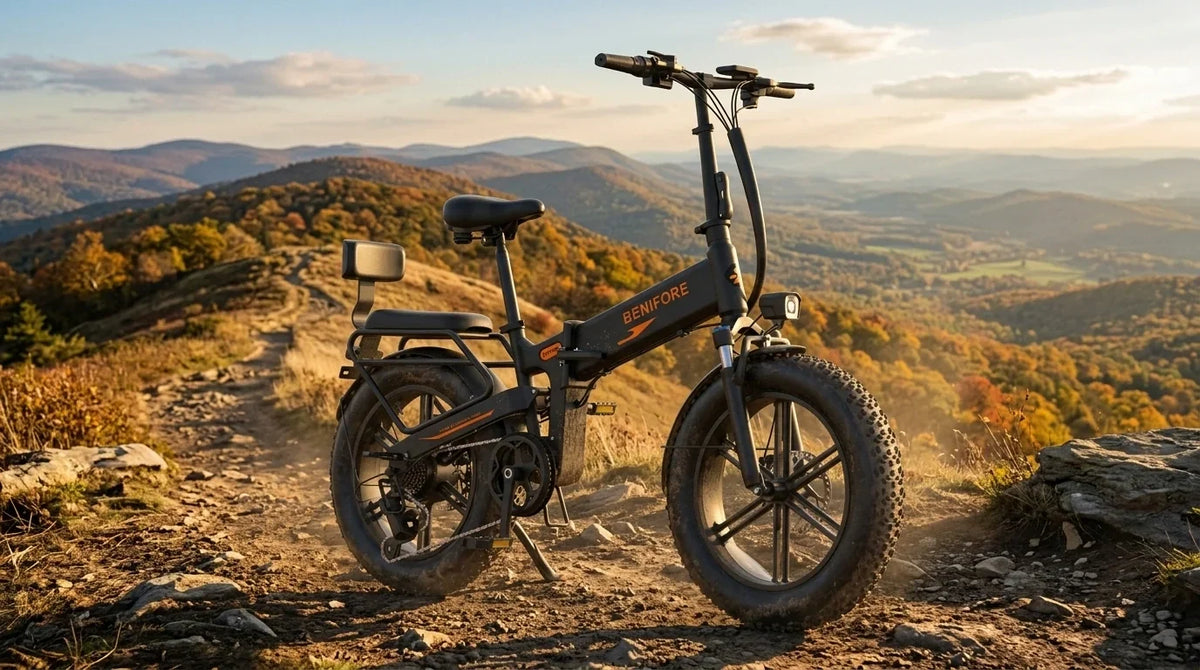
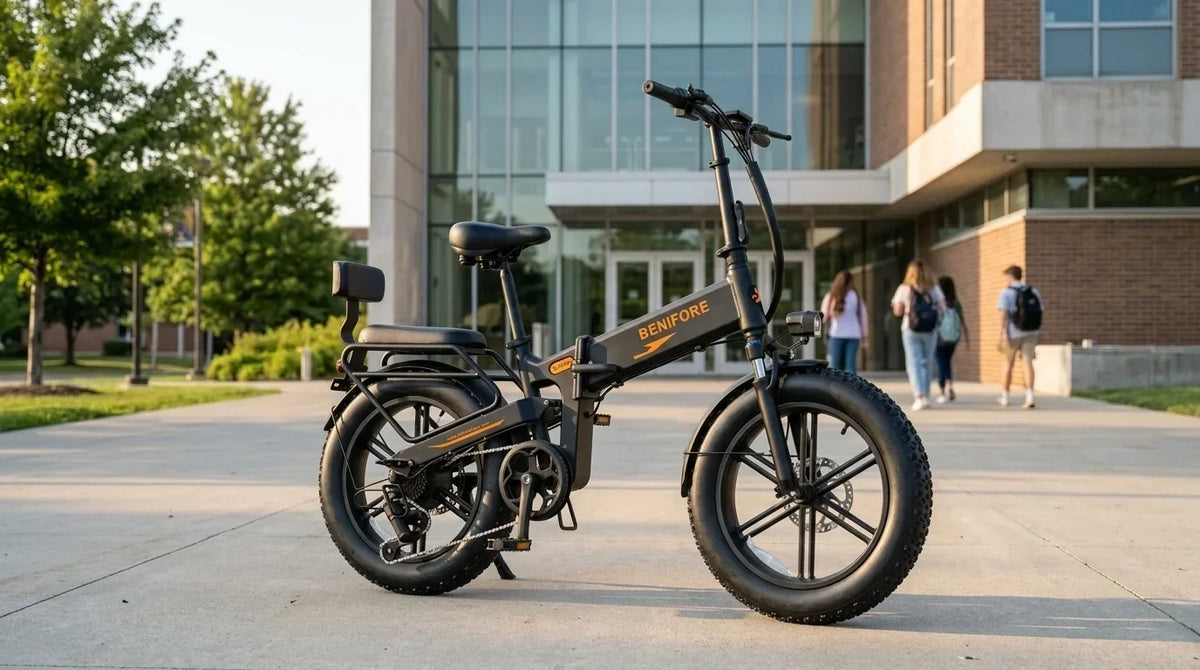
For riders considering a capable electric bike such as the Benifore X1T PRO, understanding braking systems can also help put specifications such as 1500W peak power, 90Nm torque, 35 MPH top speed, 20×4.0 tires, full suspension, and up to 400 lbs load capacity into the proper context.
A good electric bike is not defined by one impressive number.
It is defined by how well all of its systems work together when you are actually riding.
Share: