




Electric Bike Brakes Guide: How to Choose Safe and Reliable Braking Systems
When people shop for an electric bike, they often focus on the specifications that are easiest to understand:
- Motor power
- Battery capacity
- Top speed
- Riding range
- Tire size
However, one of the most important systems on an electric bike is often overlooked: the braking system.
A powerful electric bike can accelerate faster, travel longer distances, and reach higher speeds than a traditional bicycle. But with more power comes a greater need for reliable control.
A quality braking system affects:
- Safety
- Riding confidence
- Stopping distance
- Control on different terrain
- Overall riding experience
Whether you ride through city streets, hills, gravel roads, or outdoor trails, understanding how electric bike brakes work can help you choose a safer and better-performing eBike.
This guide explains the different types of electric bike brakes, how they compare, what features matter most, and why braking performance is especially important for powerful electric bikes.
Why Electric Bike Brakes Matter More Than Traditional Bicycle Brakes
Electric bikes are different from traditional bicycles in several important ways.
Most eBikes are:
- Heavier
- Faster
- Equipped with electric motors
- Designed for longer-distance riding
A regular bicycle may weigh around 25-35 pounds, while many electric bikes weigh 60-80+ pounds because of:
- Battery systems
- Motors
- Stronger frames
- Larger tires
When a heavier bike travels at higher speeds, more force is required to slow it down.
This means the braking system becomes a key part of the overall riding experience.
A good electric bike should provide:
- Smooth braking
- Predictable stopping power
- Reliable performance in different weather
- Consistent control during longer rides
Power without control does not create a better riding experience.
Common Types of Electric Bike Brakes
Electric bikes typically use several different braking systems.
The most common options include:
- Mechanical disc brakes
- Hydraulic disc brakes
- Rim brakes
Among modern performance eBikes, disc brakes have become the preferred choice because they provide better stopping performance and durability.
Mechanical Disc Brakes Explained
Mechanical disc brakes use a cable system to activate the brake pads.
When the rider pulls the brake lever:
- The cable moves
- The brake caliper presses pads against the rotor
- Friction slows the wheel
Advantages of Mechanical Disc Brakes
Mechanical disc brakes offer:
Easy Maintenance
Because they use cables, many riders find them simple to adjust and repair.
Lower Cost
They are usually more affordable compared with hydraulic systems.
Reliable Performance
For casual riding, commuting, and moderate-speed eBikes, mechanical disc brakes can provide sufficient stopping power.
Limitations
Mechanical systems may require:
- More frequent adjustments
- Cable tension maintenance
- Stronger hand pressure
For heavier or faster electric bikes, many riders prefer hydraulic systems.
Hydraulic Disc Brakes Explained
Hydraulic disc brakes use fluid pressure instead of cables.
When the rider pulls the brake lever:
- Hydraulic fluid transfers pressure
- Brake pistons push pads against the rotor
- The wheel slows smoothly
Advantages of Hydraulic Disc Brakes
Stronger Braking Performance
Hydraulic systems generally provide more powerful and consistent braking.
This is especially helpful for:
- Higher-speed riding
- Heavier riders
- Steep hills
- Off-road terrain
Better Control
Hydraulic brakes usually provide smoother modulation.
Instead of feeling like:
"Brake or no brake"
riders can apply more precise braking force.
Less Hand Fatigue
Because hydraulic systems require less effort from the rider, they can feel more comfortable during long rides.
What Makes a Good Electric Bike Braking System?
Choosing brakes is not only about the brake type.
Several factors influence braking performance.
1. Rotor Size
The rotor is the metal disc attached to the wheel.
Larger rotors usually provide:
- More braking power
- Better heat management
- Improved performance during long descents
For heavier electric bikes, larger rotors can help maintain consistent braking.
2. Brake Pad Quality
Brake pads create the friction needed to slow the bike.
Different materials affect:
- Stopping power
- Noise
- Durability
- Heat resistance
Higher-quality pads generally perform better during frequent riding.
3. Riding Speed
Speed is one of the biggest factors affecting braking requirements.
A bike traveling at:
- 15 MPH
- 25 MPH
- 35 MPH
does not require the same braking capability.
Higher-speed electric bikes need braking systems designed to handle greater momentum.
4. Rider Weight and Cargo
Weight affects stopping distance.
A heavier rider or additional cargo creates more momentum.
This is why riders should consider:
- Frame strength
- Tire grip
- Brake performance
as a complete system.
5. Riding Environment
Different environments create different braking needs.
City Riding
Important features:
- Smooth stopping
- Traffic control
- Frequent braking
Mountain or Hill Riding
Important features:
- Heat resistance
- Strong braking force
- Consistency
Outdoor Riding
Important features:
- Mud resistance
- Terrain control
- Reliability
Electric Bike Brakes and Fat Tires: Why They Work Together
Many adventure-style electric bikes combine:
- Fat tires
- Powerful motors
- Suspension systems
- Strong braking systems
These components work together.
Fat tires provide:
- More traction
- Better stability
- Improved grip
Suspension improves:
- Comfort
- Terrain control
Brakes provide:
- Speed management
- Safety
- Rider confidence
A balanced electric bike needs all three.
Why Braking Is Especially Important for 35 MPH Electric Bikes
Higher-speed electric bikes provide more excitement and flexibility.
However, higher speed also increases the importance of control.
For a performance electric bike, riders should consider:
- Motor power
- Tire traction
- Suspension
- Braking capability
A bike designed for higher speeds should provide confidence not only when accelerating but also when slowing down.
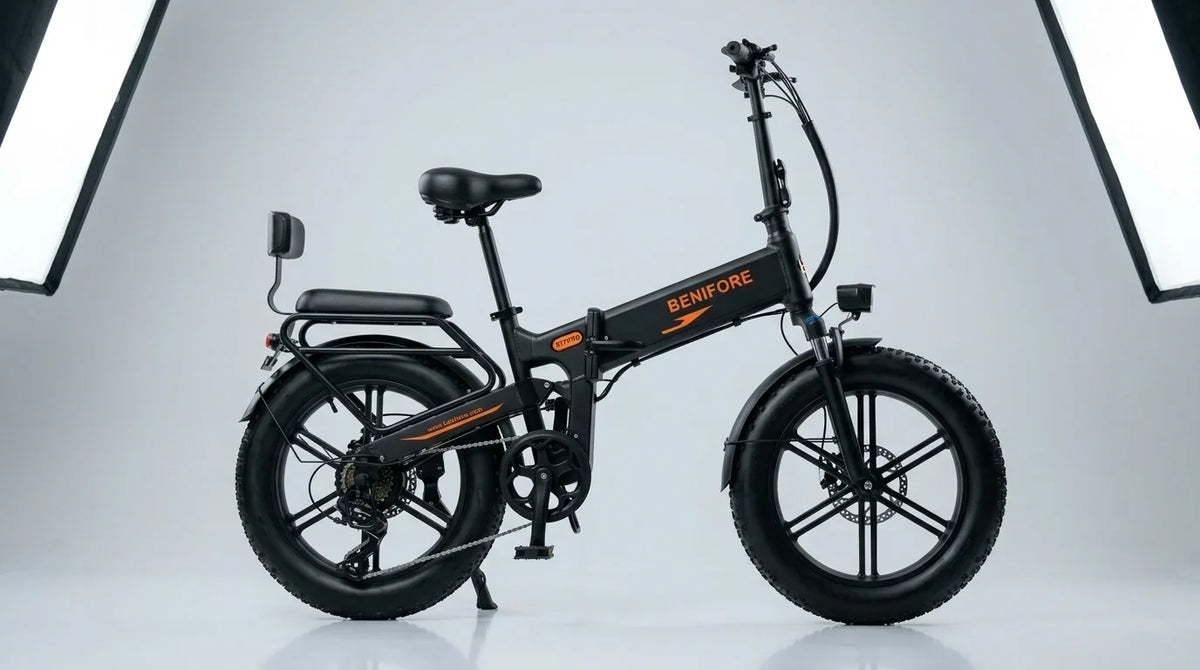
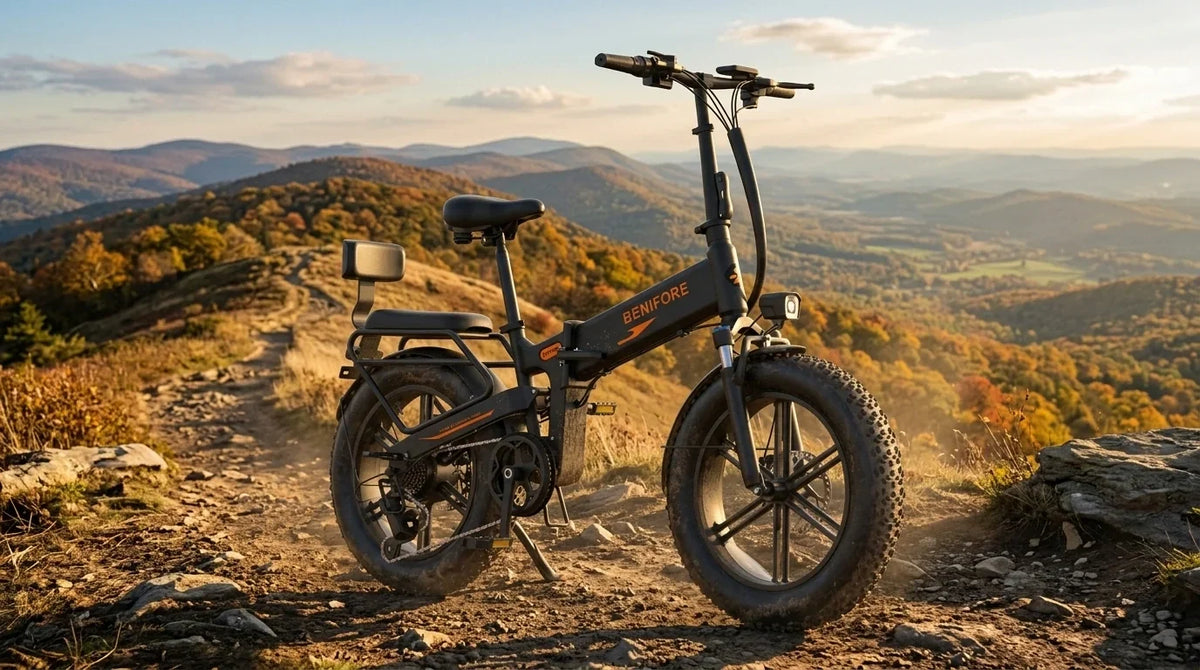
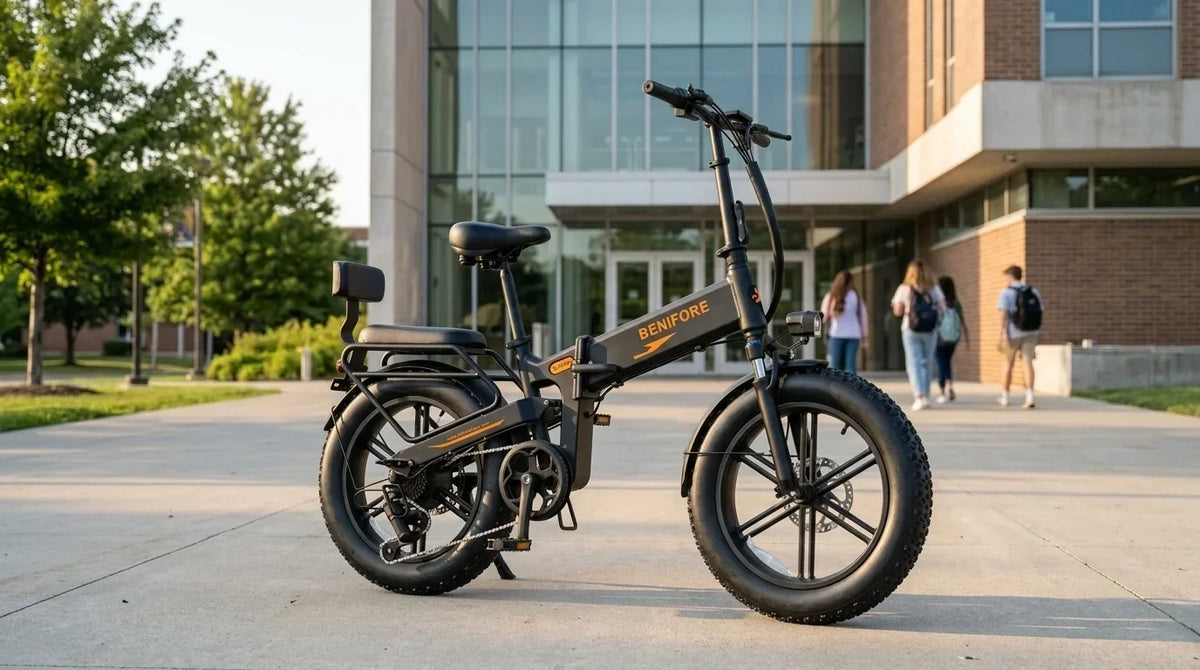
How Benifore X1T PRO Balances Power and Control
The Benifore X1T PRO is designed for riders who want a combination of performance, comfort, and everyday usability.
Its performance-focused configuration includes:
- 1500W peak motor
- 85-90Nm torque
- 35 MPH top speed
- 48V 20Ah battery
- Up to 65 miles range
- 20×4.0 fat tires
- Full suspension
- Up to 400 lbs load capacity
A powerful electric bike is not only about acceleration.
A complete riding experience requires:
- Stable handling
- Comfortable suspension
- Strong traction
- Reliable braking performance
These systems work together to create better confidence during commuting, outdoor riding, and weekend adventures.
How to Maintain Electric Bike Brakes
Regular maintenance helps keep braking performance consistent.
Check Brake Pads
Inspect pads regularly for:
- Excessive wear
- Reduced braking power
- Unusual sounds
Keep Rotors Clean
Avoid:
- Oil contamination
- Dirt buildup
- Excessive moisture
Check Brake Response
Pay attention to:
- Soft brake levers
- Longer stopping distance
- Unusual noises
Professional Inspection
For riders who use their eBike frequently, periodic inspection helps maintain long-term reliability.
Final Thoughts: Brakes Are a Key Part of a Better Electric Bike
When choosing an electric bike, many buyers look first at speed, range, and motor power.
However, the best riding experience comes from a complete system.
A quality electric bike should provide:
- Enough power
- Comfortable suspension
- Reliable tires
- Strong braking control
Brakes are not just a safety component.
They are an important part of rider confidence.
For commuters, outdoor riders, and anyone looking for a capable electric bike, understanding braking systems helps make a smarter purchase decision.
Share: