




When people compare electric bikes, they usually focus on three numbers:
- range
- top speed
- motor power
But in real-world riding, these specs don’t work separately.
They interact with each other—and that interaction is what actually defines how the bike feels on the road.
Why e-bike specs can be misleading
On paper, two electric bikes can look almost identical:
- same battery size
- same motor wattage
- same advertised top speed
But in real use, they can feel completely different.
That’s because performance is not about individual numbers—it’s about how efficiently the system works together under real riding conditions.
Range is always situational
Range is usually advertised as a single number, such as 60 or 80 miles.
In reality, it changes constantly based on:
- riding speed
- terrain type
- rider weight and cargo
- assist level
- wind resistance and tire pressure
Higher speeds alone can significantly reduce total range, even with the same battery.
Speed only matters when it is usable
Top speed is often the most eye-catching spec, but not always the most practical.
As speed increases:
- braking distance becomes longer
- road surface quality matters more
- stability becomes more important than acceleration
- rider reaction time becomes critical
This is why speed without control or stability systems has limited real-world value.
Power is not just wattage
Motor power (such as 750W or 1500W) is often misunderstood.
Higher wattage helps with:
- hill climbing
- acceleration under load
- maintaining speed on uneven roads
But without proper torque delivery and traction, raw power does not always translate into better riding performance.
How a balanced system performs in real riding
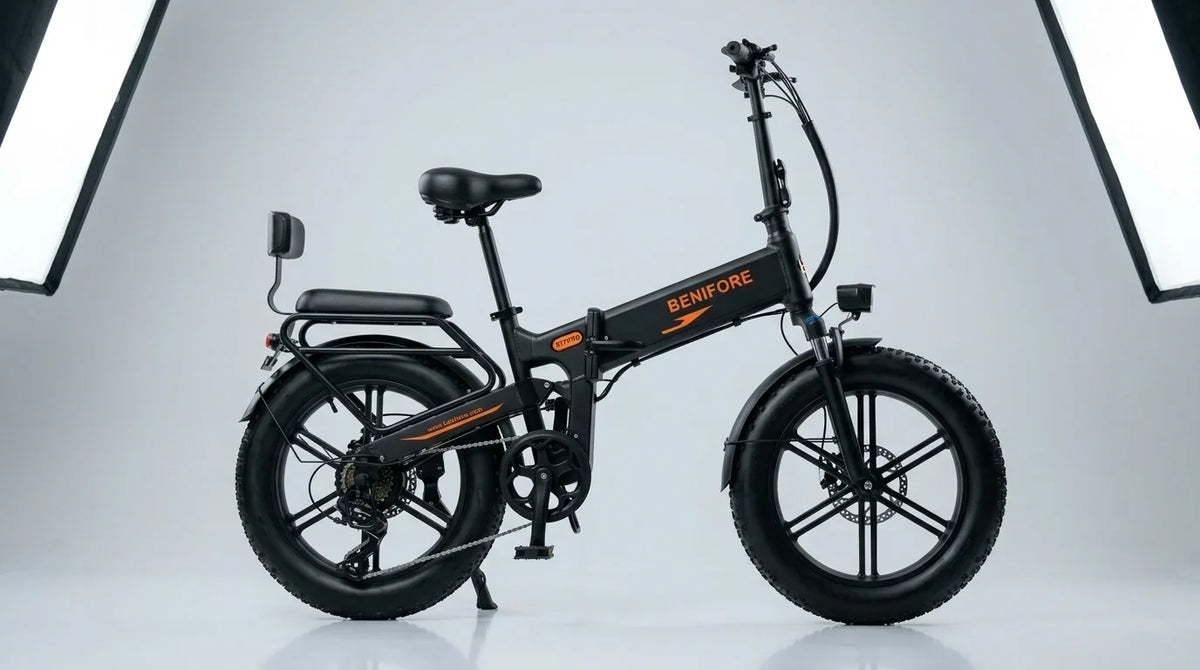
The Benifore X1T PRO integrates multiple components as a system:
- 1500W peak motor for strong output when needed
- 90Nm torque for controlled acceleration
- 48V 20Ah battery for extended riding range
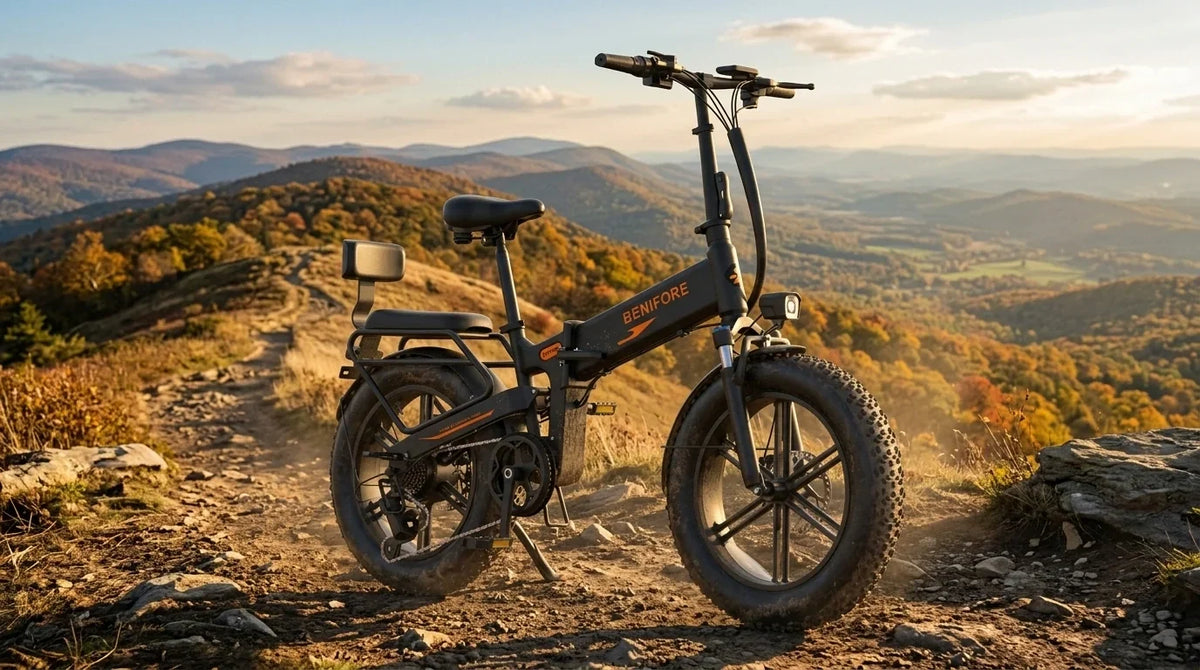
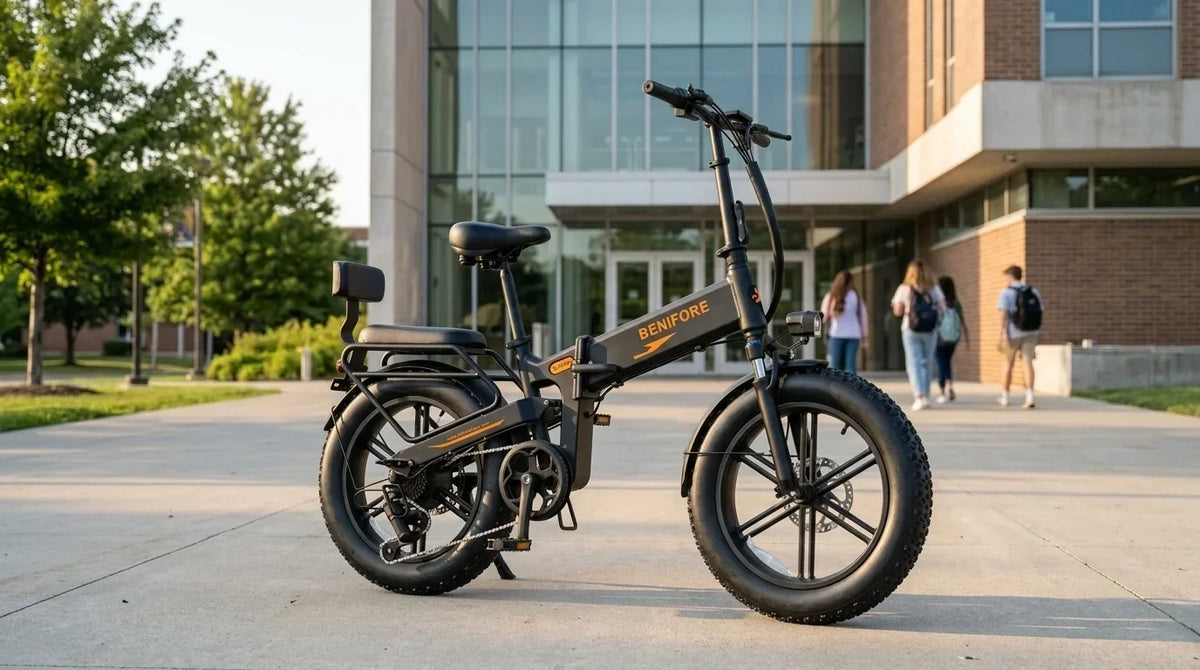
- fat tires and full suspension for stability and comfort
The focus is not on maximizing a single spec, but on balancing power, control, and efficiency.
What actually matters in real use
In real-world riding, performance is defined by interaction, not isolated numbers.
- speed affects range
- power requires stability systems
- battery capacity only matters when energy is used efficiently
This is why spec sheets often fail to predict real riding experience.
Final takeaway
Electric bike performance cannot be understood through a single metric.
What matters more is how range, speed, and power behave together in real conditions.
Instead of asking “how powerful is it?”, a more practical question in 2026 is:
👉 how does it perform when everything works at the same time—on real roads, under real conditions, with real riders?
That is where the real difference between bikes actually shows up.
Share: