




In the United States, rising transportation costs have become one of the most important financial concerns for daily commuters in 2026. Fuel prices, insurance fees, parking costs, and vehicle maintenance expenses continue to increase year over year.
As a result, many riders are now comparing electric bikes directly with cars as a primary transportation solution.
According to publicly available transportation trend summaries and mobility research insights referenced in industry reports such as the U.S. Department of Transportation and general automotive cost analysis publications, personal mobility alternatives like electric bikes are becoming significantly more cost-efficient over time.
Why People Are Comparing Electric Bikes and Cars
The comparison between electric bikes and cars is no longer theoretical. It is driven by real economic pressure and lifestyle changes.
Key reasons include:
- Rising fuel costs across major US cities
- Increasing insurance premiums for vehicles
- High maintenance and repair expenses
- Urban congestion and parking limitations
- Growing interest in sustainable transportation
These factors make electric bikes a practical alternative for short to medium distance travel.
Real-World Cost Difference Breakdown
Unlike cars, electric bikes have significantly lower operational costs.
Typical cost factors for cars include:
- Monthly fuel expenses
- Insurance payments
- Maintenance and servicing
- Parking fees in urban areas
In contrast, electric bikes require:
- Minimal electricity cost for charging
- Low maintenance requirements
- No fuel dependency
- No insurance obligations in most states
This creates a long-term cost advantage for daily commuting users.
Real Usage Scenarios in the United States
Electric bikes are increasingly replacing cars in specific use cases such as:
- Daily commuting within 5–20 miles
- Grocery and local errands
- Short urban transportation routes
- Suburban mobility and recreational travel
These scenarios highlight where electric bikes provide the highest efficiency compared to traditional vehicles.
Industry Perspective on Mobility Shift
According to widely referenced transportation research summaries and mobility trend discussions, urban mobility in the United States is shifting toward smaller, more efficient transportation systems.
This shift is driven by:
- Increased urban population density
- Growth of micro-mobility adoption
- Environmental awareness trends
- Technological improvements in battery systems
Public figures such as Elon Musk have frequently highlighted the importance of energy efficiency in transportation systems, reinforcing the global focus on more sustainable mobility solutions.
Balanced Electric Bike Solution Example
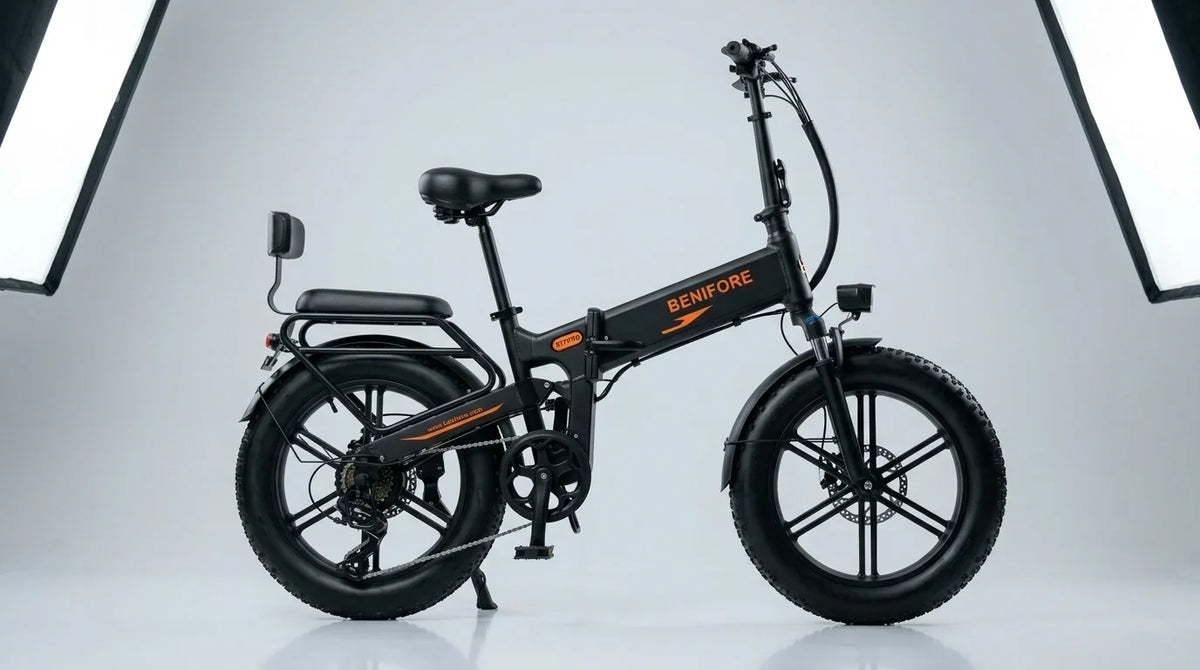
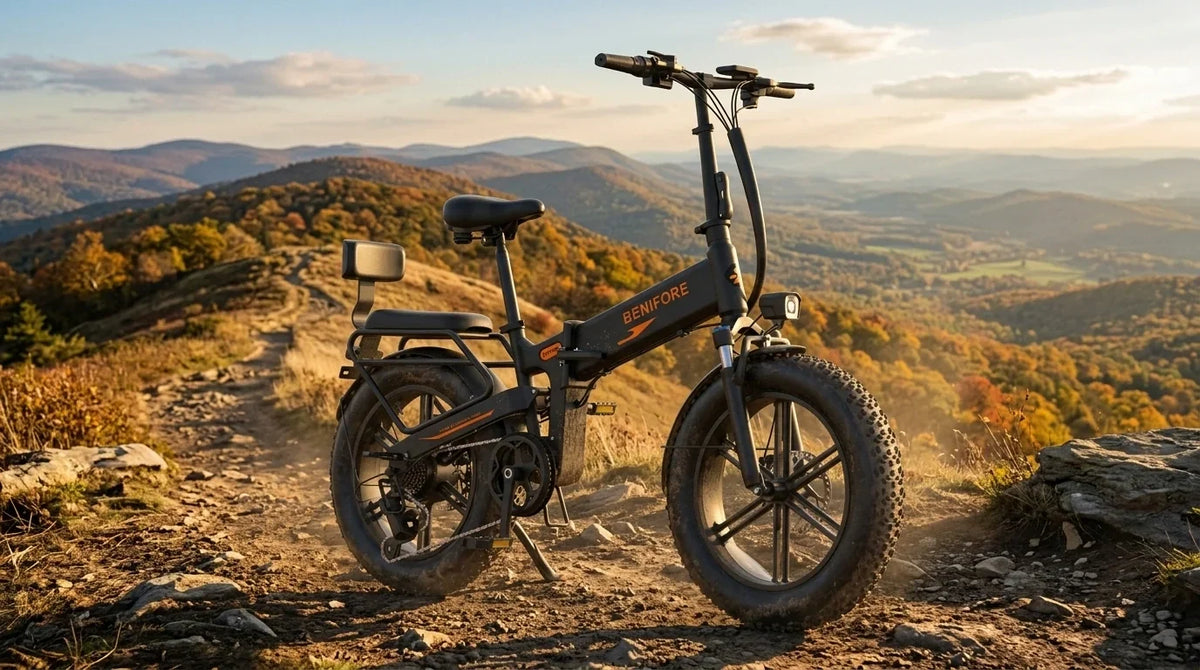
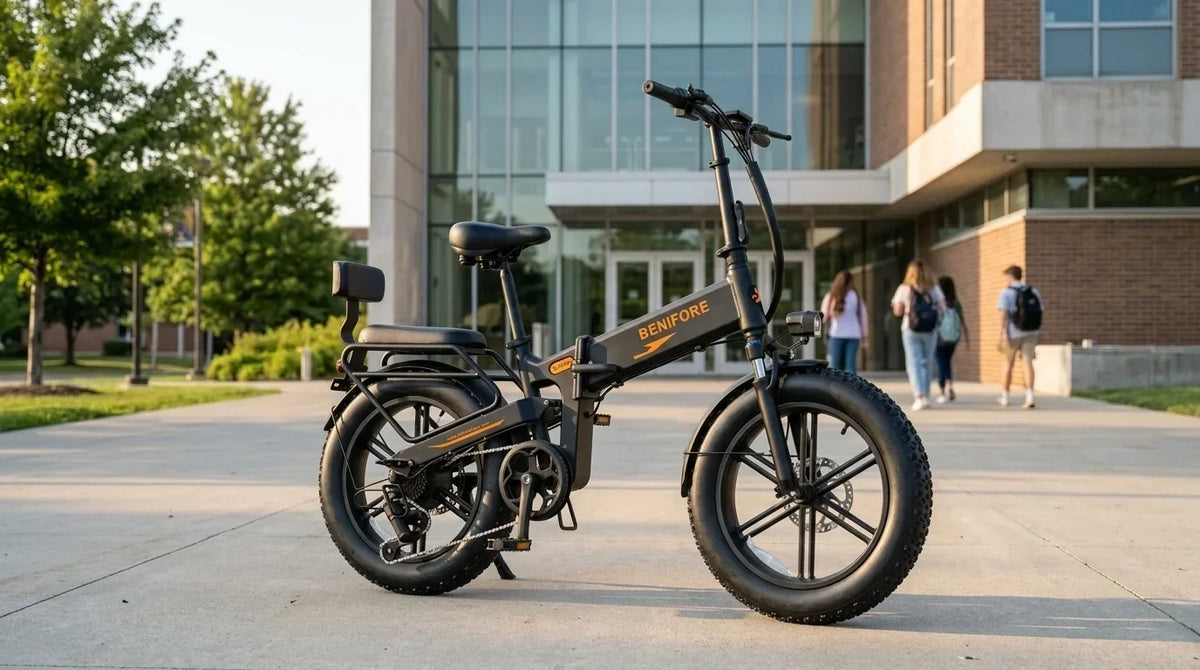
Electric bikes such as Benifore X1T PRO are designed to fit into this new mobility trend by offering a practical alternative to short-distance car usage.
Key advantages include:
- Reduced daily transportation cost
- Flexible route usage in urban environments
- Lower long-term maintenance expenses
- Ability to bypass traffic congestion
This makes them suitable for riders looking to reduce transportation expenses without sacrificing mobility.
Final Insight
The comparison between electric bikes and cars is no longer just about convenience—it is increasingly about long-term financial efficiency.
As 2026 progresses, more riders in the United States are shifting toward electric bikes as a practical solution for reducing transportation costs while maintaining mobility flexibility.
Share: