




Suspension is one of the most misunderstood aspects of electric bike design.
Many buyers assume it is a secondary feature—something that only affects comfort.
In reality, suspension directly influences control, fatigue, and even perceived power.
Front suspension: the entry standard
Front suspension systems are common in lower-cost e-bikes.
They mainly help with:
- small bumps
- minor road vibration
- light trail riding
However, they do not address rear impact or load distribution.
This becomes noticeable during longer rides or uneven terrain.
Full suspension: a system-level upgrade
Full suspension is not just about comfort.
It changes how the entire bike interacts with the road.
Benefits include:
- improved traction on uneven surfaces
- reduced rider fatigue
- better stability at higher speeds
- smoother load handling
It is especially important when the bike is used daily, not occasionally.
The overlooked factor: control under load
When carrying additional weight (backpack, cargo, groceries), front-only suspension becomes less effective.
The rear end of the bike absorbs most of the stress, which affects:
- balance
- braking stability
- rider confidence
Full suspension distributes that impact more evenly.
Example of a full suspension utility build
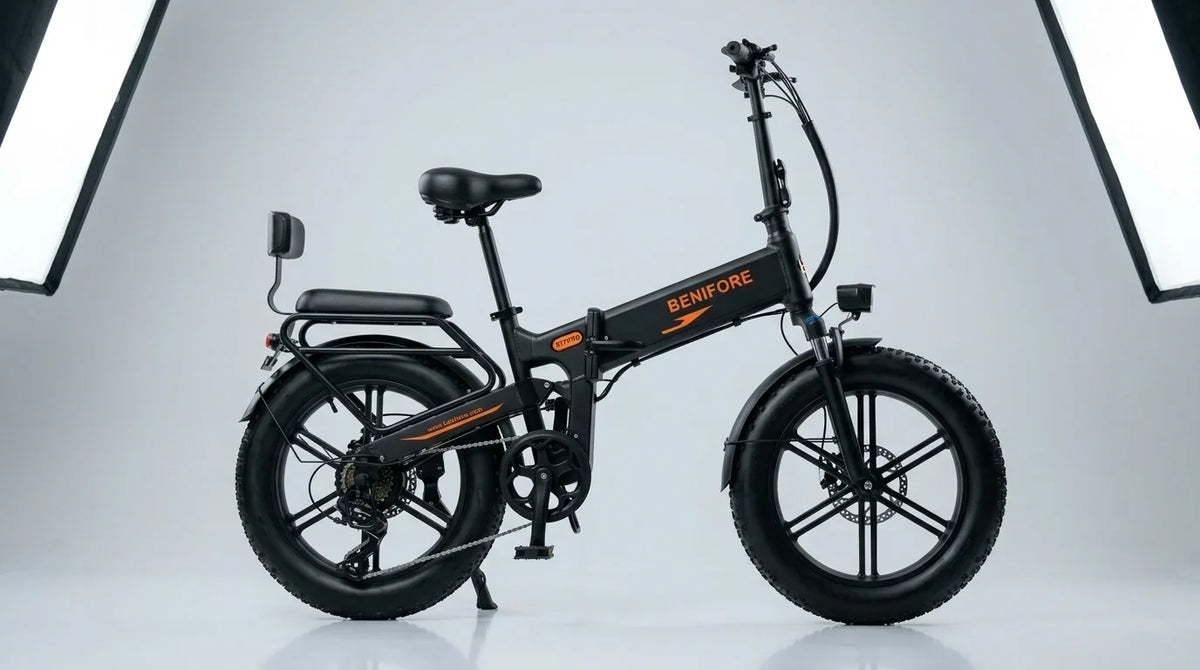
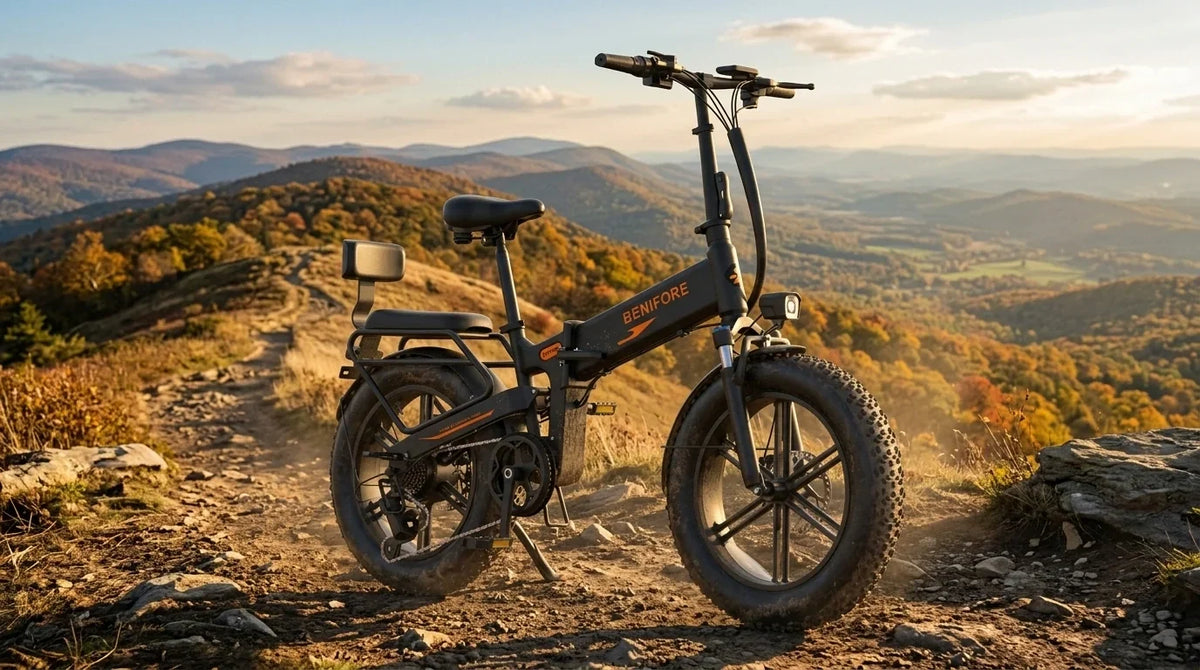
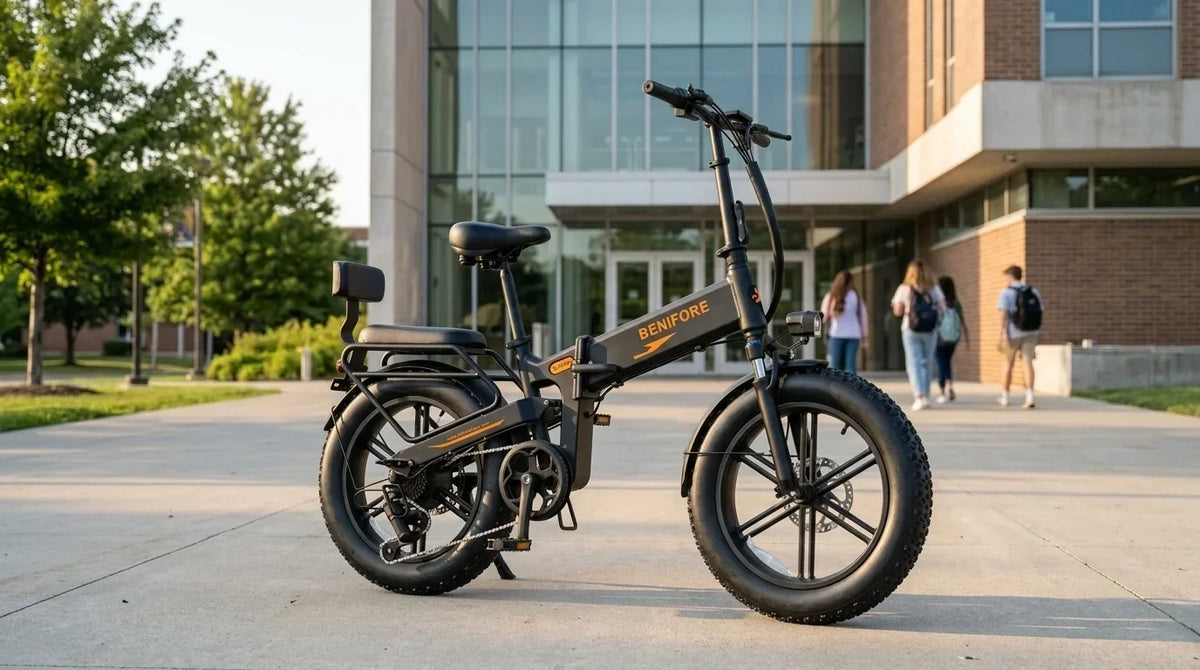
Benifore X1T PRO integrates a full suspension system combined with fat tires, designed for mixed terrain and daily commuting use.
This setup is aimed at:
- urban roads
- uneven pavement
- longer ride durations
- cargo-based riding scenarios
Final takeaway
Front suspension is sufficient for casual riding.
But for daily transportation use, full suspension is not a luxury—it is a functional advantage.
Share: