




One of the most common questions e-bike buyers ask in 2026 is simple:
👉 How far can a 48V 20Ah electric bike actually go?
On paper, the numbers often look impressive—60, 70, sometimes even more miles per charge.
But in real-world riding, range is never that predictable.
The truth is: advertised range and real range are two very different things.
This guide breaks down what actually affects battery performance, and what you can realistically expect from a 48V 20Ah e-bike in everyday use.
What does a 48V 20Ah battery actually mean?
Before talking about range, it helps to understand what you’re working with.
A 48V 20Ah battery stores about:
👉 960Wh (watt-hours) of energy
That puts it in the mid-to-high capacity range for modern electric bikes.
In theory, that’s enough for long-distance riding.
In practice, real-world conditions decide how far that energy actually takes you.
Why advertised range is often misleading
Most manufacturers calculate range under ideal test conditions, such as:
- Lightweight rider
- Flat terrain
- Low pedal assist level
- Steady cruising speed
- No wind or traffic stops
That’s not how people actually ride.
Real riding includes:
- Stop-and-go traffic
- Hills and bridges
- Wind resistance
- Higher speeds
- Extra cargo or backpacks
Each of these factors reduces efficiency.
Real-world range: what you can actually expect
For a typical 48V 20Ah e-bike, realistic range usually looks like this:
- 60–65 miles → very light assist, flat terrain, slow cruising
- 40–55 miles → normal commuting conditions
- 25–40 miles → high speed, hills, or heavy load riding
That’s why two riders on the same bike can report completely different results.
It’s not inconsistency—it’s usage conditions.
Speed is the biggest hidden factor
Most people underestimate how much speed affects range.
As speed increases:
- Air resistance rises significantly
- Motor output increases
- Battery drains faster
Here’s a simple breakdown:
- 15–18 MPH → maximum efficiency
- 20–28 MPH → moderate range loss
- 30+ MPH → noticeable battery drain
This is why high-performance e-bikes often sacrifice maximum range for power and speed.
Rider weight and cargo matter more than expected
Battery consumption is directly affected by load.
A heavier rider or loaded bike requires:
- More acceleration energy
- More climbing power
- More sustained output
Even a difference of 30–50 lbs can noticeably impact range in real-world riding.
Terrain can change everything
Flat roads are where e-bikes perform best.
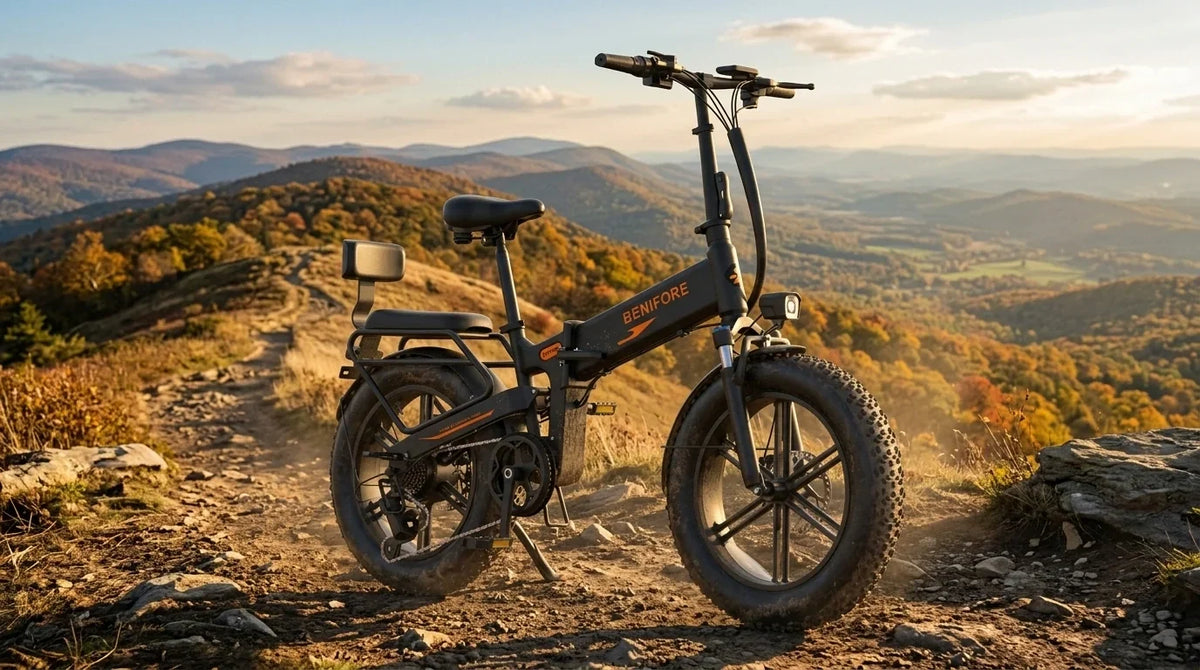
But across typical US riding environments:
- Hills increase energy demand significantly
- Rough pavement increases rolling resistance
- Mixed terrain reduces efficiency overall
This is why suburban or hilly cities usually see lower real-world range than flat urban areas.
Example: real-world performance setup
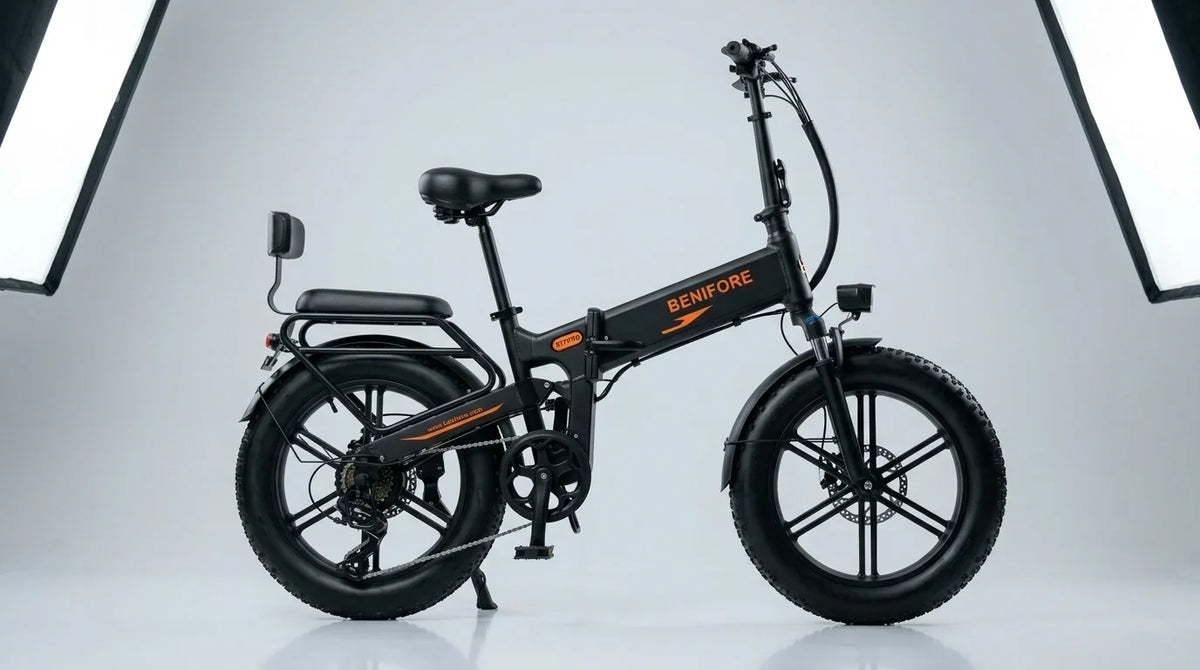
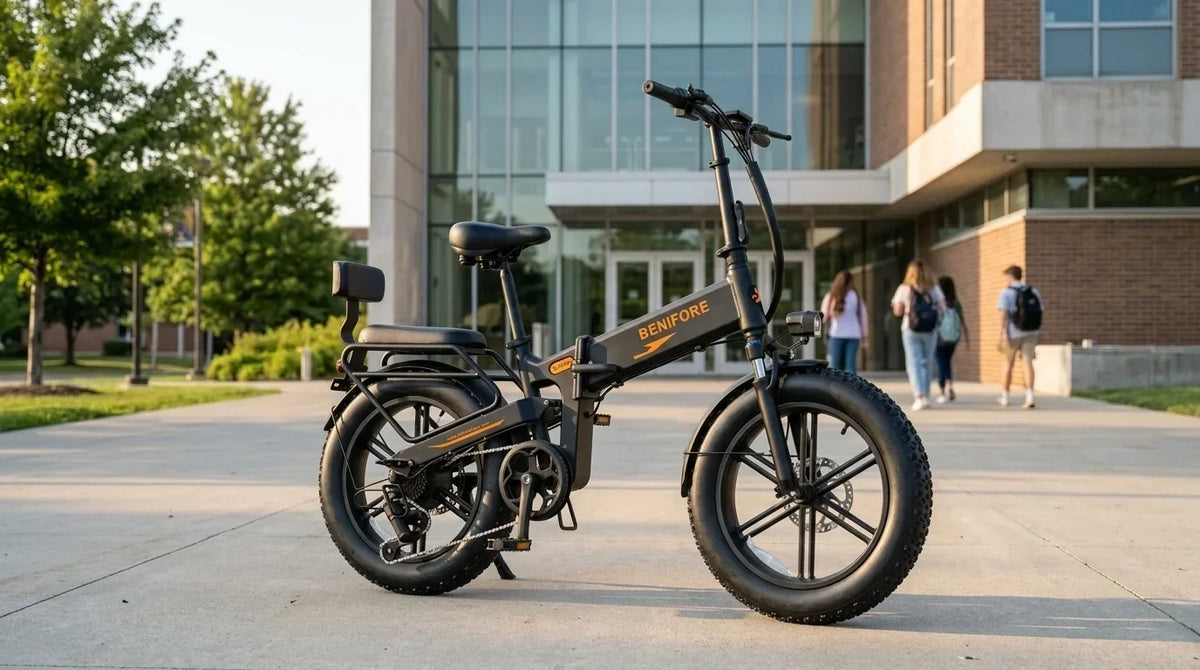
The Benifore X1T PRO uses a 48V 20Ah battery system paired with a 1500W peak motor and 90Nm torque.
This type of setup is designed for:
- Strong acceleration in traffic
- Reliable hill climbing
- Cargo and utility use
- Daily commuting across mixed terrain
In real use, range will vary depending on riding style, but the goal is not a single “perfect number”—it’s consistent performance across different conditions.
How to get more range from your e-bike
If you want to maximize battery life in real riding, these habits help a lot:
1. Use lower assist levels when possible
Higher assist drains energy much faster.
2. Avoid constant full throttle
Smooth acceleration improves efficiency significantly.
3. Keep tire pressure correct
Underinflated tires increase rolling resistance.
4. Maintain steady riding speed
Frequent stopping and accelerating wastes energy.
The real takeaway
A 48V 20Ah battery is powerful—but it doesn’t guarantee a fixed mileage number.
Real range depends on how and where you ride.
Instead of asking:
👉 “How many miles can it go?”
A better question is:
👉 “What kind of riding will I actually do every day?”
Final thoughts
In 2026, electric bikes are no longer just recreational products—they are becoming daily transportation tools.
And in real transportation use, range is not a fixed promise.
It’s a result of speed, terrain, rider behavior, and system efficiency working together.
Understanding that difference is what turns marketing numbers into real-world expectations.
Share: