




I still remember the first time I hit 30+ MPH on an electric bike.
It feels different from what you expect when you read specs on a product page. On paper, “35 MPH” sounds like just a number. But in real riding conditions here in the US—especially suburban roads and open bike lanes—it feels like a completely different level of mobility.
This is based on my own riding experience with high-power electric bikes over the past year.
My First Impression of High-Speed E-Bikes
Most people assume faster means more dangerous. But in reality, it depends more on:
- Brake quality
- Frame stability
- Tire grip
- Rider control and road awareness
I’ve personally found that a well-built electric bike at 30–35 MPH feels more stable than a cheap scooter at 20 MPH.
What Changed When I Started Riding Faster
When I first started riding faster electric bikes, I noticed a few things immediately:
- Traffic feels easier to keep up with
- Acceleration becomes more important than top speed
- Stability matters more than raw power
- You start thinking more like a driver than a cyclist
This aligns with what many transportation researchers and cycling safety discussions in the US have pointed out over the years: speed itself is not the risk—the lack of control is.
Real-World US Riding Conditions
In real American cities and suburban areas, riding conditions vary a lot:
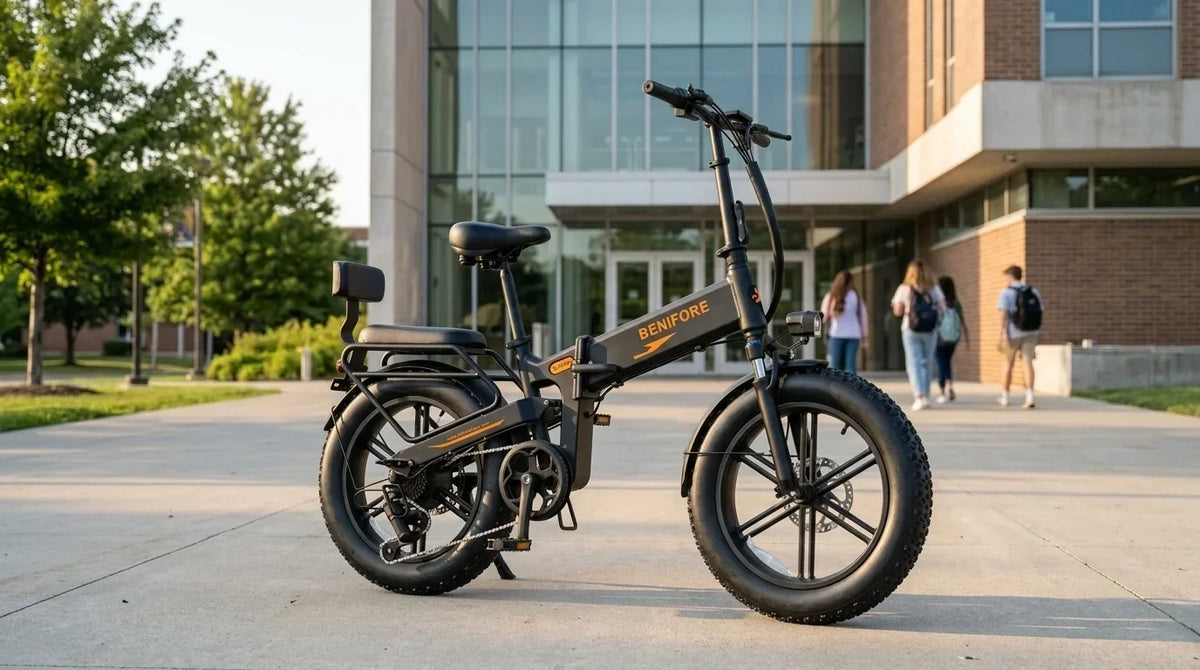
- Wide open roads in suburban neighborhoods
- Sudden stops in urban traffic
- Mixed bike lanes and shared roads
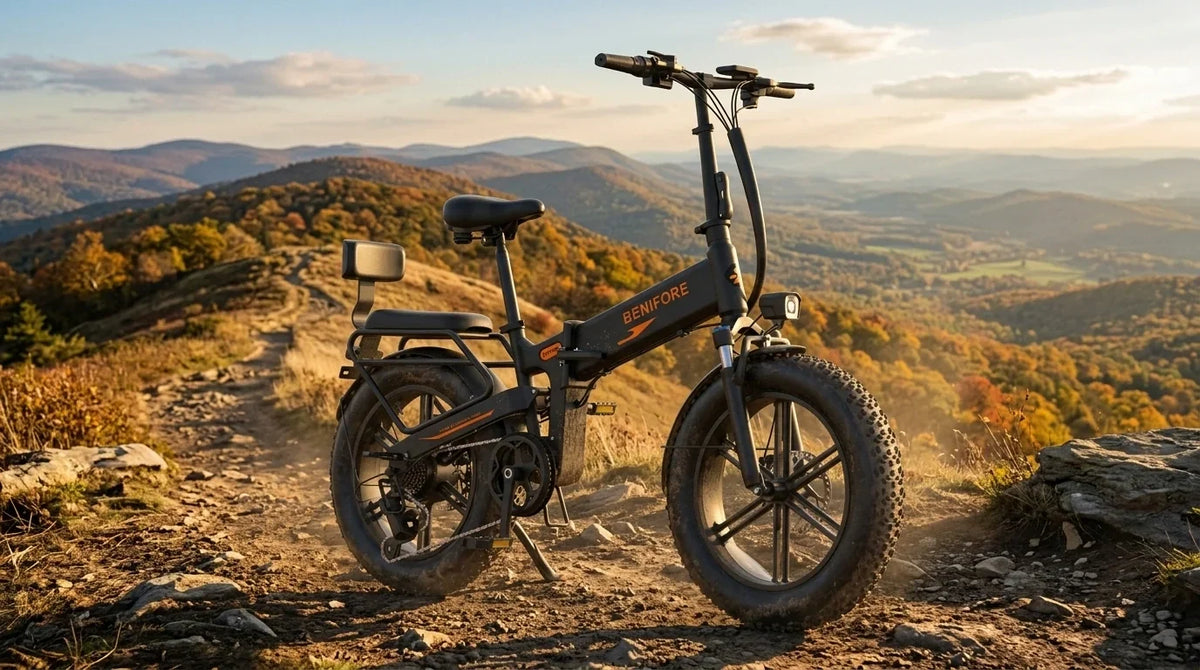
- Occasional gravel or uneven pavement
This is why speed capability alone doesn’t define safety.
Industry Perspective on E-Bike Speed
From general cycling safety discussions and transportation mobility studies in the US, there is a consistent conclusion:
Higher speed requires higher system stability, not just more motor power.
This is something also reflected in broader automotive safety principles discussed in transportation research communities and public safety literature.
Even well-known automotive safety discussions often emphasize that control systems matter more than raw speed.
My Personal Take After Long-Term Riding
After riding multiple electric bikes in different conditions, my honest opinion is:
35 MPH is not “too fast”
—if the bike is built correctly.
What actually matters is:
- Smooth throttle control
- Predictable braking distance
- Suspension stability on real roads
- Rider experience and confidence
Without these, even 20 MPH can feel unsafe.
Where Bikes Like Benifore Fit In
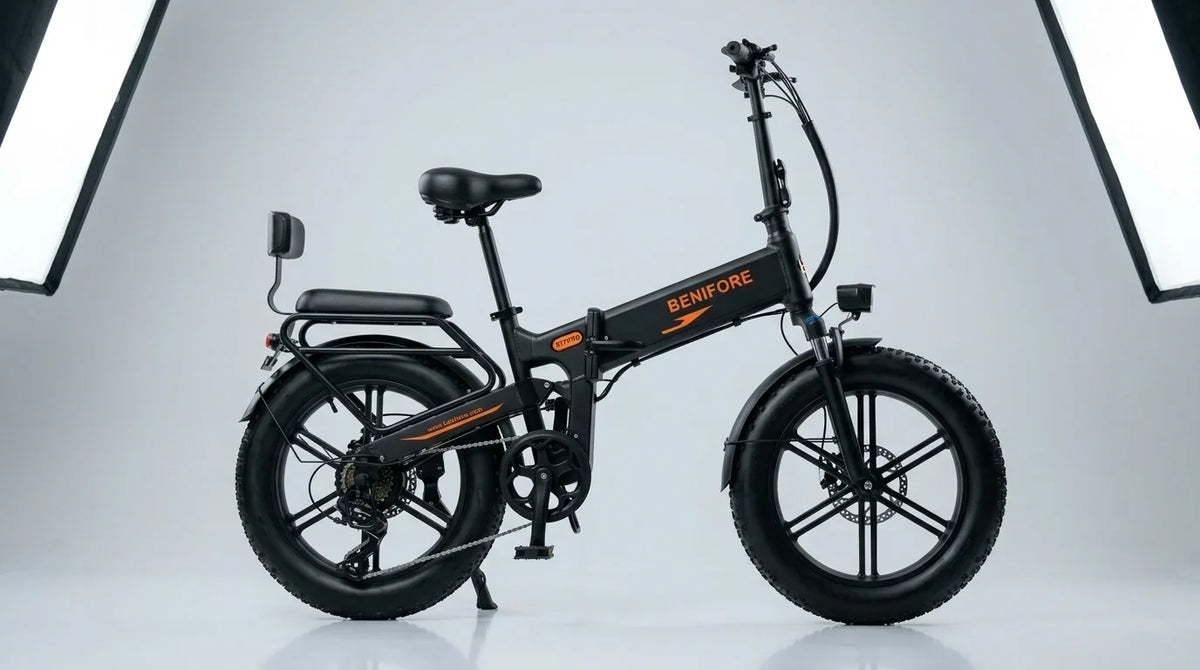
In my experience, bikes like the Benifore X1T PRO are designed for this kind of real-world riding balance.
Instead of focusing only on speed, they combine:
- Stable full suspension for uneven roads
- Strong torque for quick acceleration
- Fat tires for grip and balance
- Long-range battery for consistent commuting use
This kind of setup makes higher speed feel more controlled, not more risky.
Final Thought
After spending time riding different electric bikes in the US, I no longer think the question is “Is 35 MPH too fast?”
The real question is:
Can the bike handle the speed safely in real-world conditions?
And in most cases, the answer depends more on engineering than numbers.
Share: