




35 MPH on an electric bike sounds extreme at first.
But in 2026, it’s becoming more common in high-performance e-bikes designed for commuting, not racing.
So the real question is not “is it fast?”
It’s:
👉 “Is it usable in real city conditions?”
Let’s break it down in a more practical way.
⚡ SPEED CONTEXT (What 35 MPH actually means)
| Type | Typical Speed |
|---|---|
| Standard commuter e-bike | 15–20 MPH |
| Mid-range e-bike | 20–28 MPH |
| High-performance e-bike | 28–35 MPH |
| City car traffic (urban roads) | 25–40 MPH |
👉 Conclusion:
35 MPH is not “faster than traffic” in many US cities—it often sits inside traffic speed range.
🚦 WHEN 35 MPH FEELS TOO FAST
35 MPH becomes risky mainly in environment mismatch, not because of the number itself.
❌ High-risk environments:
- Downtown bike lanes
- Pedestrian-heavy streets
- Parking lot zones
- Shared sidewalks / mixed paths
- School areas
Why it feels unsafe:
- Sudden obstacles
- Short reaction windows
- Tight lane spacing
- Unpredictable movement
At this speed, even small mistakes become large distance errors.
🧠 WHY SOME RIDERS ACTUALLY PREFER 35 MPH
In the right environment, higher speed is not a disadvantage.
✔ Suburban roads
Cars move at 30–40 MPH → speed gap is smaller → smoother flow
✔ Longer commuting routes
Less time spent riding = less exposure to risk
✔ Traffic matching
Instead of being “slow object in traffic,” rider moves with flow
🛑 THE REAL SAFETY FACTOR (NOT SPEED)
Most people assume:
higher speed = more danger
But real-world safety depends more on:
✔ braking system quality
✔ tire grip and width
✔ suspension stability
✔ frame balance
✔ rider experience
A well-built 35 MPH e-bike can feel more stable than a poorly built 20 MPH one.
🚴 REAL-WORLD EXAMPLE (High-performance setup)
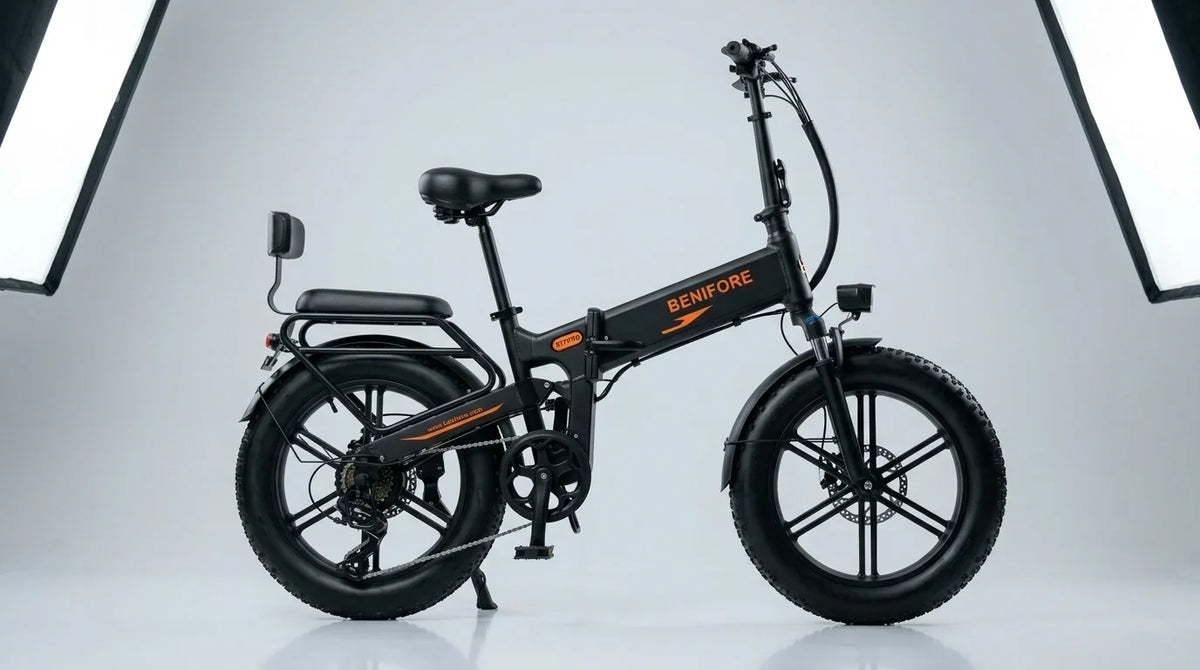
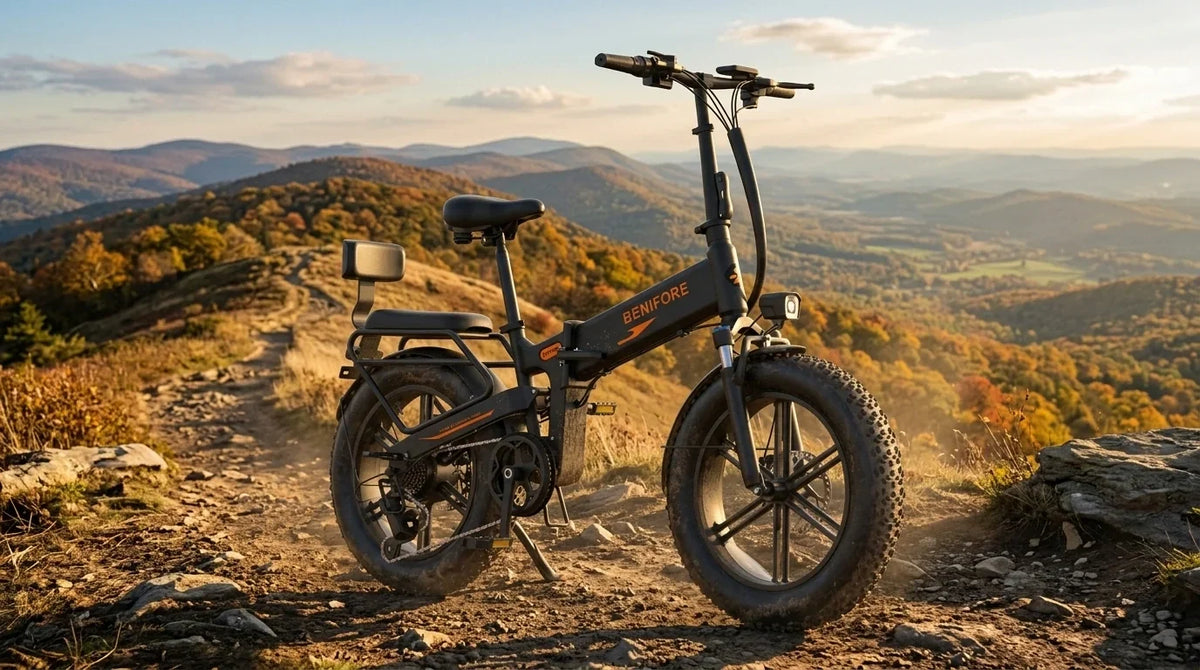
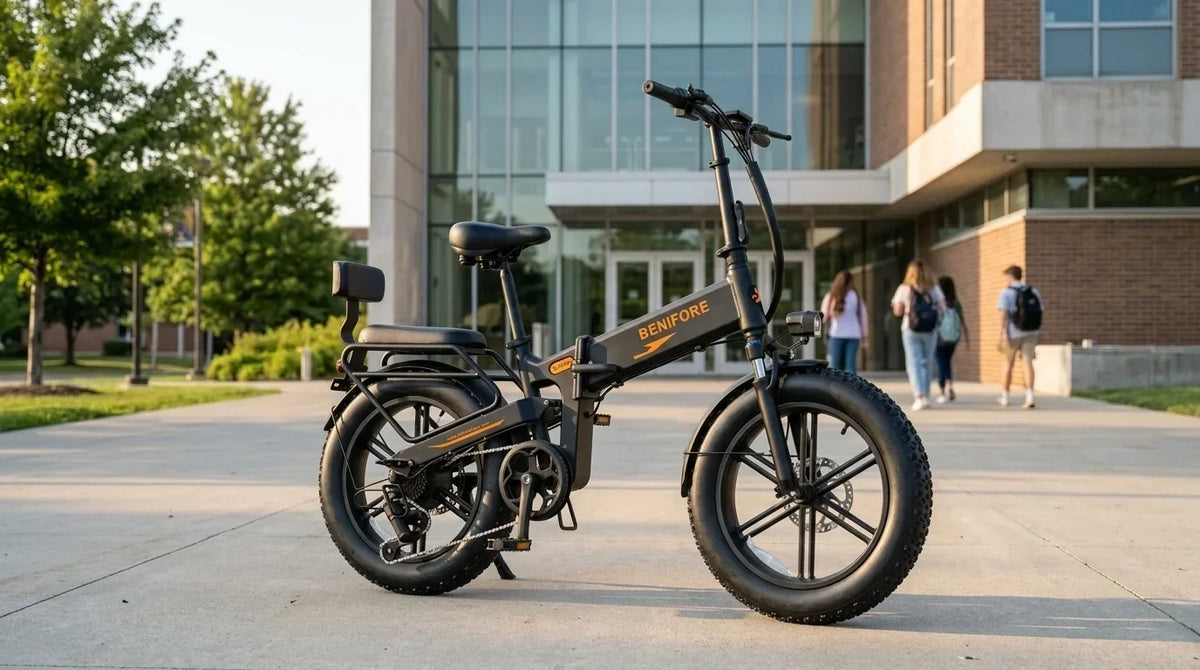
Benifore X1T PRO is a 35 MPH-capable electric bike designed for mixed urban and suburban riding.
Instead of focusing only on speed, it combines:
- 1500W peak motor (strong acceleration under load)
- 90Nm torque (better hill + start performance)
- 20×4.0 fat tires (road stability)
- full suspension system (vibration control)
👉 Result: speed is not the risk factor—lack of control system is.
📊 QUICK DECISION GUIDE
| Riding scenario | Is 35 MPH suitable? |
|---|---|
| Dense city center | ❌ Not ideal |
| Bike lanes | ❌ Too fast |
| Suburban roads | ✔ Yes |
| Mixed traffic roads | ✔ Yes |
| Long commuting routes | ✔ Very suitable |
🧩 KEY INSIGHT MOST PEOPLE MISS
35 MPH is not “the speed you ride all the time.”
It is:
👉 the capability you use when conditions allow
Most riders don’t cruise at 35 MPH constantly—they use it for:
- overtaking
- merging into traffic
- open-road segments
- uphill momentum
🧠 FINAL TAKEAWAY
35 MPH is not automatically too fast.
It becomes:
- too fast in tight urban environments
- perfectly reasonable in traffic-matching or suburban riding
The real question is not:
👉 “How fast is it?”
But:
👉 “Where are you actually riding it?”
Share: