




Electric bikes have changed a lot in the past few years.
What used to be slow, assist-only commuting bikes are now capable of reaching speeds that were once closer to mopeds or small motorcycles.
One of the most debated questions in 2026 is:
👉 Is 35 MPH too fast for an electric bike?
The answer is not as simple as yes or no. It depends on where you ride, how you ride, and what you expect from your bike.
First, what does 35 MPH actually mean in real riding?
35 miles per hour is roughly:
- 56 km/h
- similar to city car traffic in many urban areas
- significantly faster than standard commuter e-bikes (usually 20–28 MPH)
At this speed, an electric bike is no longer just a casual transportation tool. It starts to behave more like a performance vehicle.
That changes how riders should think about safety, control, and usage.
Why 35 MPH feels “too fast” for some riders
For beginners or casual riders, 35 MPH can feel intimidating because:
1. Reaction time becomes critical
At higher speeds, you have less time to respond to:
- sudden stops
- car doors opening
- pedestrians crossing
- road obstacles
2. Road quality matters more
Small bumps or potholes that feel harmless at 15 MPH can become serious stability issues at higher speeds.
3. Traffic mismatch
In many bike lanes or urban areas, 35 MPH is significantly faster than surrounding traffic, which can create unpredictability.
Why some riders actually prefer 35 MPH capability
Despite the concerns, many experienced riders consider higher speed capability a major advantage.
1. Keeping up with traffic flow
In some US cities, car traffic in certain zones moves between 30–40 MPH.
A faster e-bike allows riders to:
- merge more safely
- avoid being constantly overtaken
- reduce speed difference risk
2. Shorter travel time
For commutes between 5–15 miles, higher speeds can significantly reduce total travel time.
3. Better performance under load
Speed capability is not just about going fast—it also reflects:
- stronger motors
- better torque systems
- improved hill performance
The real factor: control, not speed
The key misunderstanding is thinking that speed alone defines safety.
In reality, safety depends more on:
- braking system quality
- tire stability
- suspension system
- frame balance
- rider behavior
A well-designed e-bike at 35 MPH can feel more stable than a poorly built one at 20 MPH.
Where 35 MPH e-bikes make sense
High-speed e-bikes are best suited for:
- open road commuting
- suburban riding
- long straight bike paths
- experienced riders
- mixed-use transportation (not just bike lanes)
They are less suitable for crowded downtown bike lanes or beginner riders.
Example of a high-performance setup
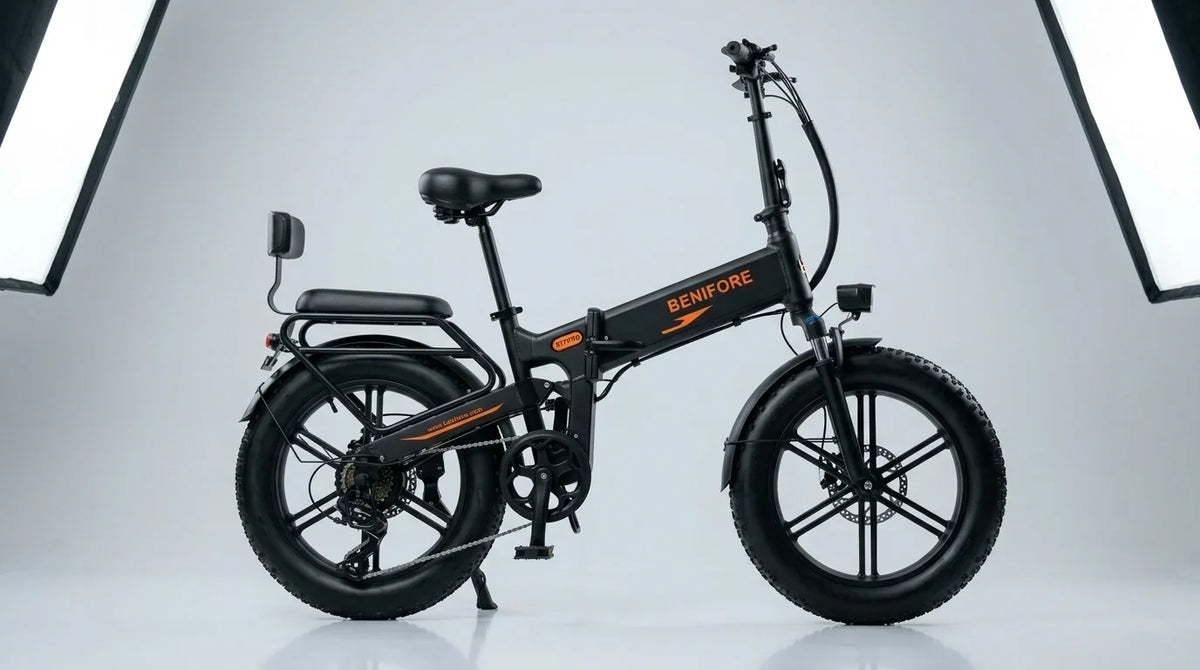
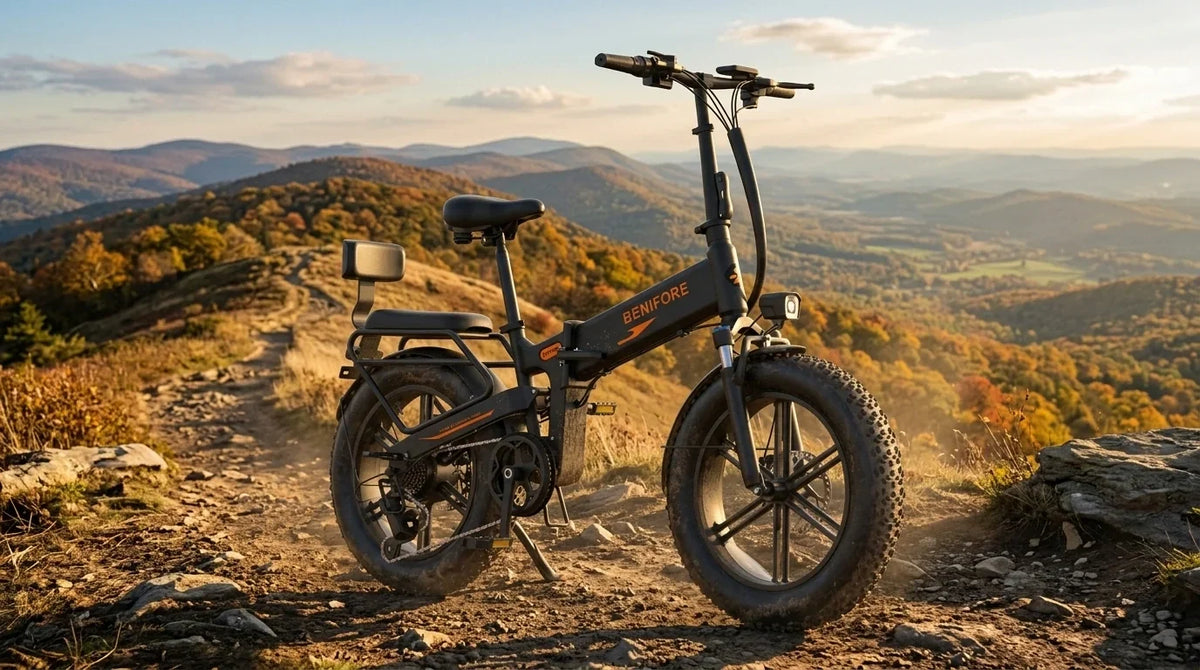
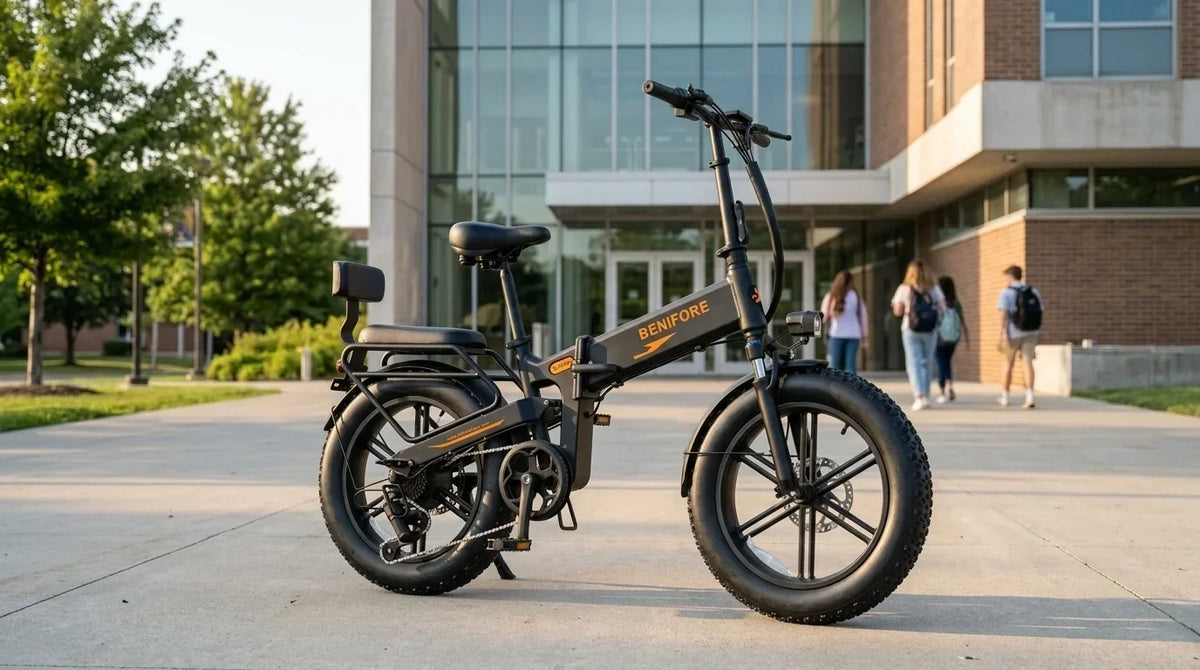
Benifore X1T PRO is capable of reaching up to 35 MPH, combining high motor output and torque to maintain stable performance across different conditions.
It is designed not just for speed, but for:
- consistent acceleration
- hill climbing ability
- cargo carrying stability
- real-world commuting efficiency
The hidden trade-off of higher speed
As speed increases, several factors become more important:
- braking distance increases
- rider fatigue can increase over long rides
- battery consumption becomes higher
- road conditions become more critical
This is why high-speed e-bikes require more awareness and responsible riding.
So… is 35 MPH too fast?
The honest answer:
👉 For beginners and dense city bike lanes: yes, it can be too fast
👉 For experienced riders and open-road commuting: not necessarily
Speed itself is not the problem. Context is.
A well-built e-bike capable of 35 MPH is not inherently unsafe—it simply requires the rider to understand when and where that performance should be used.
Final thoughts
In 2026, electric bikes are no longer limited to slow urban commuting.
They now span a wide performance range—from casual city bikes to high-speed utility machines.
A 35 MPH e-bike sits at the upper end of that spectrum, offering more flexibility, faster travel times, and stronger performance—but also demanding more responsibility from the rider.
For riders who understand how and where to use that capability, it can be a practical advantage rather than a risk.
Share: