




When people compare electric bikes, one of the most misunderstood topics is motor power.
Most buyers focus on peak wattage numbers like 500W, 750W, or 1500W. But in real-world riding, wattage alone does not tell the full story.
Two key factors actually determine how an e-bike feels on the road:
👉 Motor power (W)
👉 Torque (Nm)
And in 2026, the combination of a 1500W motor and 90Nm torque has become one of the most practical setups for real transportation use.
What Does a 1500W Motor Actually Mean?
A 1500W motor is considered high-performance in the e-bike world.
Compared to lower-powered systems, it delivers:
- stronger acceleration from a stop
- better hill-climbing ability
- improved performance under load
- more stable high-speed riding
But more importantly, it changes how the bike behaves in real traffic.
Instead of feeling like a “bike with assistance,” it starts to feel like a true transportation vehicle that can keep up with urban flow.
Why Torque (90Nm) Matters More Than Most People Think
While wattage gets most of the attention, torque is what you actually feel when you ride.
Torque (measured in Nm) affects:
- how quickly the bike responds when you pedal or throttle
- how easily it climbs hills
- how well it performs with cargo or heavier riders
- how smooth the acceleration feels at low speeds
A bike with high wattage but low torque can still feel weak in real-world conditions.
That is why 90Nm torque has become a key benchmark in higher-performance e-bikes.
1500W + 90Nm in Real Riding Conditions
When these two specs work together, the difference becomes very noticeable in everyday riding scenarios:
1. Stop-and-Go City Traffic
The bike accelerates smoothly without lag, making it easier to merge into traffic or cross intersections.
2. Hill Climbing
Steep streets that normally slow down standard e-bikes become significantly easier to handle.
3. Cargo or Grocery Use
Extra weight does not dramatically reduce performance.
4. Longer Commutes
Maintaining consistent speed requires less effort from the rider.
Where This Type of Setup Fits Best
A 1500W + 90Nm configuration is not designed for casual riders only.
It is most suitable for:
- daily commuting (5–20 miles)
- riders carrying backpacks or cargo
- hilly urban environments
- heavier riders needing extra support
- users replacing short car trips
This is why this setup is becoming more common in utility-focused e-bikes in 2026.
Example of Real-World Application
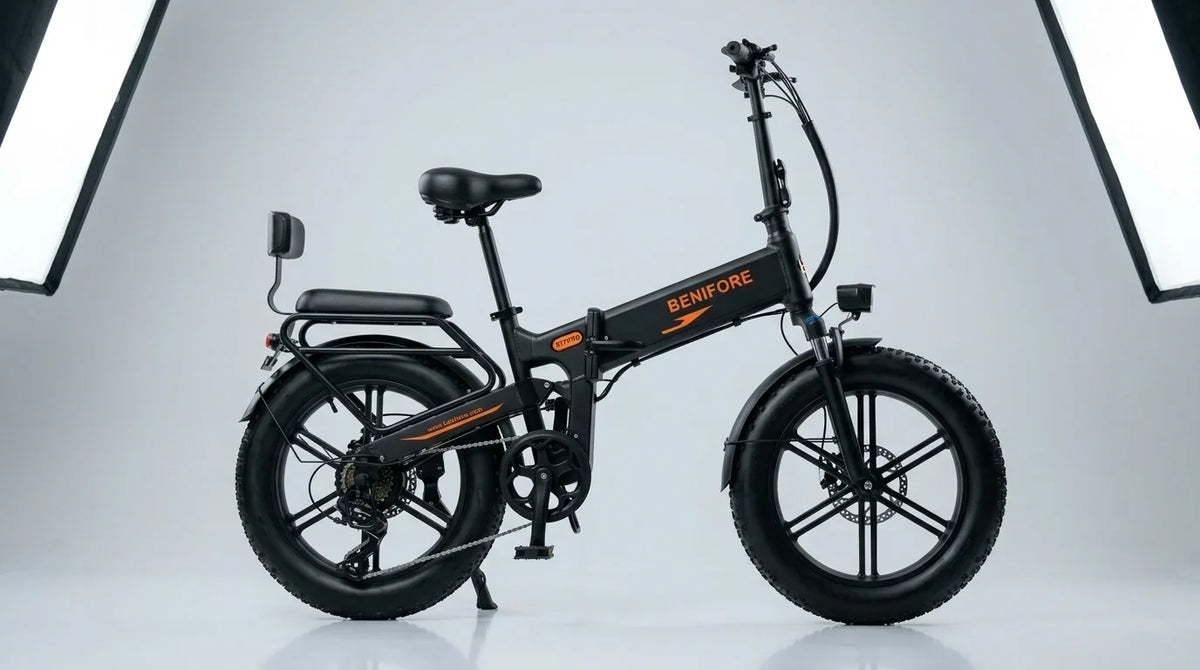
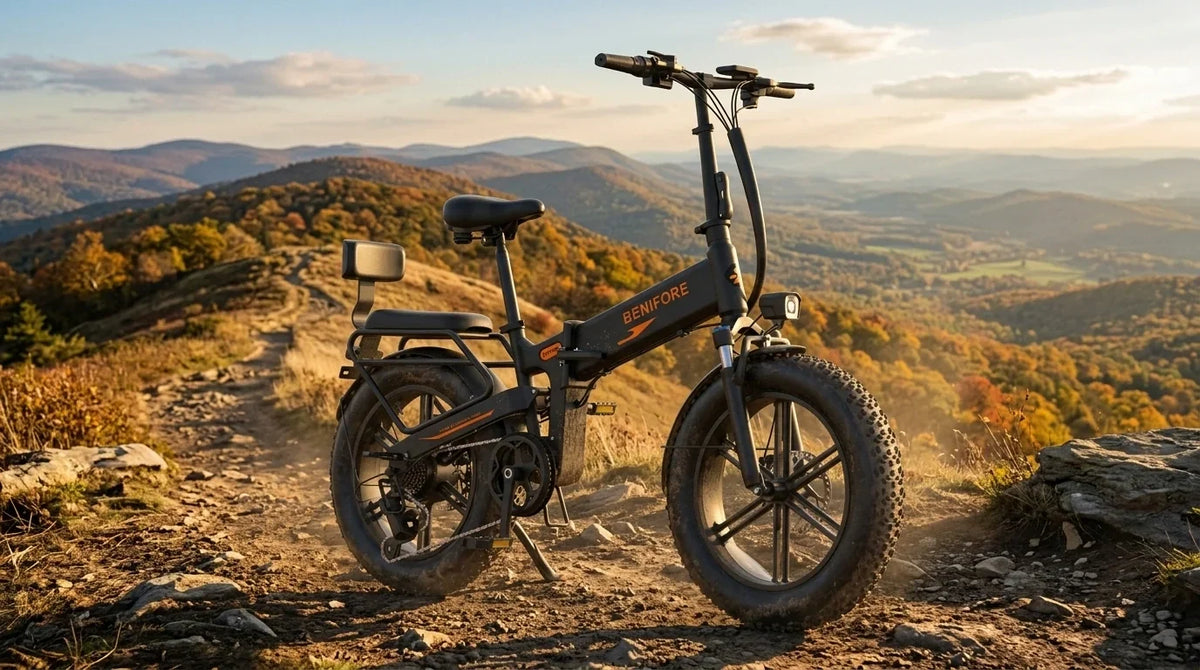
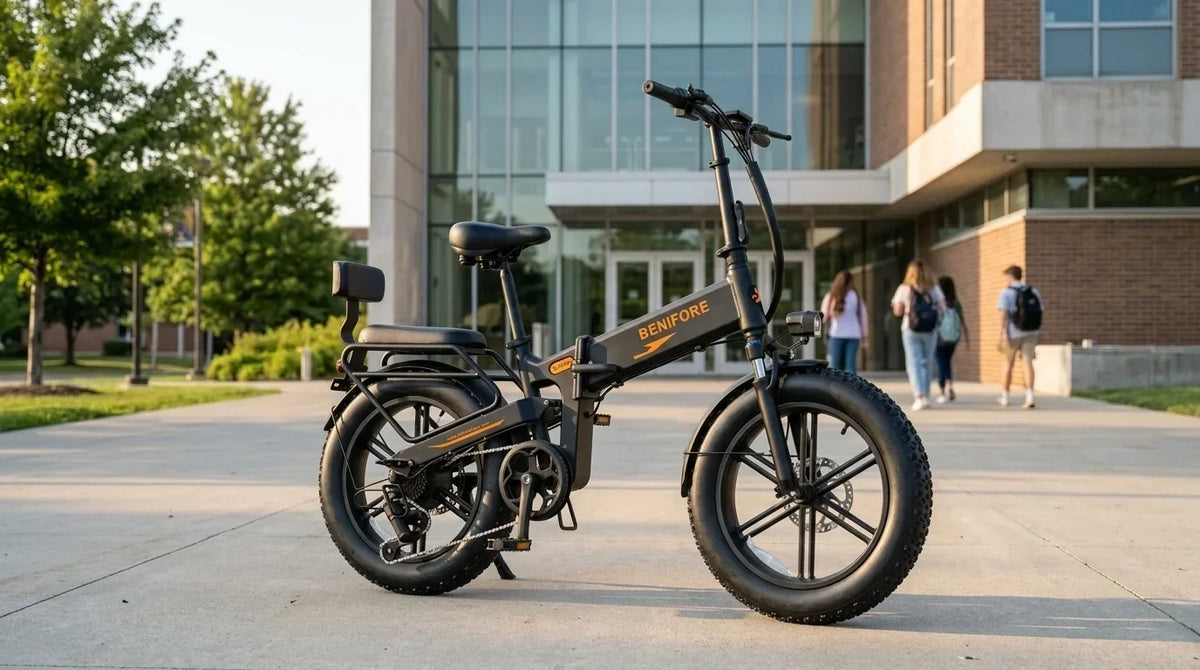
Benifore X1T PRO uses a 1500W peak motor paired with 90Nm torque output, designed specifically for mixed daily usage.
Instead of focusing only on speed, the system is tuned for:
- consistent acceleration
- stable hill performance
- load carrying capability
- real commuting efficiency
This makes it more aligned with transportation use rather than pure recreational riding.
Common Misunderstanding About High-Power Motors
Many first-time buyers assume:
higher wattage always means faster riding
But in reality:
- top speed is limited by safety, tires, and controller settings
- torque has more impact on real usability
- rider weight and terrain often matter more than peak power
This is why two bikes with similar top speeds can feel completely different in daily use.
Is 1500W Too Powerful for Everyday Use?
Not necessarily.
The idea of “too powerful” depends on how the bike is used.
In real urban environments:
- traffic flow is faster than before
- roads are more demanding
- riders carry more weight (bags, cargo, etc.)
- hills are common in many US cities
In this context, extra power is not just about speed—it is about control and flexibility.
Final Thoughts
A 1500W motor combined with 90Nm torque represents a shift in how electric bikes are being designed in 2026.
Instead of focusing purely on speed or lightweight design, manufacturers are increasingly building bikes that prioritize real-world usability.
For riders who want a more capable daily transportation tool, this type of configuration offers a balance of performance, stability, and practicality that lower-powered systems often cannot match.
Share: