




Heavier riders in the United States require electric bikes that go beyond standard performance expectations. In 2026, the demand for stable, high-torque, and structurally reinforced e-bikes has significantly increased as more users shift toward electric mobility for commuting, recreation, and utility use.
Unlike entry-level commuter bikes, performance for heavy riders is not defined by speed alone. It is determined by how the system behaves under real load conditions, including acceleration stability, frame integrity, and suspension response.
What Defines a Heavy-Duty Electric Bike
A properly designed electric bike for heavier riders typically focuses on real-world riding stability rather than marketing specifications. The most important performance factors include:
- Structural frame strength under sustained load
- Torque delivery consistency during acceleration
- Suspension response on uneven terrain
- Braking stability at higher total weight
- Battery efficiency under continuous usage
These elements directly influence rider safety, comfort, and long-term usability.
Real-World Performance Considerations
Electric bikes often perform differently in real environments compared to laboratory specifications. When rider weight increases, system efficiency, acceleration response, and range consistency can all be affected.
For this reason, torque output and motor tuning become more important than peak speed ratings. A well-balanced system ensures smoother uphill performance and more controlled acceleration under load.
Suspension design also plays a critical role in reducing vibration impact during long-distance rides, especially on mixed road conditions commonly found across the United States.
Load Capacity and Ride Stability
One of the most important specifications for heavy riders is load capacity. However, load capacity alone does not guarantee performance quality. The distribution of weight across the frame, combined with suspension geometry, determines actual riding stability.
Well-engineered electric bikes maintain control even under maximum rated load, ensuring predictable handling during both commuting and recreational riding.
Balanced High-Performance Electric Bikes
In the current US market, riders are increasingly choosing electric bikes that combine durability, torque strength, and full suspension systems rather than focusing on isolated specifications.
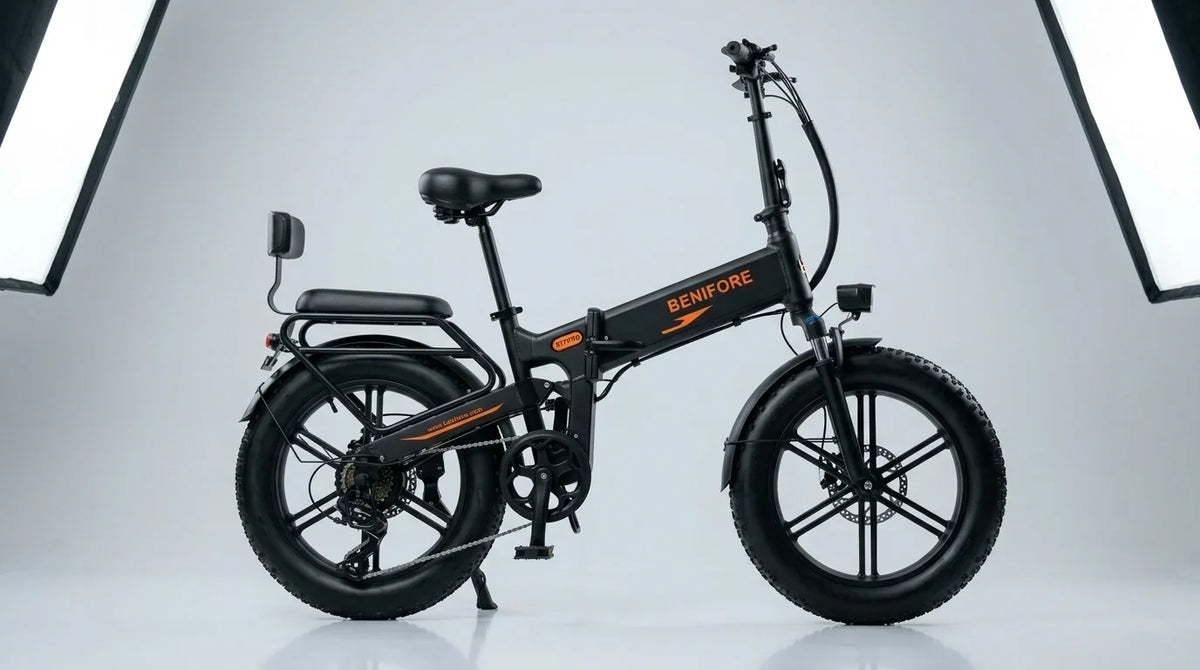
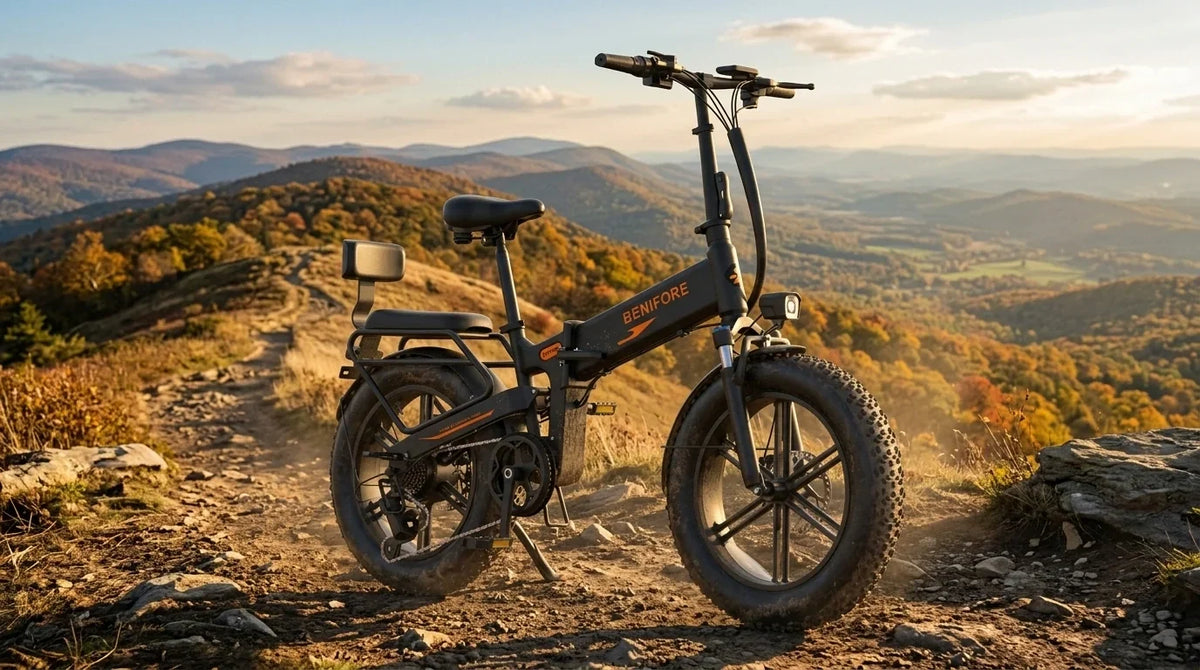
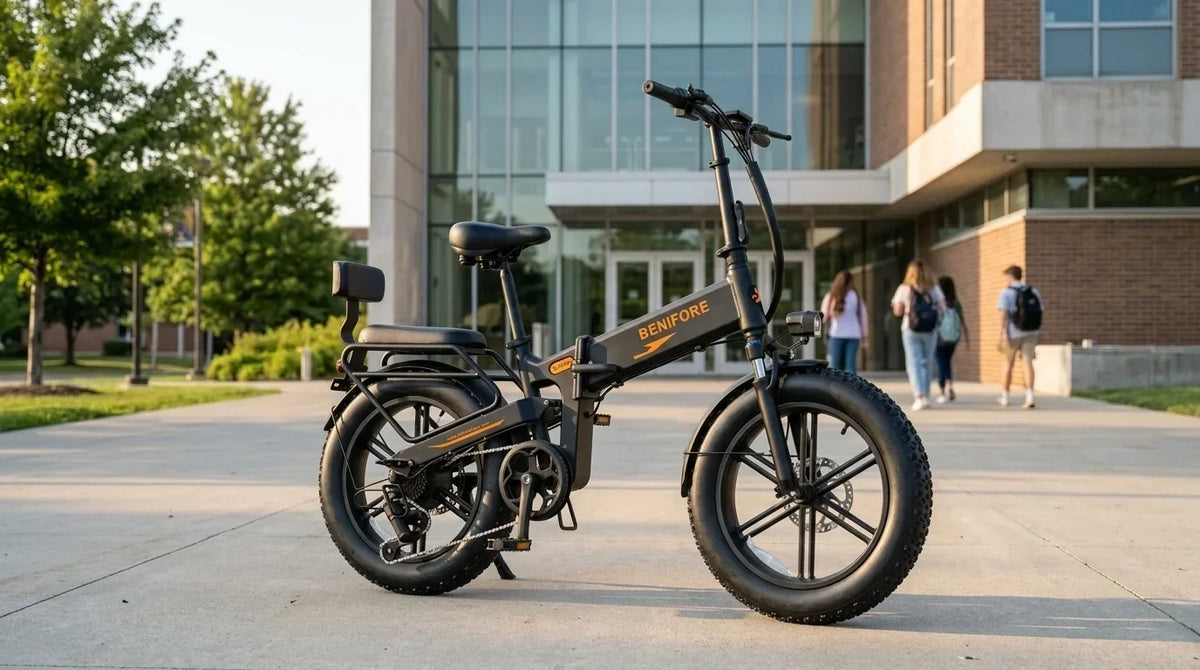
Models such as Benifore X1T PRO represent this shift toward balanced engineering, where multiple performance systems work together to deliver consistent real-world riding experience.
Key characteristics include:
- High torque output for stable climbing performance
- Reinforced frame structure for load handling
- Full suspension system for improved comfort
- Extended range battery system for long-distance riding
Final Insight
The best electric bike for heavy riders is not defined by a single specification, but by how consistently the system performs under real-world conditions.
As the 2026 electric bike market continues to evolve in the United States, riders are increasingly prioritizing structural stability, torque behavior, and suspension performance over traditional speed-focused marketing metrics.
Share: