




When people search for the best electric bike for long range, they usually expect a simple answer:
👉 60 miles, 80 miles, maybe even 100 miles
But in real-world riding, range is not a fixed number.
It changes depending on how the bike is actually used.
What really affects e-bike range
A long-range electric bike is not defined by battery size alone.
Real-world mileage depends on several key factors:
- Riding speed (the most important factor)
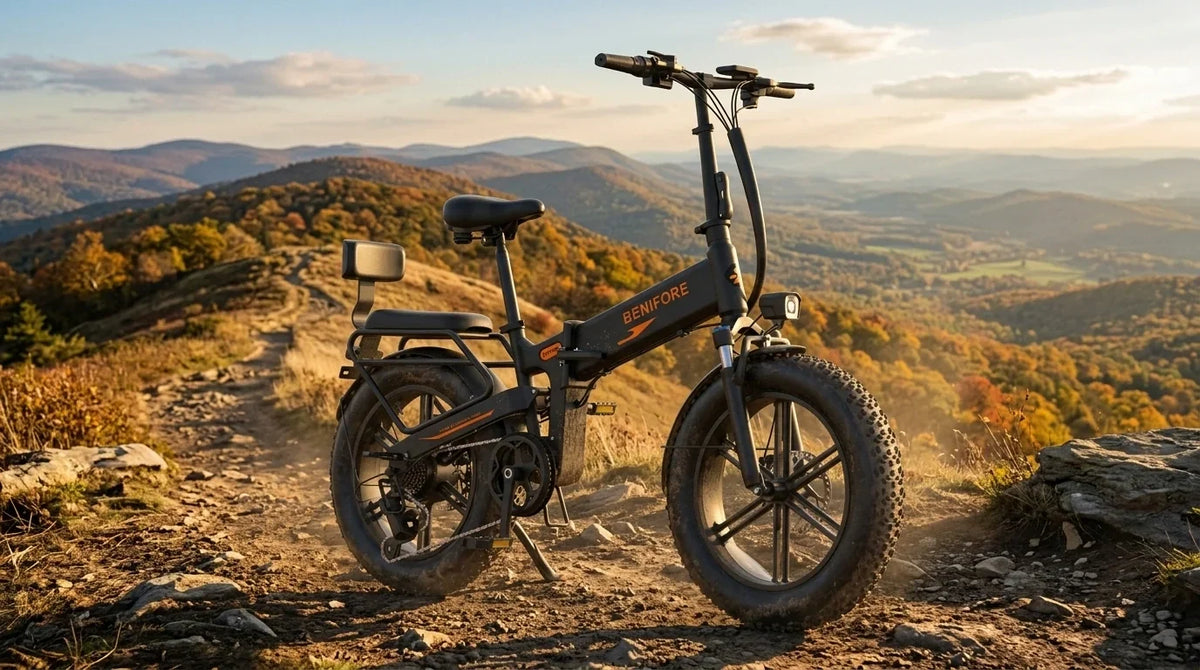
- Terrain (flat roads vs hills)
- Rider weight and cargo load
- Assist level used
- Wind resistance and tire pressure
Even the same bike can produce very different results for different riders.
Why speed has the biggest impact on range
Speed has a stronger effect on battery life than most riders expect.
At higher speeds:
- Air resistance increases significantly
- Motor output stays higher for longer periods
- Energy consumption rises faster than distance gained
This is why riding at 28–35 MPH reduces total range much faster compared to moderate cruising speeds.
Example of a balanced long-range setup
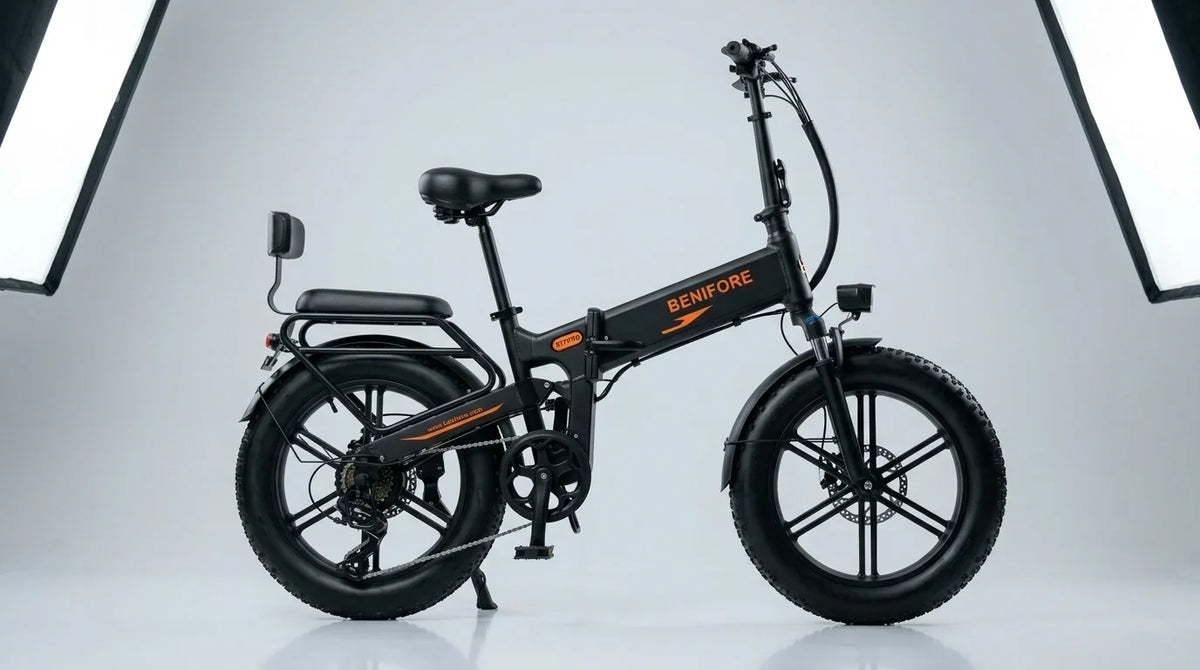
The Benifore X1T PRO uses a 48V 20Ah battery system designed to balance:
- Power output
- Riding efficiency
- Real-world commuting distance
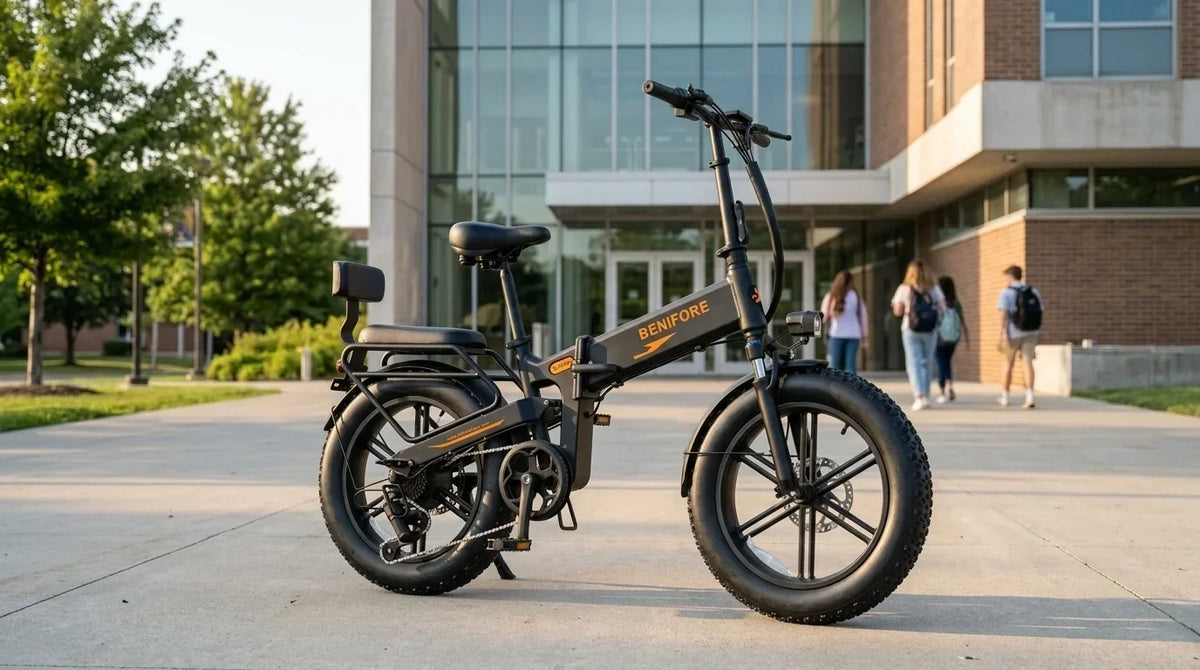
In real use, range will vary depending on riding style. The system is optimized for mixed commuting conditions rather than a single ideal scenario.
Real-world range expectations
Instead of relying on a single number, it is more realistic to think in ranges:
- Light assist / flat terrain → maximum efficiency range
- Normal commuting → balanced real-world range
- High speed / hills / heavy load → lowest range scenario
Final takeaway
The best long-range electric bike is not defined by the biggest advertised number.
It is defined by how consistently it performs across different riding conditions.
In real use, range depends more on riding behavior than battery specifications alone.
Share: