




Speed is one of the most commonly advertised features in electric bikes, but also one of the most misunderstood.
A specification like “35 MPH” can sound impressive on paper, but the real question is:
👉 what does that speed actually mean in real-world riding conditions?
Top speed vs real usable speed
Manufacturers typically measure top speed under ideal conditions:
- flat terrain
- fully charged battery
- single rider load
- no wind resistance
In everyday riding, however, conditions are rarely ideal.
As a result, the real usable speed is often lower or less consistent than the advertised maximum.
Why higher speed changes riding dynamics
As speed increases, the riding experience changes significantly:
- braking distance becomes longer
- reaction time requirements increase
- road surface quality has a greater impact
- stability becomes more important than raw acceleration
At speeds above 30 MPH, an electric bike is no longer just a commuting tool—it becomes a performance vehicle that requires greater control and awareness.
What a true high-speed e-bike requires
High-speed capability is not determined by motor power alone.
A properly balanced high-speed e-bike typically requires:
- stable frame geometry for structural control
- high-performance braking system
- wide tires for improved road contact
- suspension system for vibration absorption
- consistent torque delivery under load
Without these supporting systems, higher speed can reduce comfort and safety in real-world use.
Example of a controlled high-speed system
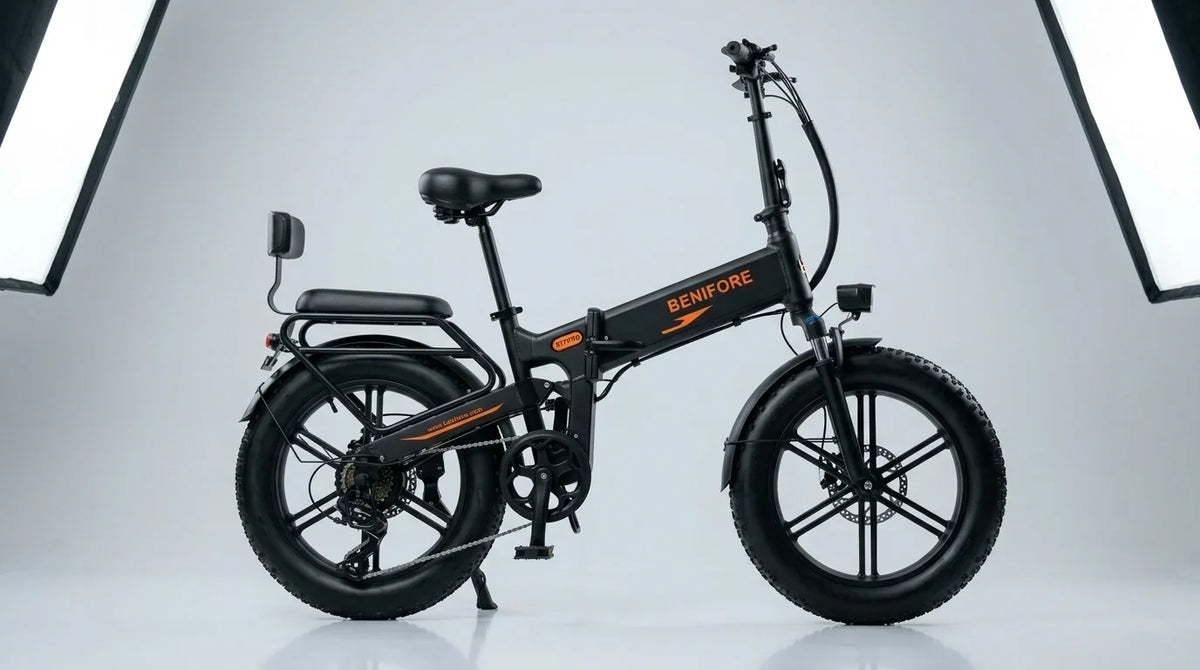
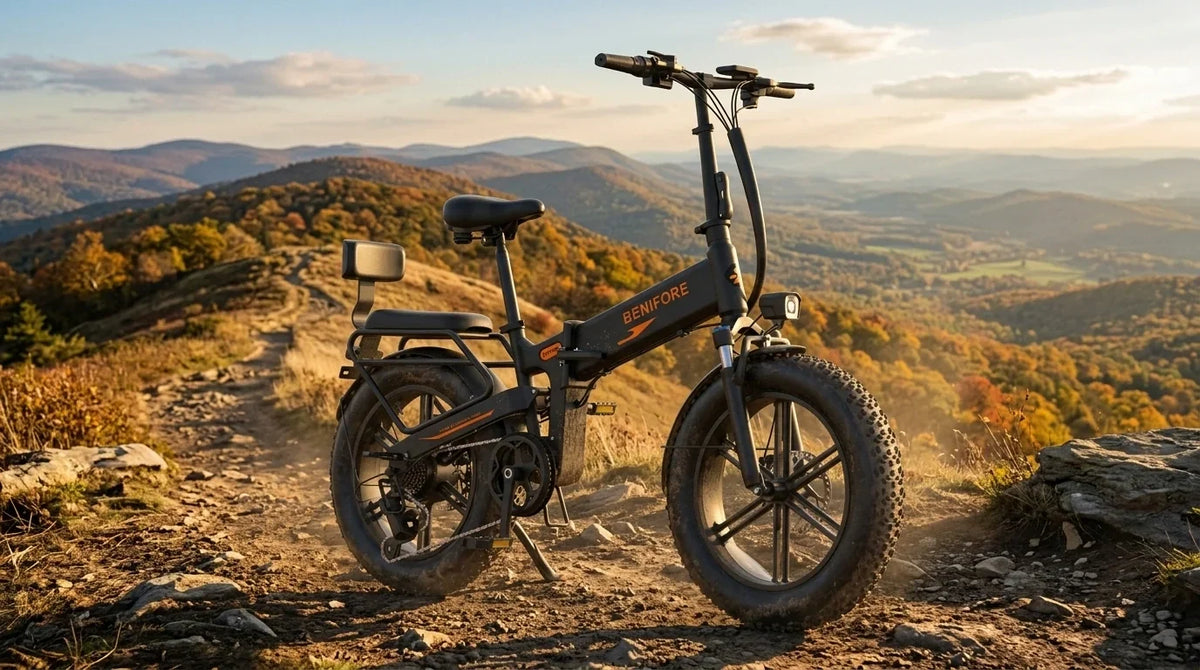
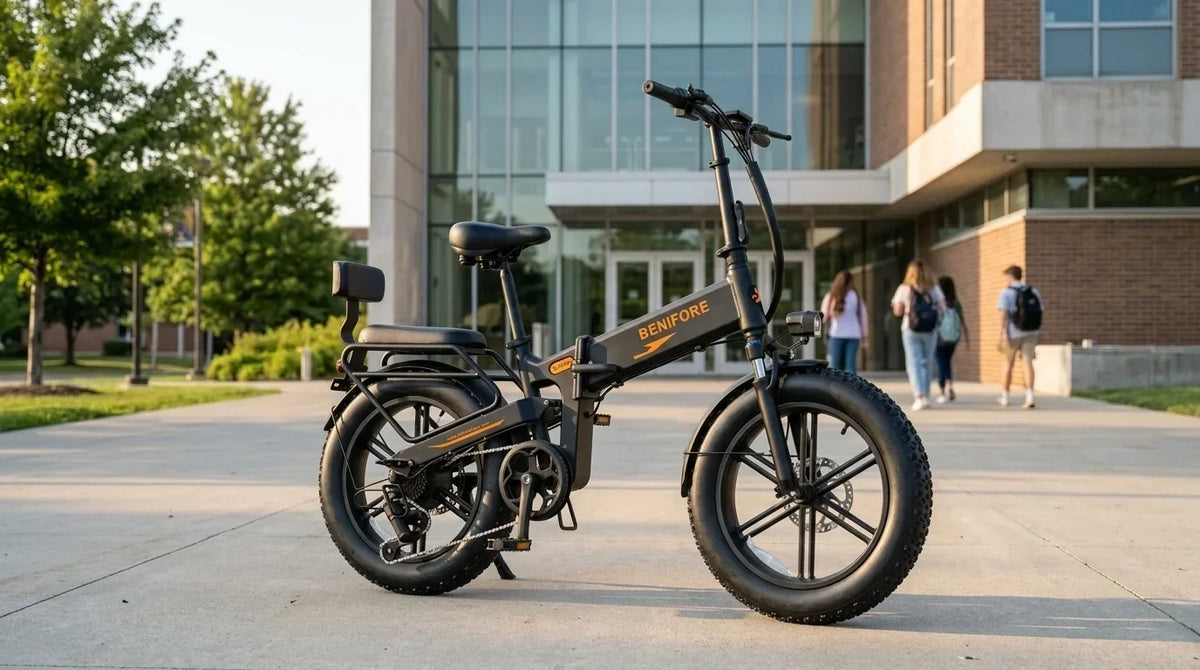
The Benifore X1T PRO is designed to balance speed capability with stability-focused engineering, including:
- 1500W peak motor output
- 90Nm torque for controlled acceleration
- fat tire platform for enhanced grip
- full suspension system for improved stability at speed
The design emphasis is not only on achieving speed, but maintaining control while riding at higher velocities.
Real-world speed usage
In practical use, riders rarely maintain maximum speed continuously.
High-speed capability is typically used for:
- merging into traffic
- overtaking slower vehicles
- open-road commuting sections
- reducing overall travel time
This makes speed a situational advantage rather than a constant operating condition.
Final takeaway
The best high-speed electric bike is not the one with the highest number on a specification sheet.
It is the one that remains stable, predictable, and controllable when speed increases.
👉 In real-world conditions, speed only matters when the entire bike system can safely support it.
Share: