




Cargo electric bikes are no longer a niche category. In many urban environments, they are quietly becoming a replacement for short car trips—used for commuting, deliveries, and family transportation.
Yet when buyers evaluate cargo e-bikes, the decision is often reduced to simple specifications like motor wattage, range, or advertised payload capacity. In real-world use, those numbers don’t tell the full story.
Cargo riding is not about performance peaks. It is about consistency under load.
Understanding what a cargo e-bike is actually designed to do
A cargo e-bike is fundamentally built around one requirement: stable transportation of weight.
That weight can vary widely depending on use case—groceries, passengers, work equipment, or delivery loads. The challenge is not just carrying weight once, but maintaining predictable behavior while doing it repeatedly in real traffic conditions.
This distinction is important because it shifts the focus away from speed and toward system stability.
Why load behavior matters more than raw specifications
In cargo riding, performance is defined less by maximum output and more by how the bike behaves when stressed.
The most important factor is stability under load. A well-designed cargo system should maintain balance whether it is lightly loaded or operating near full capacity. This depends heavily on structural design, weight distribution, and tire contact consistency.
Motor behavior under pressure is equally important. Cargo use requires smooth, controlled power delivery rather than aggressive acceleration. Torque delivery at low speeds becomes far more relevant than top-end speed, especially in stop-and-go urban environments.
Comfort also plays a larger role than most buyers expect. Cargo bikes are often used multiple times per day, and small differences in vibration control or riding posture become amplified over time. Suspension quality and tire absorption directly influence long-term usability.
Where most cargo e-bike comparisons go wrong
Many comparisons prioritize metrics that matter less in real cargo use cases.
Top speed, for example, has limited relevance in utility riding. Cargo e-bikes rarely operate at high velocity; instead, they function in low-speed, high-load environments where control and predictability are more important than acceleration performance.
Similarly, advertised range figures often assume light load conditions that do not reflect actual cargo usage. Under real weight, energy consumption patterns change significantly.
This creates a gap between specification-driven expectations and real-world behavior.
A utility-oriented design perspective
From a system design standpoint, cargo e-bikes rely on a combination of structural and mechanical factors working together.
Reinforced frames help manage weight distribution under repeated stress. Wider tires improve ground contact and reduce instability on uneven surfaces. Full suspension systems contribute to consistent handling when load conditions change. High-torque motors ensure that movement remains smooth even at low speeds or when starting under weight.
The interaction between these elements is what defines real usability.
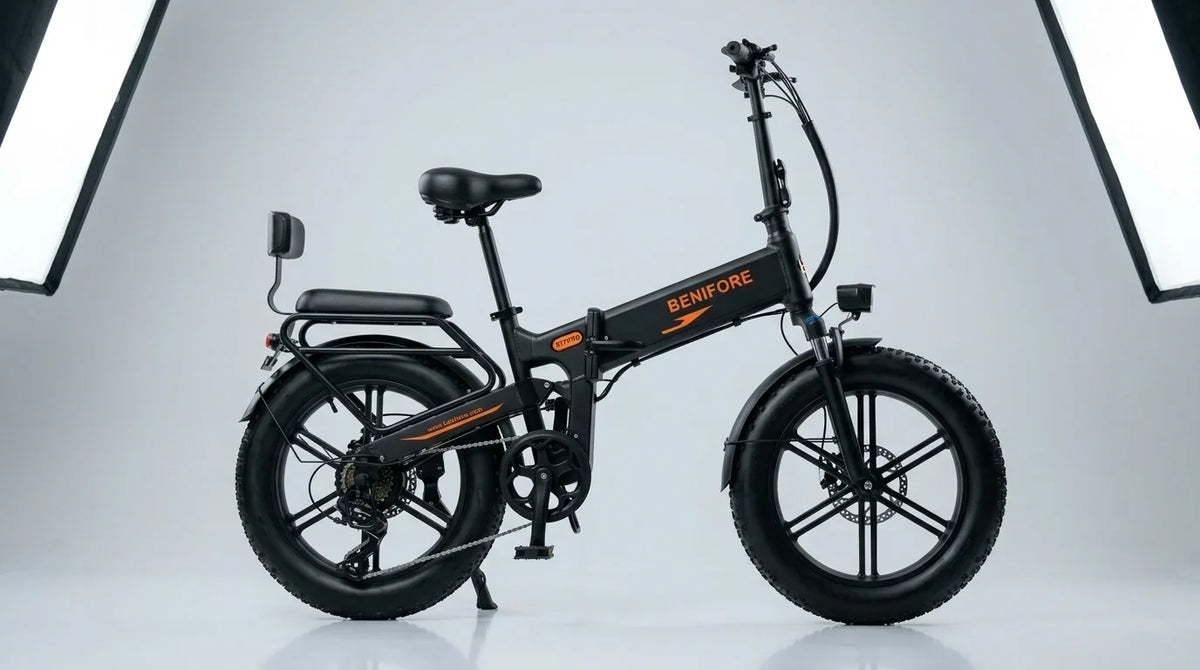
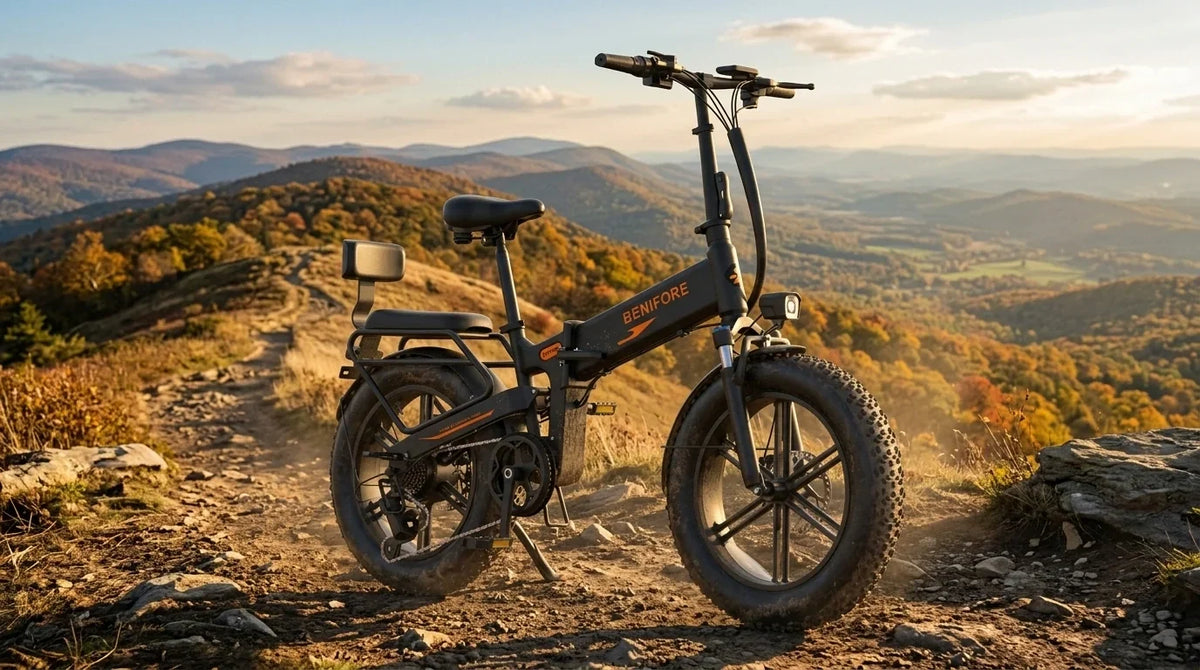
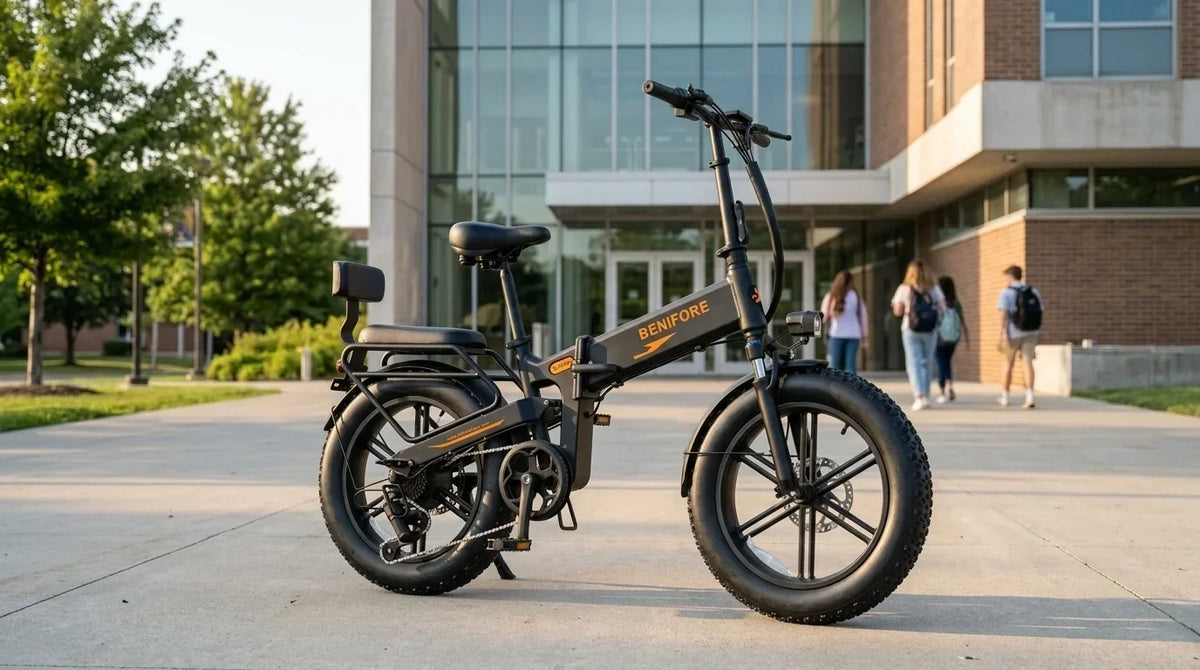
In utility-focused designs such as the Benifore X1T PRO platform, these principles are applied in a more generalized form. While not a dedicated cargo bike, its combination of frame reinforcement, fat tire geometry, full suspension, and torque-focused power delivery reflects the same priorities found in cargo-oriented engineering.
The real distinction that matters
Cargo e-bikes should not be evaluated like performance bikes. Their value is not determined by how fast they can go, but by how consistently they behave under varying load conditions.
A capable system should feel predictable regardless of whether it is lightly loaded or operating near capacity. It should remain stable in stop-and-go traffic, manageable during frequent starts and stops, and comfortable enough for repeated daily use.
That consistency—not peak specification—is what ultimately defines a good cargo e-bike.
Share: