




The battery is one of the most important components of an electric bike. It determines how far you can ride, how consistently your motor performs, and how reliable your eBike remains over time.
For many riders, especially those using electric bikes for commuting, outdoor adventures, family rides, or long-distance trips, battery performance is one of the biggest factors affecting the ownership experience.
A high-quality battery can provide years of dependable performance, but proper care is essential. Charging habits, storage conditions, riding style, and maintenance routines all influence how long an electric bike battery lasts.
Understanding how to properly care for an eBike battery helps riders protect their investment and enjoy more reliable rides.
Why Electric Bike Battery Care Matters
Modern electric bikes typically use lithium-ion batteries because they offer a strong balance between energy capacity, weight, and durability.
However, like all rechargeable batteries, lithium-ion batteries naturally experience gradual performance changes over time.
The way a battery is used can significantly affect:
- Maximum riding range
- Charging efficiency
- Long-term battery health
- Replacement costs
- Overall riding experience
A rider who follows good battery practices may maintain better performance compared with someone who frequently exposes the battery to extreme conditions or improper charging habits.
Battery care is not complicated. Small daily habits can make a meaningful difference.
1. Avoid Fully Draining Your eBike Battery Too Often
One of the most common mistakes riders make is repeatedly using the battery until it reaches zero.
While modern lithium-ion batteries include protection systems, regularly draining a battery completely can increase stress on the cells.
For everyday riding, many battery experts recommend keeping the battery level within a moderate range instead of constantly charging from empty to full.
For example:
- Recharge before the battery completely runs out
- Avoid leaving the battery at extremely low levels for long periods
- Charge after longer rides when needed
This helps maintain more consistent battery performance.
2. Use the Correct Charger
Always use the charger designed specifically for your electric bike battery.
Different batteries have different voltage and charging requirements. Using an incorrect charger may reduce battery performance or create safety concerns.
Good charging habits include:
- Use the original charger whenever possible
- Check that charging connections are clean
- Avoid damaged charging cables
- Place the charger on a stable surface during charging
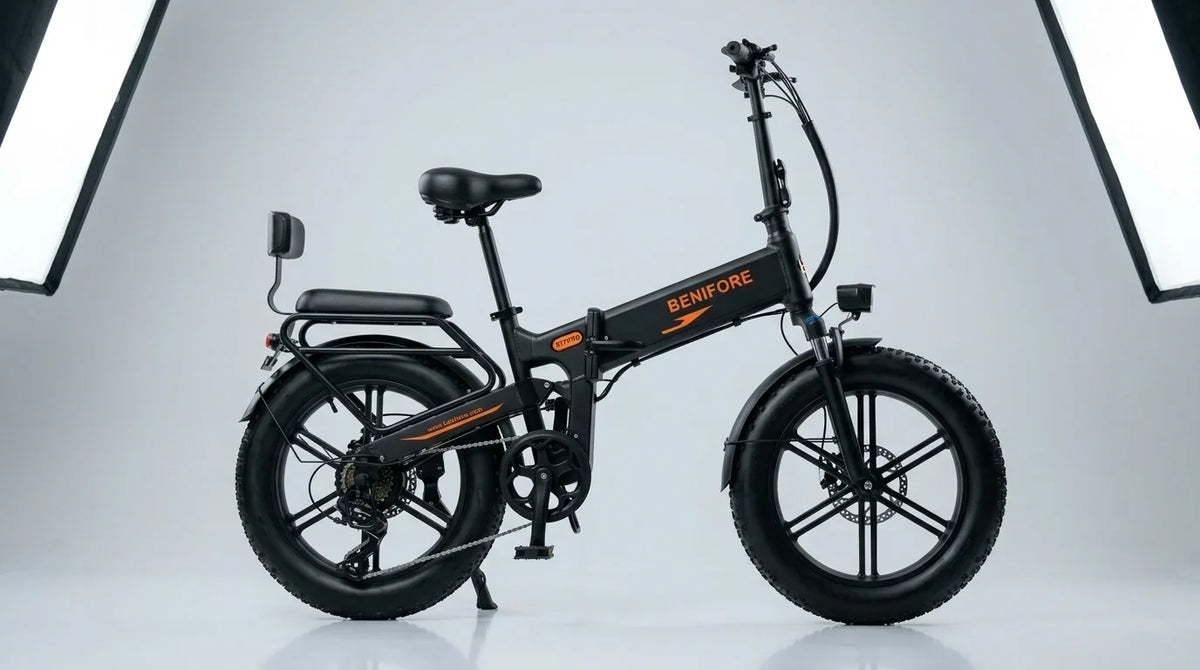
For a model like the Benifore X1T PRO, the 48V 20Ah battery system is designed to work with its dedicated charging equipment to provide reliable long-range performance.
3. Store Your Electric Bike Battery Properly
Storage conditions have a major impact on battery health.
Extreme temperatures can affect lithium-ion battery performance.
Avoid storing your battery:
- Under direct sunlight for extended periods
- In freezing outdoor environments
- In areas with high humidity
For long-term storage:
- Keep the battery in a dry location
- Avoid storing it completely empty
- Check the battery level periodically
Proper storage is especially important during winter months or when an electric bike is not used for several weeks.
4. Keep Your Battery Clean and Dry
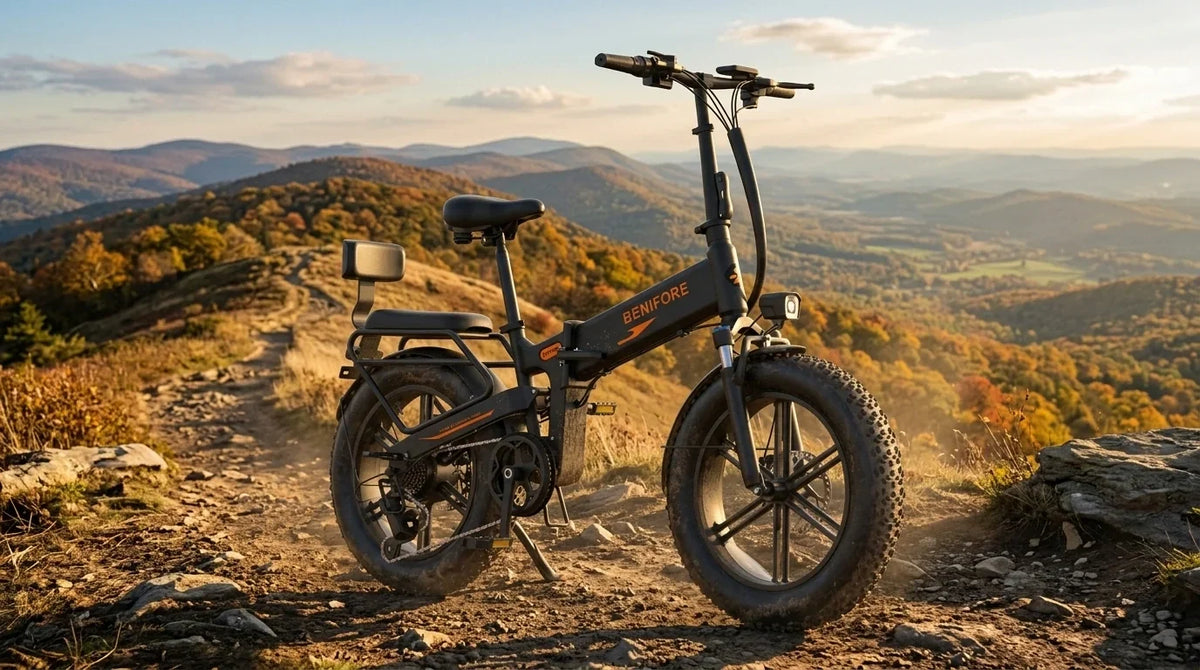
Electric bikes are designed for real-world riding conditions, including roads, gravel paths, trails, and outdoor environments.
However, the battery area should still be protected from unnecessary exposure to water, dirt, and debris.
Basic battery maintenance includes:
- Wiping dust from battery contacts
- Checking connection points regularly
- Keeping charging ports clean
- Avoiding high-pressure water directly on electrical components
A clean battery connection helps maintain stable power delivery.
5. Consider Riding Conditions When Managing Range
Battery range depends on many factors, not only battery capacity.
Real-world riding range can change based on:
- Rider weight
- Terrain
- Wind conditions
- Riding speed
- Tire pressure
- Assist level
- Temperature
For example, riding at higher speeds or climbing steep hills requires more energy from the motor.
A powerful electric bike such as the Benifore X1T PRO uses a 48V 20Ah battery system designed to support longer rides, but efficient riding habits can help maximize available range.
6. Maintain Proper Tire Pressure
Many riders focus only on the battery itself and overlook other factors that influence energy consumption.
Tire pressure plays an important role in efficiency.
Underinflated tires create more rolling resistance, requiring the motor to work harder.
For fat tire electric bikes:
- Check tire pressure regularly
- Maintain recommended pressure levels
- Inspect tires before long-distance rides
The Benifore X1T PRO uses 20×4.0 fat tires, providing stability and comfort across different surfaces, but proper tire maintenance also helps optimize battery usage.
7. Avoid Extreme Heat and Cold
Temperature is one of the biggest external factors affecting lithium-ion batteries.
Hot environments may accelerate battery aging, while cold temperatures can temporarily reduce available range.
During very hot conditions:
- Avoid leaving the battery inside a hot vehicle
- Store it in a shaded area
- Allow the battery to cool before charging if necessary
During cold conditions:
- Expect some temporary range reduction
- Store the battery indoors when possible
- Allow the battery to reach normal temperature before charging
8. Charge After Long Rides
After extended rides, many riders leave their electric bike unused without checking the battery level.
A better habit is:
- Check battery condition after longer trips
- Recharge when necessary
- Avoid leaving the battery empty for extended periods
This is especially important for riders who use their eBike seasonally for camping, fishing, or weekend adventures.
9. Follow a Regular Electric Bike Maintenance Routine
Battery performance is connected with the entire electric bike system.
A complete maintenance routine should include:
Monthly checks:
- Battery connection
- Tire pressure
- Brake performance
- Chain condition
- Charging port condition
Before long trips:
- Fully inspect the bike
- Confirm battery level
- Check riding equipment
A well-maintained electric bike provides a safer and more enjoyable riding experience.
Battery Care and Long-Term Ownership
An electric bike is more than a transportation tool. For many riders, it becomes part of their lifestyle.
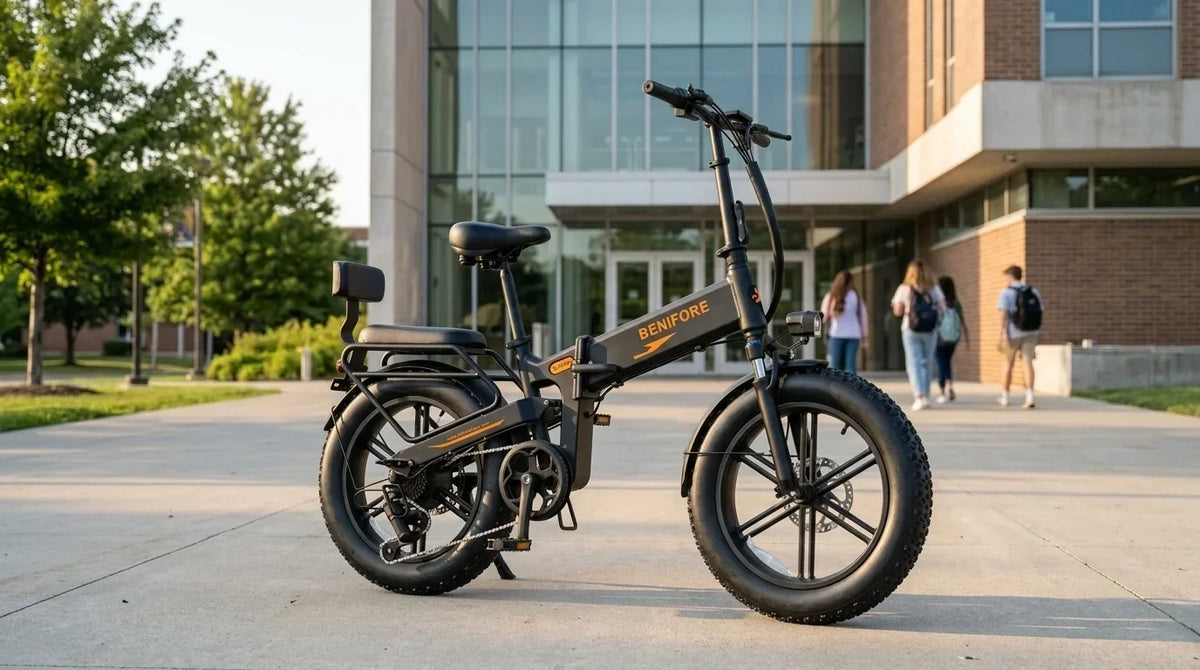
Whether it is used for daily commuting, weekend exploration, camping trips, or family activities, battery reliability directly affects how often riders choose to use their eBike.
Models designed for real-world riding, such as the Benifore X1T PRO, combine a high-capacity battery system with practical features including:
- 48V 20Ah battery
- Long-range riding capability
- 1500W peak motor performance
- Full suspension comfort
- 20×4.0 fat tires for stability
However, even the most capable electric bike benefits from proper maintenance.
Good charging habits, correct storage, and regular inspection help riders enjoy stronger performance and a better ownership experience.
Final Thoughts
Electric bike battery care does not require complicated maintenance.
The most important habits are simple:
- Charge correctly
- Avoid extreme conditions
- Store properly
- Maintain your bike regularly
- Ride according to real conditions
Taking care of your eBike battery helps protect your investment and keeps every ride more reliable.
A well-maintained electric bike is ready for more miles, more adventures, and more everyday moments.
Share: