




Summary
Learn how electric bike batteries work, what voltage and capacity mean, and how to choose the right eBike battery for performance, range, reliability, and everyday riding.
Electric Bike Battery Guide: How to Choose the Right eBike Battery
Introduction: Why the Battery Is One of the Most Important Parts of an Electric Bike
When people start shopping for an electric bike, they often focus on motor power, top speed, or tire size. However, the battery is one of the most important components that determines the overall riding experience.
A powerful motor can provide strong acceleration, but the battery determines how long that performance can last. A well-designed battery system affects range, reliability, charging convenience, and the long-term ownership experience.
For American riders who use electric bikes for commuting, weekend adventures, camping, fishing, or daily transportation, choosing the right battery is not just about getting the biggest number on a specification sheet. It is about finding the right balance between capacity, power delivery, durability, and real-world riding needs.
This guide explains how electric bike batteries work, what battery specifications mean, and what riders should consider before buying an eBike.
How Does an Electric Bike Battery Work?
An electric bike battery stores electrical energy and supplies power to the motor controller when you ride.
When you use pedal assist or throttle control, energy flows from the battery to the motor, creating additional power that helps you ride faster, climb hills easier, and travel longer distances with less effort.
Most modern eBike batteries use lithium-ion technology because they provide:
- High energy density
- Lightweight design
- Longer lifespan
- Faster charging capability
- Better performance compared with older battery types
A quality battery system is designed not only for maximum range but also for consistent performance during different riding conditions.
Understanding Electric Bike Battery Specifications
Many riders see numbers like:
- 48V 20Ah
- 36V 15Ah
- 52V 17.5Ah
But what do these numbers actually mean?
Voltage (V): Determines Power Delivery
Voltage represents the electrical pressure of the battery system.
Higher voltage systems can generally deliver more power to the motor, creating stronger acceleration and better performance when riding:
- Hills
- Rough terrain
- Heavy loads
- Higher speeds
For example, many performance-focused electric bikes use 48V systems because they provide a strong balance between power, efficiency, and reliability.
Amp Hours (Ah): Determines Battery Capacity
Amp hours measure how much energy the battery can store.
A higher Ah rating generally means more stored energy and potentially longer riding distance.
For example:
- 48V 10Ah battery = smaller capacity
- 48V 15Ah battery = medium capacity
- 48V 20Ah battery = larger capacity
However, battery range is not determined by capacity alone.
Real-world range depends on many factors:
- Rider weight
- Riding speed
- Terrain
- Wind conditions
- Tire pressure
- Assist level
- Temperature
Battery Capacity: Why Watt-Hours Matter
A more accurate way to compare battery size is watt-hours (Wh).
The formula is:
Voltage × Amp Hours = Watt Hours
For example:
48V × 20Ah = 960Wh
A higher watt-hour battery stores more energy and can support longer rides.
This is why two batteries with the same voltage may have different performance depending on their capacity.
What Battery Size Is Best for Different Riders?
There is no single “best” battery for everyone. The ideal battery depends on how you plan to use your electric bike.
For Short City Commutes
Riders who travel a few miles daily may only need a smaller battery.
Typical needs:
- Lightweight design
- Easy charging
- Lower overall bike weight
For Daily Transportation
For riders replacing car trips with an eBike, a medium-to-large battery provides more flexibility.
Benefits include:
- Fewer charging sessions
- More confidence for unexpected trips
- Better performance over longer distances
For Outdoor Adventures and Long Rides
Adventure riders usually benefit from larger battery systems.
Camping, fishing, and trail riding often require:
- Longer range
- Strong climbing ability
- Reliable power delivery
A larger battery gives riders more freedom to explore without constantly worrying about finding a charging point.
How Long Does an Electric Bike Battery Last?
A quality lithium-ion eBike battery can typically provide several years of reliable service when properly maintained.
Battery lifespan depends on:
Charging Habits
Avoid regularly draining the battery completely to zero.
Keeping the battery within a healthy charging range can help extend its lifespan.
Storage Conditions
Extreme temperatures can affect battery performance.
For long-term storage:
- Keep the battery in a dry location
- Avoid extreme heat
- Avoid freezing temperatures
- Maintain partial charge when storing for extended periods
Usage Conditions
Frequent high-power riding, heavy loads, and extreme environments may require more battery management.
Removable vs Integrated Electric Bike Batteries
Electric bike batteries generally come in two designs.
Removable Batteries
Advantages:
- Easier charging
- More convenient storage
- Simple replacement
- Better for apartment or indoor charging
Integrated Batteries
Advantages:
- Cleaner appearance
- Better frame integration
- More protected design
Many modern eBikes combine strong frame design with removable battery convenience.
What Makes a Good Electric Bike Battery?
A high-quality battery system should include:
Battery Management System (BMS)
A BMS protects the battery from:
- Overcharging
- Overheating
- Excessive discharge
- Electrical issues
This helps improve safety and battery lifespan.
Reliable Battery Cells
The quality of battery cells affects:
- Performance consistency
- Charging cycles
- Long-term durability
A higher-quality battery can maintain better performance over time.
Proper Matching With Motor Power
The battery and motor should work together.
A powerful motor requires a battery capable of delivering enough energy.
For example, a high-performance electric bike designed for hills, heavier riders, or outdoor terrain needs a battery system that can support stronger power demands.
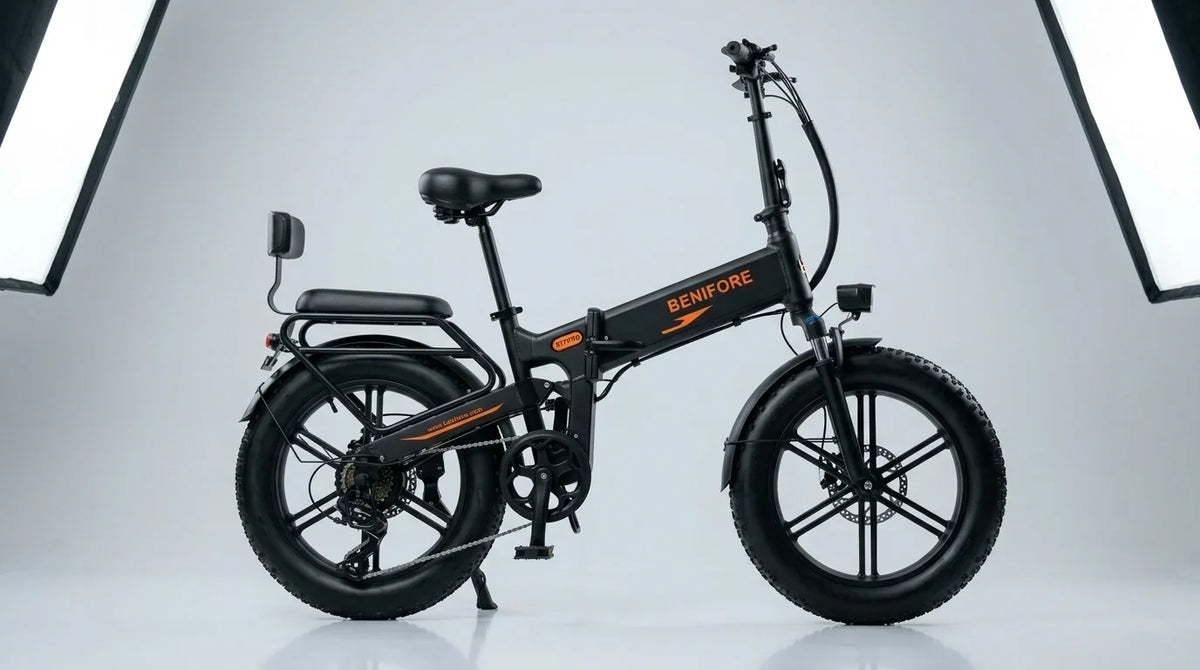
Benifore X1T PRO Battery System Example
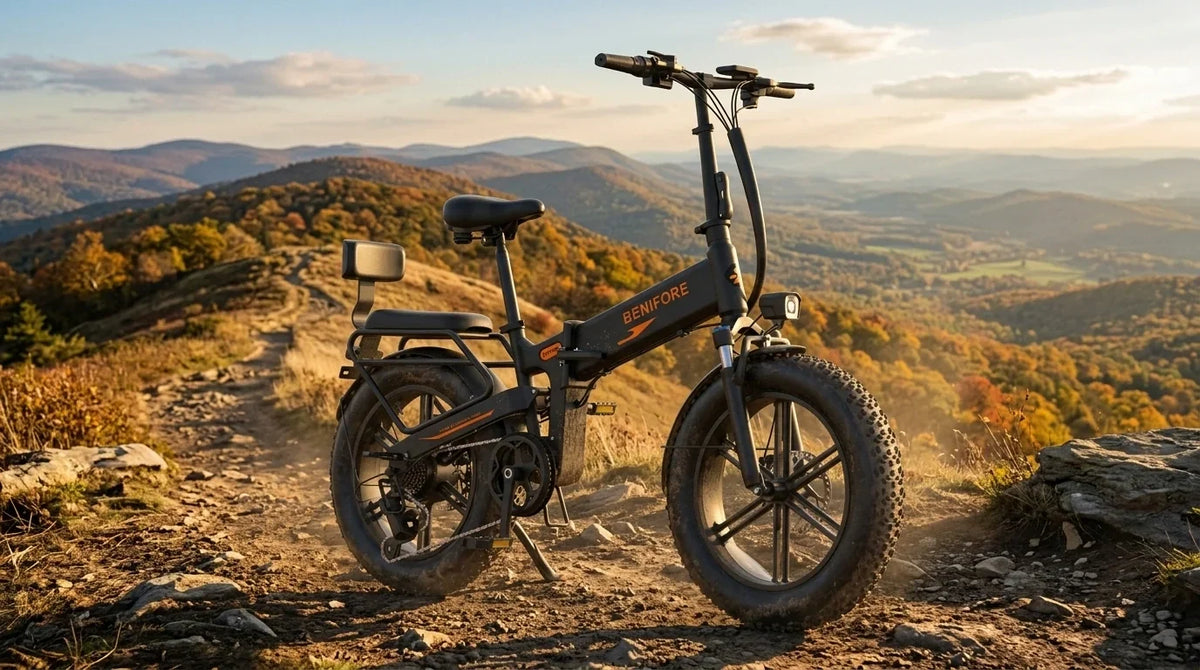
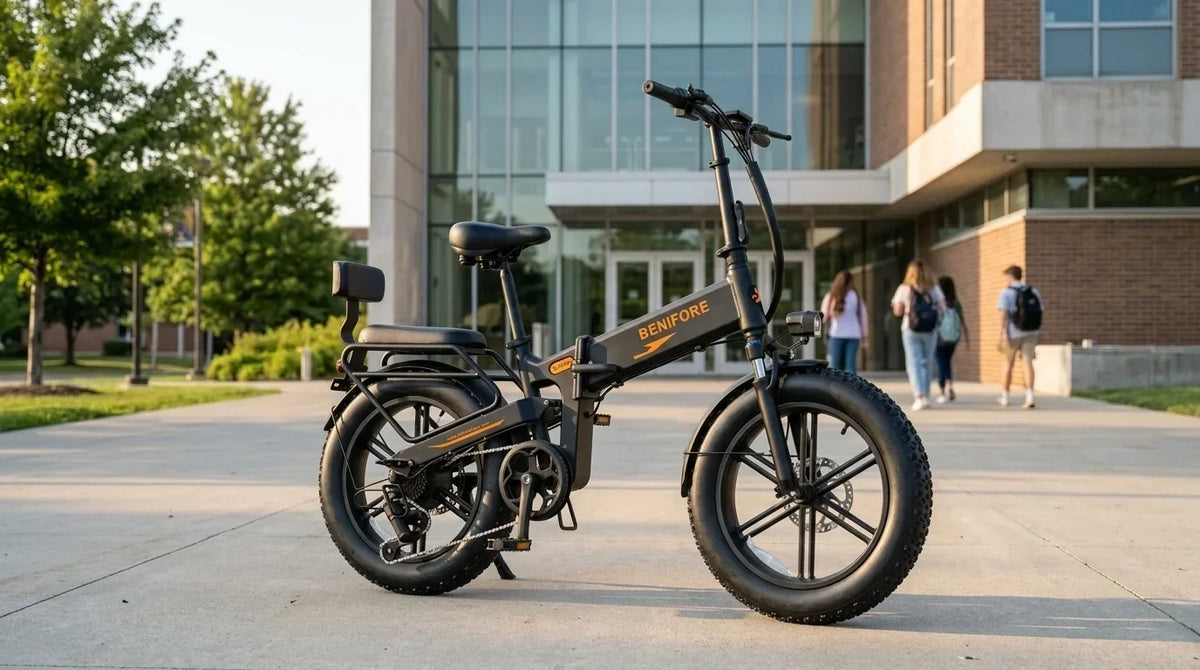
For riders looking for a balance between power, comfort, and long-distance capability, the Benifore X1T PRO uses a performance-focused battery setup designed for American riding conditions.
The X1T PRO features:
- 48V 20Ah battery system
- Up to 65 miles range
- 1500W peak motor
- 85-90Nm torque
- 35 MPH top speed
- 20×4.0 fat tires
- Full suspension design
This combination allows riders to enjoy strong acceleration while maintaining the range needed for commuting, outdoor trips, and weekend adventures.
The goal is not simply maximum numbers, but creating a balanced riding experience where power, comfort, and reliability work together.
Final Thoughts: Choosing the Right eBike Battery Matters
The battery is the heart of an electric bike.
When choosing an eBike, riders should look beyond simple range claims and understand:
- Battery voltage
- Battery capacity
- Watt-hours
- Riding conditions
- Long-term reliability
The right battery depends on how you ride.
For daily commuting, weekend exploration, or outdoor adventures, choosing a properly matched battery system can make the difference between an average ride and a truly enjoyable electric bike experience.
A well-designed electric bike combines battery technology, motor performance, comfort features, and practical usability to create a better way to ride.
Share: