




Introduction: Why the Battery Is the Heart of an Electric Bike
When people shop for an electric bike, they often focus on the motor power, top speed, or appearance.
However, one of the most important components of an eBike is often overlooked:
The battery.
The battery determines how far you can ride, how consistently your motor performs, and how enjoyable your riding experience will be.
A powerful motor without a reliable battery cannot deliver its full potential. Likewise, a large battery with poor design may not provide the real-world performance riders expect.
For American riders using electric bikes for commuting, weekend adventures, camping, fishing, or long-distance exploration, understanding battery technology is essential.
Choosing the right electric bike battery means understanding:
- Voltage
- Amp hours (Ah)
- Watt hours (Wh)
- Battery capacity
- Charging habits
- Riding conditions
- Battery lifespan
This guide explains everything riders need to know before choosing an electric bike battery in 2026.
How Does an Electric Bike Battery Work?
An electric bike battery stores electrical energy and provides power to the motor system.
When you use the throttle or pedal assist, the battery sends energy to the motor controller, which determines how much power is delivered.
The basic process is:
Battery → Controller → Motor → Wheel Power
A high-quality battery allows:
- Consistent motor performance
- Longer riding distance
- Better hill climbing ability
- More reliable daily use
Most modern electric bikes use lithium-ion batteries because they provide:
- Higher energy density
- Longer lifespan
- Lower weight
- Better charging efficiency
Compared with older battery technologies, lithium-ion batteries have become the standard choice for performance electric bikes.
Understanding Electric Bike Battery Voltage
One of the first numbers riders see is battery voltage.
Common eBike battery options include:
- 36V
- 48V
- 52V
- 72V
Voltage affects how much electrical force the battery can provide to the motor.
A higher voltage system can help an electric bike deliver:
- Faster acceleration
- Better hill climbing
- More consistent power
36V Battery Systems
36V batteries are commonly found on entry-level electric bikes.
They are suitable for:
- Flat roads
- Short commuting
- Lower-speed riding
48V Battery Systems
A 48V battery is one of the most popular choices for adult electric bikes.
It provides a balance between:
- Performance
- Efficiency
- Riding range
For many American riders, a 48V system offers enough power for:
- City riding
- Hills
- Longer recreational trips
- Mixed terrain
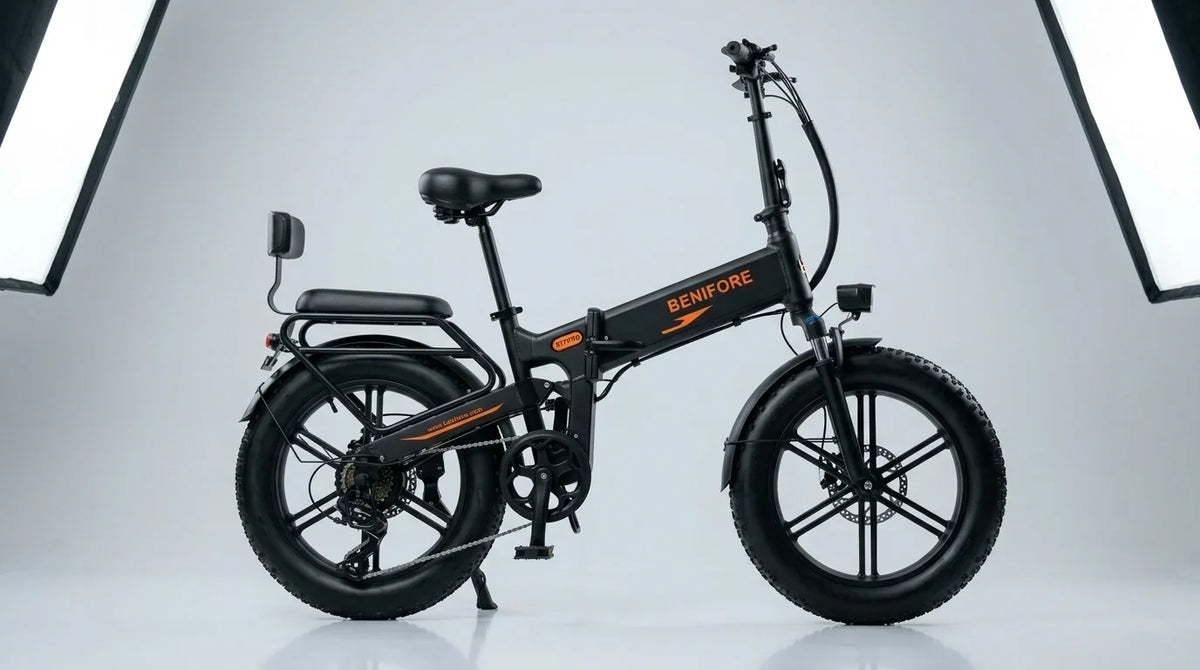
The Benifore X1T PRO uses a 48V battery system designed to support powerful performance while maintaining practical riding range.
What Does Ah Mean on an Electric Bike Battery?
Another important battery specification is Amp Hours (Ah).
Ah measures battery capacity.
Simply explained:
A higher Ah number usually means the battery can store more energy.
For example:
A 48V 10Ah battery stores less energy than a 48V 20Ah battery.
A larger battery capacity can provide:
- Longer riding distance
- Less frequent charging
- Better support for longer trips
However, battery range depends on many factors:
- Rider weight
- Speed
- Terrain
- Weather
- Tire pressure
- Assist level
This is why advertised range numbers should always be viewed as estimates rather than guarantees.
Understanding Watt Hours (Wh): The Best Way to Compare Batteries
Many riders compare batteries only by voltage and Ah.
However, Watt Hours provide a better measurement of total energy capacity.
The formula is:
Voltage × Amp Hours = Watt Hours
For example:
48V × 20Ah = 960Wh
A larger Wh number generally means more stored energy.
When comparing two electric bikes, looking at watt hours can help you understand which battery actually has more capacity.
How Far Can an Electric Bike Battery Really Go?
Many riders ask:
“How many miles can an electric bike battery last?”
The answer depends on real-world conditions.
Factors affecting range include:
1. Riding Speed
Higher speeds require more energy.
A rider traveling at maximum speed will usually use more battery power than someone using moderate pedal assist.
2. Rider Weight
Heavier loads require more energy, especially when:
- Starting
- Climbing hills
- Riding on uneven terrain
3. Terrain
Flat roads consume less energy.
Hills, trails, and rough surfaces require more motor assistance.
4. Assist Level
Using throttle-only riding generally consumes more battery than lower pedal assist levels.
5. Tire Type
Fat tires provide:
- Better stability
- More comfort
- Better traction
But wider tires can create more rolling resistance compared with narrow commuter tires.
This is why battery capacity must be matched with the bike’s intended purpose.
How Long Does an Electric Bike Battery Last?
A quality lithium-ion eBike battery can typically provide several years of reliable use when properly maintained.
Battery lifespan depends on:
- Charging habits
- Storage conditions
- Temperature
- Usage frequency
Good battery practices include:
Avoid Completely Draining the Battery Frequently
Regularly using a battery from 100% to 0% can increase stress on battery cells.
Keeping the battery within a healthy charging range can help extend lifespan.
Store the Battery Properly
Avoid storing batteries:
- In extreme heat
- In freezing temperatures
- Completely empty for long periods
Use the Correct Charger
Always use the charger designed for your electric bike battery.
Incorrect chargers may affect battery performance and safety.
Removable vs Integrated Electric Bike Batteries
Electric bikes usually use either removable or integrated batteries.
Removable Batteries
Advantages:
- Easier charging
- Convenient storage
- Easier replacement
Many commuters prefer removable batteries because they can charge indoors without moving the entire bike.
Integrated Batteries
Advantages:
- Cleaner appearance
- Better frame integration
- Improved protection
Both designs can provide excellent performance when properly engineered.
What Battery Size Is Best for American Riders?
The best battery depends on your riding style.
Short City Commutes
A smaller battery may be enough for:
- Daily transportation
- Short distances
- Flat roads
Long Distance Riding
Riders who enjoy:
- Weekend trips
- Trails
- Camping
- Outdoor adventures
often benefit from larger battery capacity.
All-Terrain Riding
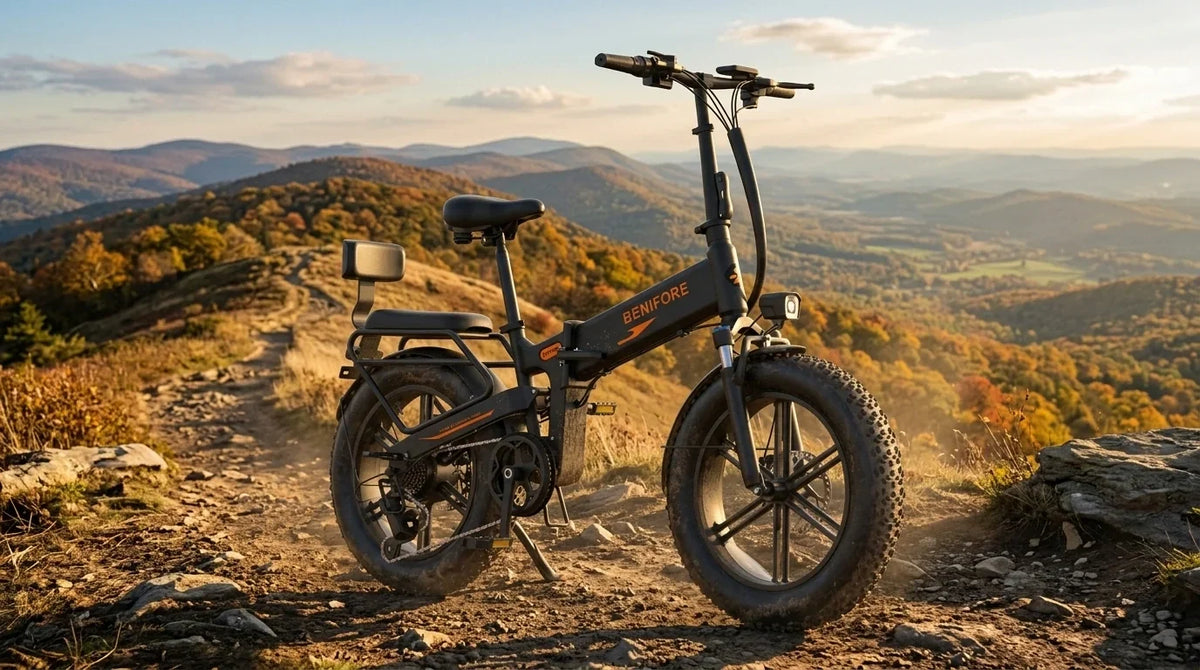
For heavier bikes, powerful motors, and fat tires, a larger battery helps maintain consistent performance.
For example, the Benifore X1T PRO combines:
- 48V 20Ah battery
- 1500W peak motor
- 20×4.0 fat tires
- Full suspension
to provide a balanced setup for riders who want both power and distance.
Common Electric Bike Battery Mistakes to Avoid
Choosing Only Based on Motor Power
A powerful motor requires a capable battery.
High motor output without enough battery capacity can reduce riding efficiency.
Ignoring Battery Quality
Two batteries may have the same specifications but different internal quality.
Important factors include:
- Cell quality
- Battery management system (BMS)
- Safety protection
Buying Too Small a Battery
Some riders choose a smaller battery because it reduces upfront cost.
However, frequent charging and limited range may reduce long-term satisfaction.
How to Choose the Right Electric Bike Battery
Before purchasing an electric bike, consider:
Your Daily Distance
How many miles do you normally ride?
Your Terrain
Do you ride:
- City streets?
- Hills?
- Trails?
- Mixed surfaces?
Your Riding Style
Do you prefer:
- Maximum speed?
- Comfortable cruising?
- Long-distance exploration?
Your Bike Type
A commuter bike and an all-terrain fat tire eBike may require different battery capacities.
The best battery is not always the biggest one.
It is the battery that matches your lifestyle.
Final Thoughts
The battery is one of the most important parts of an electric bike.
Understanding voltage, capacity, watt hours, and real-world factors helps riders make better decisions.
For American riders looking for a versatile electric bike, a well-balanced battery system provides the foundation for comfortable commuting, outdoor adventures, and longer rides.
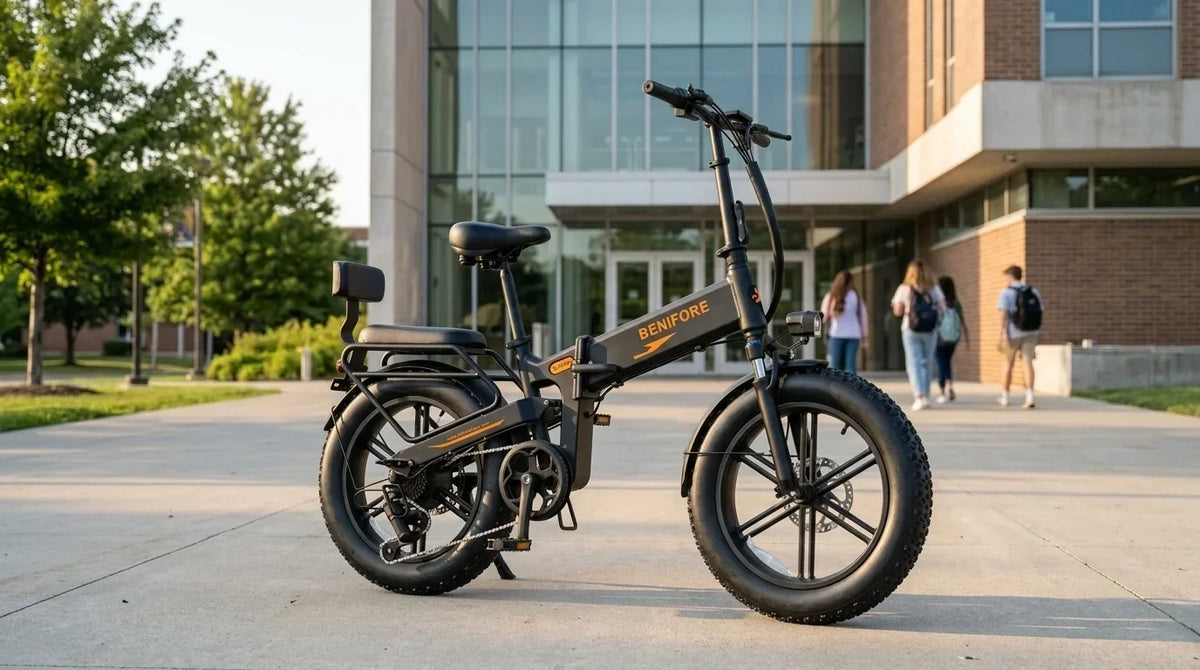
The Benifore X1T PRO uses a 48V 20Ah battery system combined with powerful performance components to deliver the range, reliability, and confidence riders expect from a modern electric bike.
A great eBike experience starts with choosing the right battery.
Share: