




The battery is one of the most important components of any electric bike. It determines how far you can ride, how reliable your eBike feels, and how long your investment can continue performing at its best.
Modern electric bikes use advanced lithium-ion battery technology, offering impressive range and power in a compact design. However, like any energy storage system, proper care and safe usage are essential for maintaining performance and extending battery life.
Whether you ride your electric bike for daily commuting, weekend adventures, camping trips, or recreational riding, understanding battery safety can help you enjoy a more reliable ownership experience.
This guide explains how electric bike batteries work, common mistakes riders should avoid, and practical ways to protect your battery for years of riding.
Why Electric Bike Battery Safety Matters
An eBike battery does much more than provide power.
It directly affects:
- Riding range
- Motor performance
- Charging efficiency
- Long-term ownership cost
A high-quality battery can provide thousands of miles of reliable riding when properly maintained.
However, poor charging habits, extreme temperatures, or improper storage can reduce battery performance over time.
For riders investing in a premium electric bike, battery care is not only about protecting the battery — it is about protecting the entire riding experience.
Understanding Electric Bike Lithium Batteries
Most modern electric bikes use lithium-ion batteries because they offer an excellent balance between:
- Energy capacity
- Weight
- Charging speed
- Durability
Unlike older battery technologies, lithium batteries provide consistent power output and support longer riding distances.
Important battery specifications include:
Voltage
Voltage affects the power delivery capability of the battery system.
Higher voltage systems can provide stronger performance when paired with an efficient motor controller.
Amp Hours (Ah)
Amp hours describe battery capacity.
A larger Ah rating generally means the battery can store more energy and support longer rides.
Watt Hours (Wh)
Watt hours provide a more complete measurement of battery capacity.
It combines voltage and amp hours to estimate total stored energy.
Understanding these specifications helps riders choose an electric bike that matches their riding needs.
1. Use the Correct Charger
One of the simplest ways to protect an electric bike battery is using the correct charger.
Every eBike battery is designed for a specific charging system.
Using an incorrect charger may cause:
- Reduced battery performance
- Charging problems
- Potential safety risks
Best practices include:
- Always use the original charger or manufacturer-approved replacement
- Check charging connections regularly
- Avoid damaged charging cables
- Disconnect the charger after a full charge
Proper charging habits help maintain battery health over the long term.
2. Avoid Extreme Temperatures
Temperature has a major impact on lithium battery performance.
Very high temperatures can accelerate battery aging, while extremely cold conditions can temporarily reduce range.
For better battery protection:
During hot weather:
- Avoid leaving the battery exposed to direct sunlight for long periods
- Store the bike in a shaded area
- Allow the battery to cool before charging
During cold weather:
- Store the battery indoors when possible
- Avoid charging immediately after riding in freezing temperatures
- Allow the battery to return to normal temperature before charging
Temperature management is one of the easiest ways to improve battery lifespan.
3. Store Your eBike Battery Properly
Many riders focus on riding but forget about storage.
Proper storage is especially important during:
- Winter months
- Long vacations
- Periods when the bike is not used frequently
Recommended storage practices:
- Keep the battery in a dry environment
- Avoid completely draining the battery before storage
- Store away from extreme heat or cold
- Check battery levels periodically
A properly stored battery will maintain better performance when you return to riding.
4. Avoid Completely Draining the Battery Frequently
Modern lithium batteries perform best when they are maintained within a healthy charging range.
Frequently using the battery until it reaches extremely low levels may create additional stress over time.
For everyday riding:
- Recharge before the battery is completely empty
- Avoid leaving a fully depleted battery unused for extended periods
- Maintain regular charging habits
This is especially important for riders who depend on their eBike for commuting or long-distance trips.
5. Keep Battery Connections Clean
Battery connections play an important role in reliable power delivery.
Over time, dirt, moisture, and debris can affect electrical connections.
Regular maintenance includes:
- Checking connection points
- Keeping contact areas clean
- Protecting the battery area from excessive moisture
A clean connection system helps maintain consistent performance between the battery and motor.
6. Plan Your Riding Range Realistically
Battery range depends on many real-world factors.
Manufacturers often provide estimated range numbers under ideal conditions, but actual riding distance can vary.
Factors affecting range include:
- Rider weight
- Riding speed
- Terrain
- Wind conditions
- Tire pressure
- Riding mode
- Temperature
For example, riding at higher speeds requires more energy than relaxed pedal-assist riding.
Understanding these factors helps riders plan better trips and avoid unexpected battery limitations.
Battery Care for Long-Range Electric Bikes
Long-range electric bikes are designed for riders who want more freedom and fewer charging interruptions.
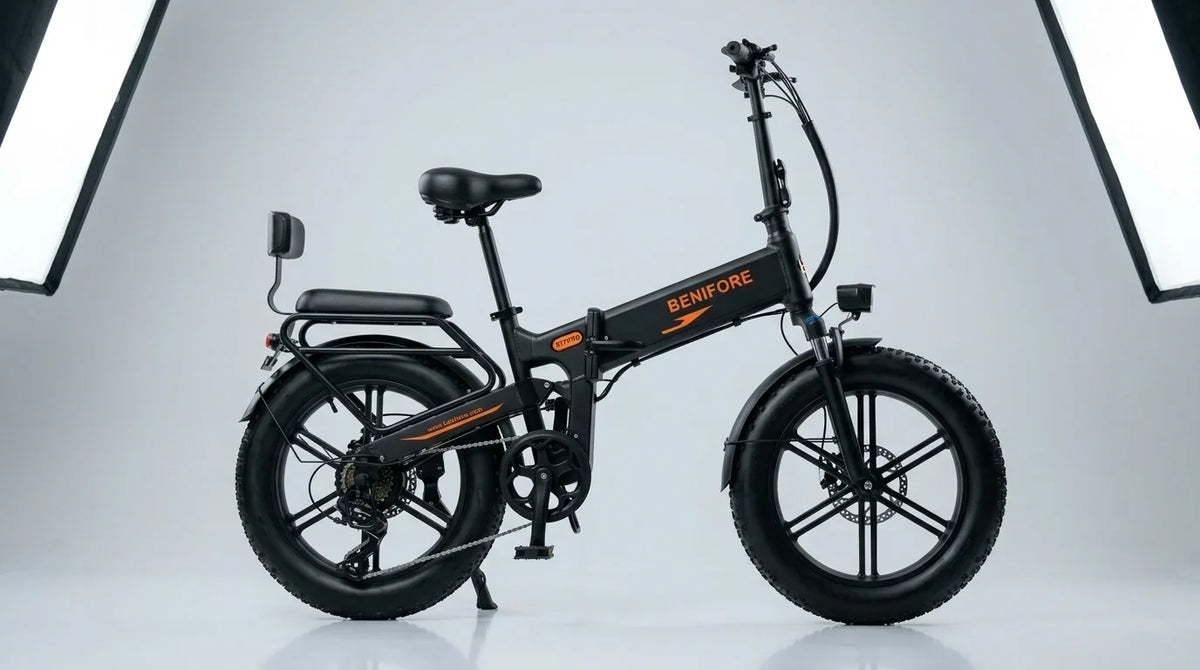
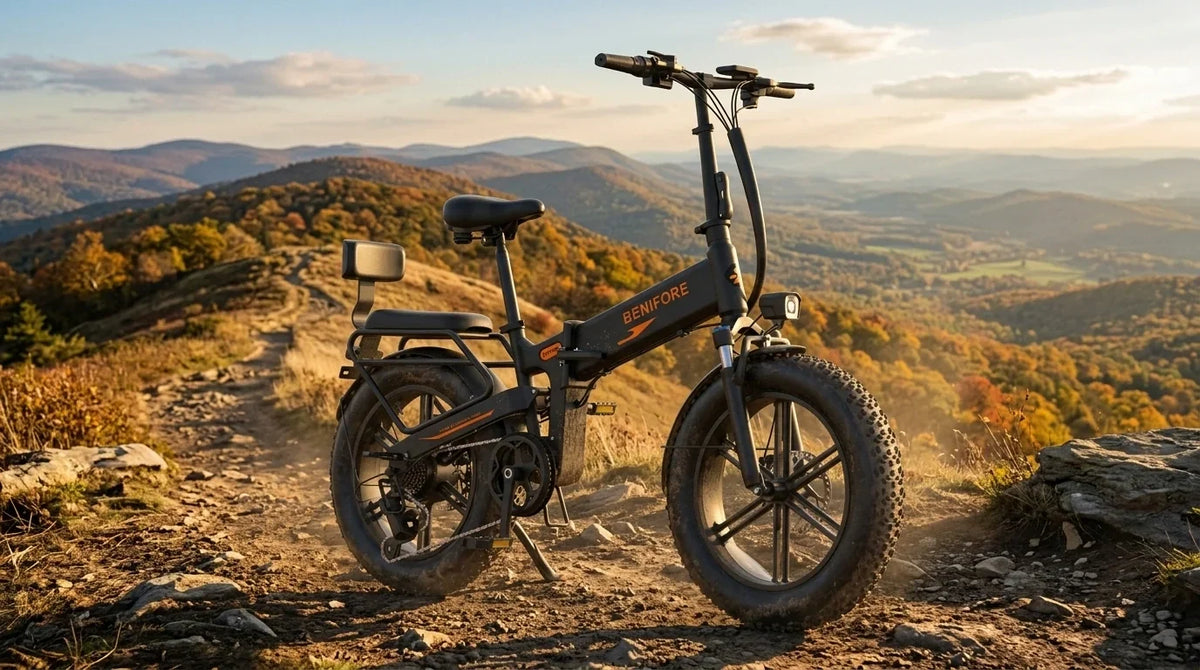
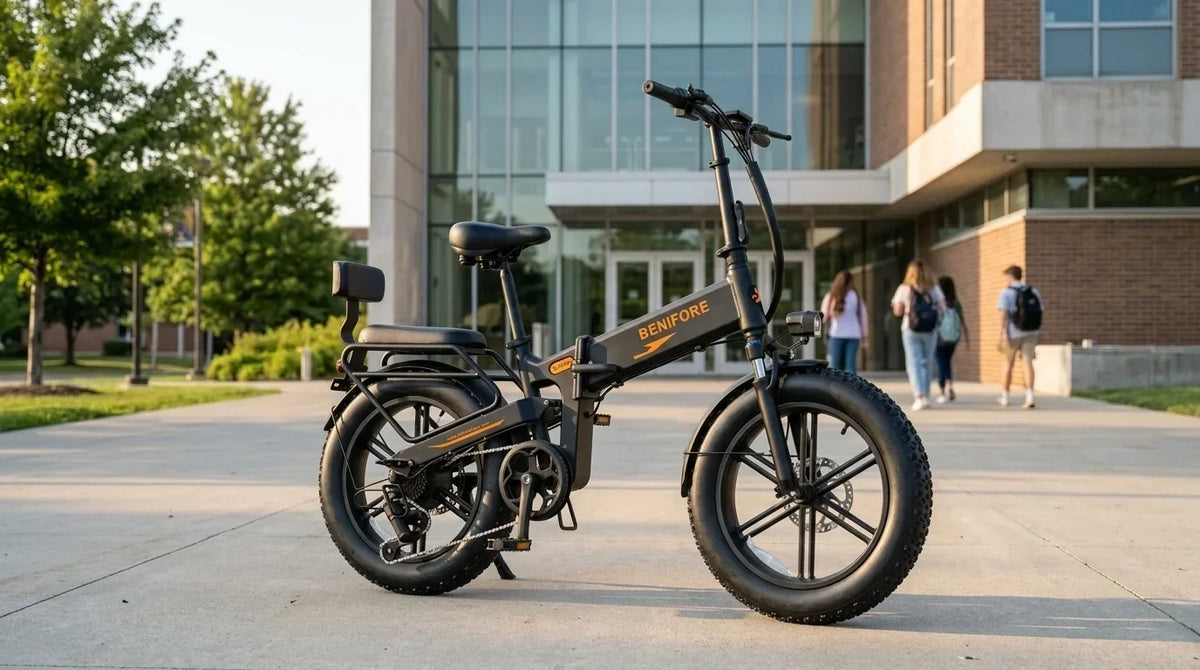
The Benifore X1T PRO uses a 48V 20Ah battery system designed to support extended riding distances, with up to 65 miles of range depending on riding conditions.
Combined with:
- 1500W peak motor performance
- 85-90Nm torque
- 20×4.0 fat tires
- Full suspension comfort
the X1T PRO is built for riders who want reliable performance across commuting, outdoor exploration, and weekend adventures.
However, even a high-capacity battery performs best when riders follow proper charging and storage practices.
Common Electric Bike Battery Mistakes to Avoid
Many battery problems come from simple daily habits.
Avoid these common mistakes:
Leaving the battery empty for months
Long-term storage at zero charge can reduce battery health.
Charging in extreme temperatures
Very hot or very cold environments are not ideal for charging.
Ignoring unusual battery behavior
If you notice unusual charging behavior, reduced performance, or physical damage, inspection is recommended.
Using unofficial chargers
Incorrect charging equipment may affect battery safety and performance.
How Long Should an Electric Bike Battery Last?
Battery lifespan depends on:
- Battery quality
- Charging habits
- Riding conditions
- Maintenance
With proper care, many quality lithium-ion eBike batteries can provide years of reliable service.
The goal is not only maximizing battery lifespan but maintaining consistent riding performance throughout ownership.
Final Thoughts: Protect Your Battery, Protect Your Ride
An electric bike battery is one of the most valuable components of your eBike.
Simple habits such as proper charging, safe storage, and temperature management can significantly improve battery reliability.
For riders who depend on their electric bike for commuting, outdoor adventures, and everyday transportation, battery care ensures a smoother and more enjoyable experience.
A powerful electric bike is not only defined by motor performance or speed. Long-term reliability begins with taking care of the technology that powers every ride.
Share: