




Electric Bike Brakes Explained: How eBike Braking Systems Work in 2026
When choosing an electric bike, many riders focus on motor power, battery range, and top speed. These specifications are important, but one of the most critical parts of an eBike is often overlooked:
The braking system.
An electric bike is heavier and more powerful than a traditional bicycle. With larger batteries, stronger motors, higher speeds, and heavier frames, riders need reliable braking performance to stay confident in different riding conditions.
Whether you are commuting through city streets, exploring gravel roads, riding trails, or carrying extra gear, a quality braking system plays an essential role in safety, control, and overall riding experience.
Understanding how electric bike brakes work can help you choose an eBike that provides the right balance of performance and confidence.
Why Electric Bike Brakes Matter More Than Traditional Bicycle Brakes
Electric bikes are different from traditional bicycles in several important ways.
A typical eBike may have:
- A heavier frame
- A larger battery system
- A more powerful motor
- Higher riding speeds
- Additional cargo capacity
Because of these differences, the braking system must handle more energy during stopping.
For example, an electric bike traveling at higher speeds carries more momentum than a standard bicycle. When a rider needs to slow down quickly, the brakes must provide consistent stopping power without losing control.
A good eBike braking system helps riders:
- Stop smoothly
- Maintain stability
- Control speed downhill
- Handle changing weather conditions
- Ride confidently on different surfaces
Different Types of Electric Bike Brakes
Electric bikes commonly use several types of braking systems.
The most common options include:
- Mechanical disc brakes
- Hydraulic disc brakes
- Rim brakes
Each system has different advantages depending on riding style, terrain, and performance expectations.
Mechanical Disc Brakes: Simple and Reliable
Mechanical disc brakes use a cable system to activate the brake pads.
When the rider pulls the brake lever, the cable moves and pushes the brake pads against the rotor.
Advantages of Mechanical Disc Brakes
Mechanical disc brakes are popular because they are:
- Easy to maintain
- Affordable
- Simple to repair
- Widely available
They can work well for:
- Casual riders
- Short-distance commuting
- Lower-speed electric bikes
However, as eBikes become more powerful and heavier, some riders prefer stronger braking systems for additional confidence.
Hydraulic Disc Brakes: More Control and Power
Hydraulic disc brakes use fluid pressure instead of mechanical cables.
When the rider pulls the brake lever, hydraulic fluid transfers pressure to the brake calipers.
This creates a smoother and more powerful braking experience.
Benefits of Hydraulic Disc Brakes
Hydraulic brakes provide:
Stronger stopping performance
They can generate more consistent braking force, especially for heavier electric bikes.
Better control
Hydraulic systems allow riders to adjust braking pressure more precisely.
Less hand fatigue
Because hydraulic systems require less effort from the rider, they are comfortable during longer rides.
Better performance in demanding conditions
For riders who frequently encounter:
- Hills
- Trails
- Wet roads
- Long downhill sections
hydraulic brakes can provide additional confidence.
How Electric Bike Weight Affects Braking Performance
One factor many first-time buyers overlook is weight.
Electric bikes are generally heavier because of:
- Motor systems
- Battery packs
- Stronger frames
- Suspension components
A heavier bike requires more braking force to slow down safely.
This is especially important for riders who:
- Carry backpacks
- Transport equipment
- Ride with passengers
- Explore uneven terrain
A well-designed braking system should match the overall capability of the bike.
A powerful motor without sufficient braking performance creates an unbalanced riding experience.
The best electric bikes are designed as complete systems where:
- Motor power
- Tires
- Suspension
- Frame strength
- Brakes
work together.
How Fat Tires Improve Braking Control
Many modern all-terrain electric bikes use wide fat tires.
Fat tires are popular because they provide:
- More road contact
- Better stability
- Improved traction
- Greater comfort
During braking, tire grip plays an important role.
Even the strongest brakes cannot perform effectively if the tires cannot maintain contact with the riding surface.
Fat tires can help riders maintain control when riding on:
- Gravel
- Dirt roads
- Sand
- Wet pavement
- Uneven terrain
This is one reason fat tire electric bikes have become popular among American outdoor riders.
Braking Performance in Different Riding Situations
City Commuting
Urban riding requires frequent acceleration and stopping.
Good brakes help riders handle:
- Traffic lights
- Pedestrians
- Intersections
- Unexpected obstacles
A responsive braking system improves everyday confidence.
Mountain and Hill Riding
Hill riding places additional stress on brakes.
When descending, riders need consistent braking performance to control speed.
Important factors include:
- Brake strength
- Heat management
- Tire traction
- Rider control
Trail and Outdoor Riding
Outdoor environments often include unpredictable surfaces.
Riders may encounter:
- Loose gravel
- Mud
- Rocks
- Uneven paths
A reliable braking system helps maintain control when conditions change quickly.
How Often Should You Check Electric Bike Brakes?
Regular brake inspection is an important part of eBike ownership.
Riders should check:
Brake pads
Brake pads naturally wear over time.
Signs of worn brake pads include:
- Reduced stopping power
- Squeaking sounds
- Longer stopping distance
Brake rotors
The rotor should remain:
- Straight
- Clean
- Free from damage
Brake cables or hydraulic systems
Mechanical systems require cable adjustments.
Hydraulic systems may need occasional fluid maintenance depending on usage.
Common Electric Bike Brake Problems
Weak braking power
Possible causes:
- Worn brake pads
- Dirty rotors
- Incorrect adjustment
Brake noise
Common reasons include:
- Contaminated brake surfaces
- Worn components
- Misalignment
Uneven braking
This may happen when:
- Brake pads wear unevenly
- Rotors are damaged
- Components need adjustment
Regular maintenance can prevent many braking issues and keep the riding experience smooth.
What Makes a Good Electric Bike Braking System?
When evaluating an electric bike, consider:
1. Bike weight
Heavier bikes require stronger braking capability.
2. Motor power
Higher-performance motors should be paired with reliable brakes.
3. Riding environment
Trail riders and hill riders typically need stronger braking performance than casual riders.
4. Tire size
Tire traction affects how effectively a bike can slow down.
5. Maintenance requirements
Choose a braking system that matches your ability and riding habits.
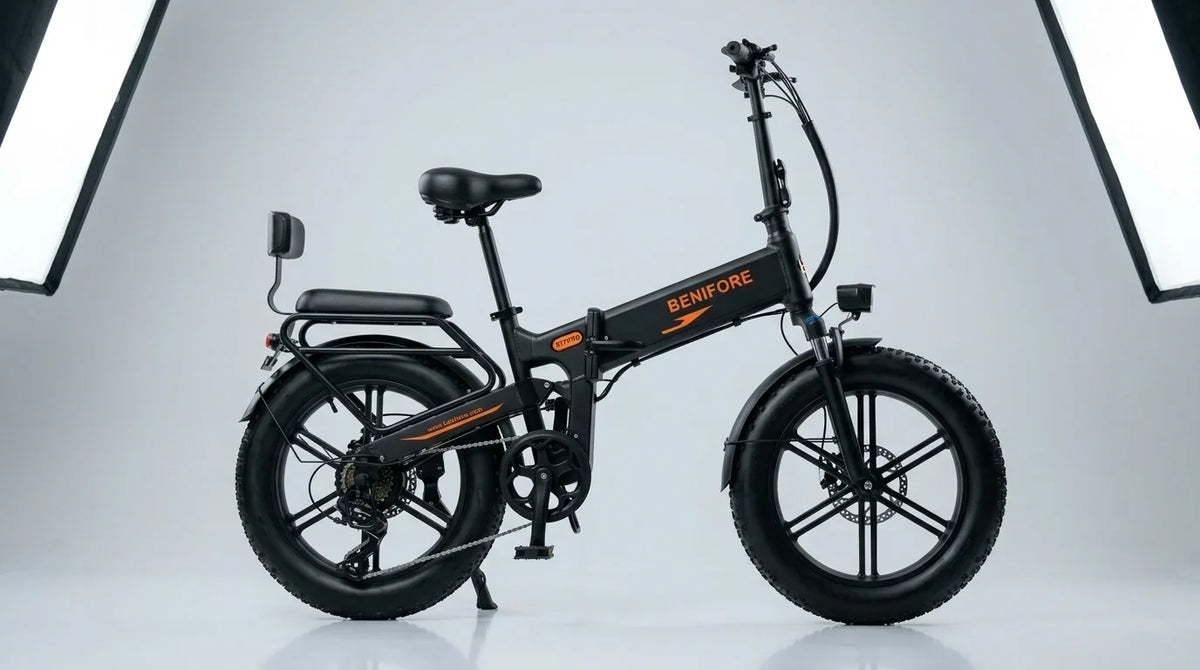
How Benifore X1T PRO Is Designed for Confident Riding
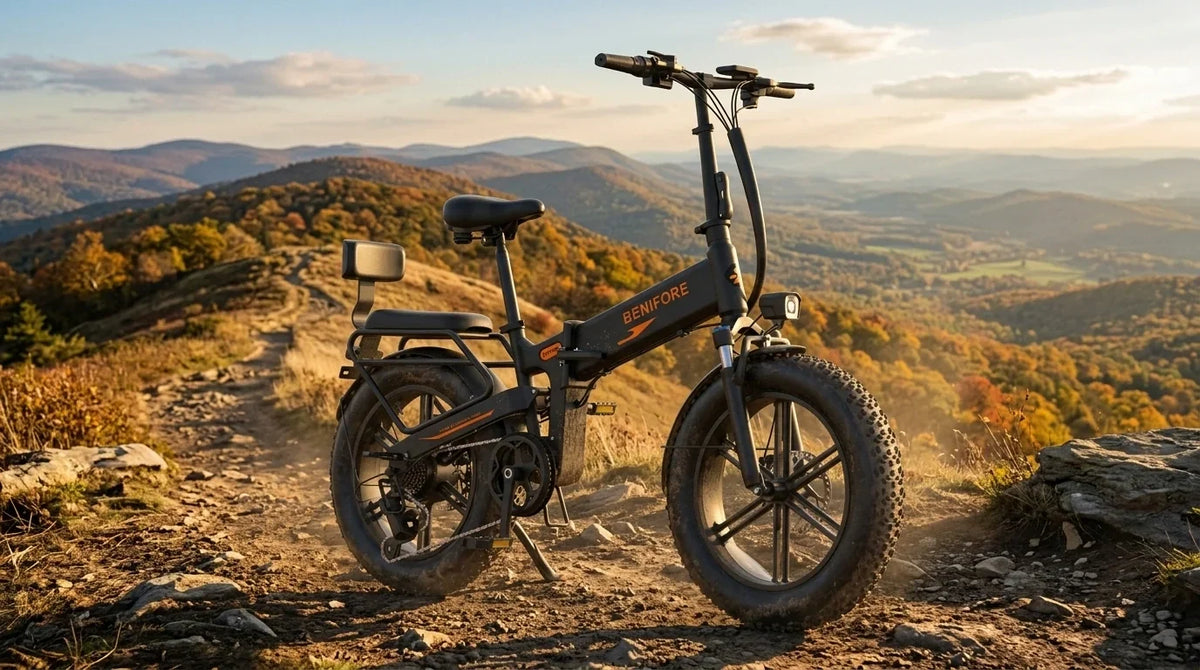
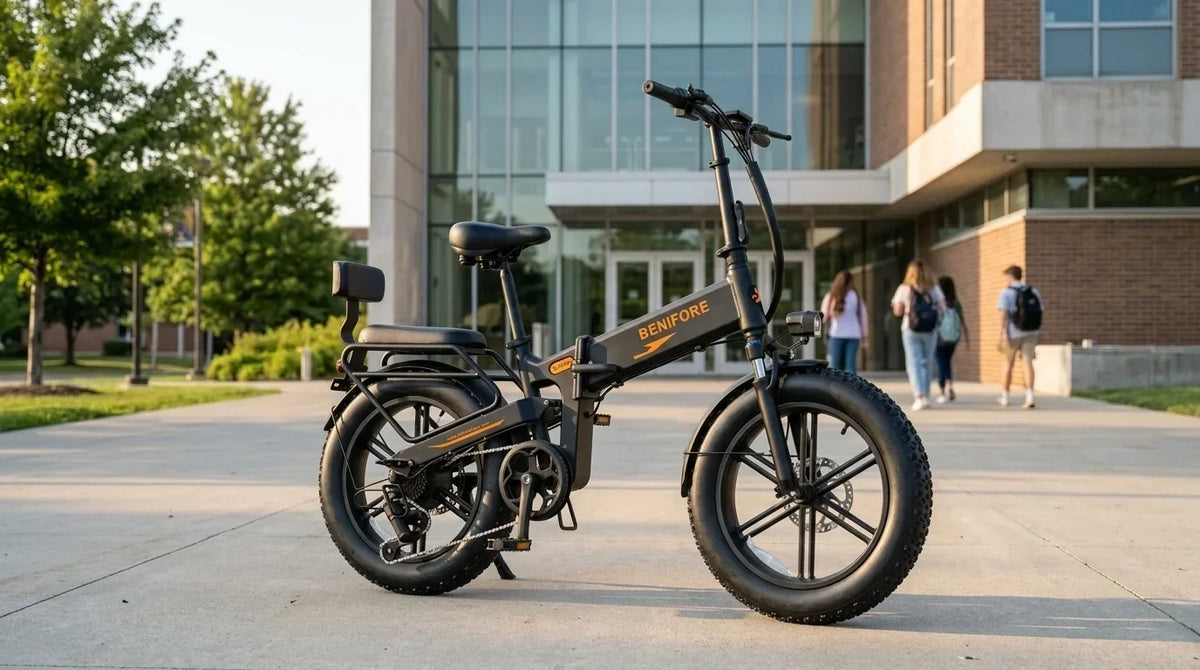
The Benifore X1T PRO was designed for riders who want power, comfort, and control in real-world conditions.
Its performance-focused design includes:
- 1500W peak motor
- 85-90Nm torque
- 35 MPH top speed
- 20×4.0 fat tires
- Full suspension system
- High-capacity frame design
These components work together to create a balanced riding experience.
A powerful electric bike is not only about acceleration. Confidence comes from the complete system:
- Power when you need it
- Stability during riding
- Comfort over long distances
- Control when slowing down
Final Thoughts
Brakes are one of the most important components of an electric bike.
While many buyers focus on speed, battery range, and motor power, braking performance directly affects safety and riding confidence.
A quality eBike should provide a balanced combination of:
- Motor capability
- Battery performance
- Tire traction
- Suspension comfort
- Reliable braking control
Understanding how electric bike brakes work helps riders make smarter purchasing decisions and enjoy a safer riding experience.
Share: