




Electric Bike Classes Explained: Class 1 vs Class 2 vs Class 3 eBikes: What Riders Need to Know in 2026
Electric bikes have become one of the fastest-growing transportation choices in the United States. From daily commuting and weekend adventures to camping trips and neighborhood rides, more riders are choosing eBikes because they provide the freedom of cycling with additional electric assistance.
However, many first-time buyers discover an important question before purchasing:
What do electric bike classes actually mean?
Unlike traditional bicycles, electric bikes are often categorized by their motor assistance system, speed capability, and throttle function. Understanding these classifications helps riders choose a bike that matches their riding style, local regulations, and personal needs.
Whether you are looking for a comfortable commuter, an outdoor adventure bike, or a powerful all-terrain eBike, knowing the difference between Class 1, Class 2, and Class 3 electric bikes can make the buying decision much easier.
What Are Electric Bike Classes?
Electric bike classes are a way to describe how an eBike provides electric assistance.
In the United States, most electric bikes fall into three common categories:
- Class 1 electric bikes
- Class 2 electric bikes
- Class 3 electric bikes
The main differences include:
- How the motor activates
- Whether a throttle is available
- Maximum assisted speed
- Intended riding scenarios
Understanding these differences is especially important because different states, cities, parks, and bike trails may have their own rules regarding eBike usage.
Class 1 Electric Bike: Pedal Assist Only
A Class 1 electric bike uses pedal assistance only.
This means:
- The motor activates when the rider pedals
- There is usually no throttle
- Electric assistance stops at a specific speed limit
Class 1 eBikes are popular among riders who want a traditional cycling experience with extra support.
Benefits of Class 1 eBikes
Class 1 electric bikes are often chosen for:
Fitness and exercise
Because riders still need to pedal, Class 1 bikes provide a more traditional cycling experience while reducing fatigue.
Bike path compatibility
Many areas consider Class 1 bikes easier to integrate into existing bicycle infrastructure.
Natural riding feel
The motor assistance feels smooth because power increases based on rider input.
However, some riders may prefer additional assistance when climbing hills, carrying heavier loads, or traveling longer distances.
Class 2 Electric Bike: Pedal Assist Plus Throttle Control
Class 2 electric bikes include a throttle system.
This allows riders to activate motor power without pedaling.
Depending on the bike design, the throttle may be controlled through:
- A thumb throttle
- A twist throttle
- A button system
Why Riders Choose Class 2 eBikes
Throttle capability provides additional convenience in real-world situations.
For example:
Starting from a stop
Heavy bikes can require more effort when starting from traffic lights or uphill positions. A throttle can provide extra assistance.
Reducing fatigue
During longer rides, riders may appreciate having the option to use motor power without constant pedaling.
Carrying additional weight
For riders carrying gear, groceries, or outdoor equipment, throttle assistance can make riding easier.
Class 2 eBikes are especially popular among recreational riders who want flexibility.
Class 3 Electric Bike: Higher Speed Performance
Class 3 electric bikes are designed for riders who want higher assisted speeds.
These bikes typically provide pedal assistance up to higher speed limits compared with Class 1 and Class 2 models.
They are often selected by riders who need:
- Faster commuting
- Longer-distance riding
- More efficient transportation
Who Should Consider a Class 3 eBike?
Class 3 electric bikes can be a good choice for:
Longer commutes
A higher assisted speed can help riders reduce travel time.
Open roads and bike lanes
Riders who frequently travel longer distances may benefit from additional performance.
Experienced cyclists
People already comfortable with cycling may prefer the additional capability.
However, riders should always check local regulations because Class 3 access can vary depending on location.
Class 1 vs Class 2 vs Class 3 Electric Bike Comparison
| Feature | Class 1 | Class 2 | Class 3 |
|---|---|---|---|
| Pedal Assist | Yes | Yes | Yes |
| Throttle | Usually No | Yes | Depends on regulations |
| Speed Capability | Lower | Medium | Higher |
| Riding Style | Fitness & casual riding | Flexible everyday riding | Performance & commuting |
| Best For | Traditional cycling feel | Convenience | Faster transportation |
Which Electric Bike Class Is Best for Adults?
The best electric bike class depends on how you plan to ride.
There is no single option that works perfectly for every rider.
For casual riders
A Class 1 eBike may provide enough assistance for:
- Neighborhood rides
- Light exercise
- Short trips
For everyday convenience
A Class 2 eBike is often preferred by riders who want:
- Pedal assistance
- Throttle support
- More flexibility
For performance-focused riders
A Class 3 eBike may better match riders who prioritize:
- Higher speeds
- Longer distances
- Efficient commuting
Many American riders between 35 and 65 years old are looking for a balance between comfort, power, and reliability rather than simply choosing the fastest option.
How Motor Power and Torque Affect Electric Bike Performance
While eBike classes describe assistance systems, they do not tell the complete performance story.
Two electric bikes in the same class can feel completely different because of differences in:
Motor power
Motor wattage influences how much assistance an eBike can provide.
A stronger motor can help riders:
- Climb hills more easily
- Carry heavier loads
- Handle challenging terrain
Torque
Torque is especially important for:
- Acceleration
- Hill climbing
- Carrying additional weight
A bike with strong torque can feel more responsive during real-world riding.
Battery capacity
Battery size affects how far riders can travel before recharging.
Factors that influence range include:
- Rider weight
- Terrain
- Speed
- Weather
- Riding mode
This is why experienced riders look beyond only speed numbers when choosing an electric bike.
Where Does the Benifore X1T PRO Fit?
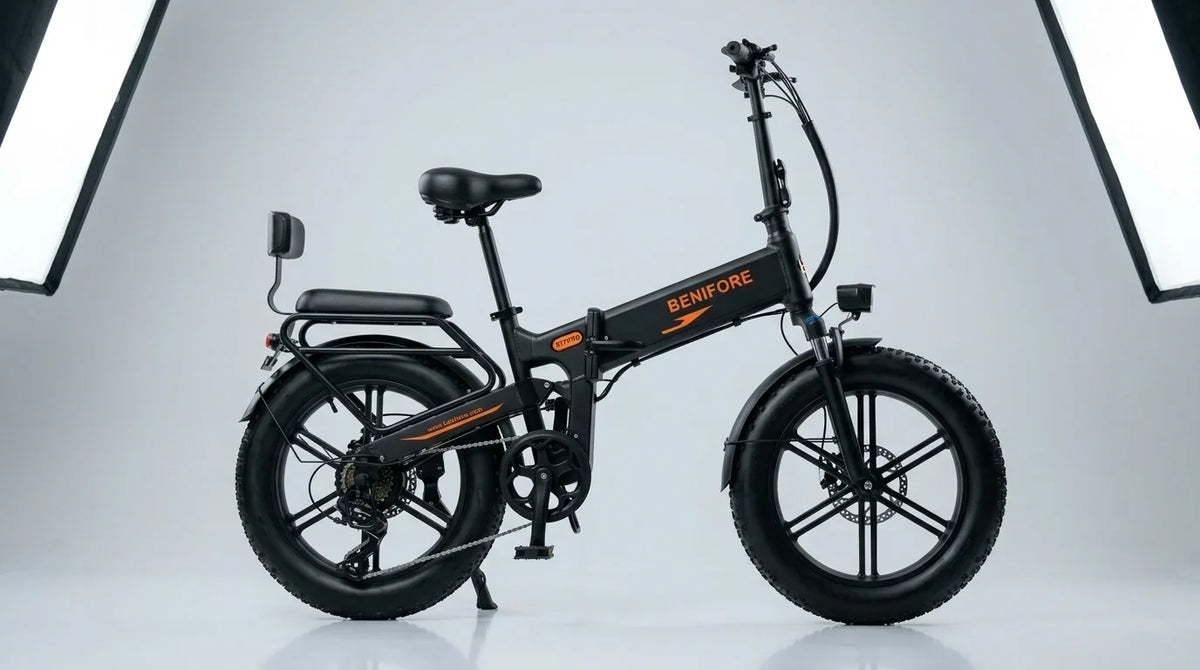
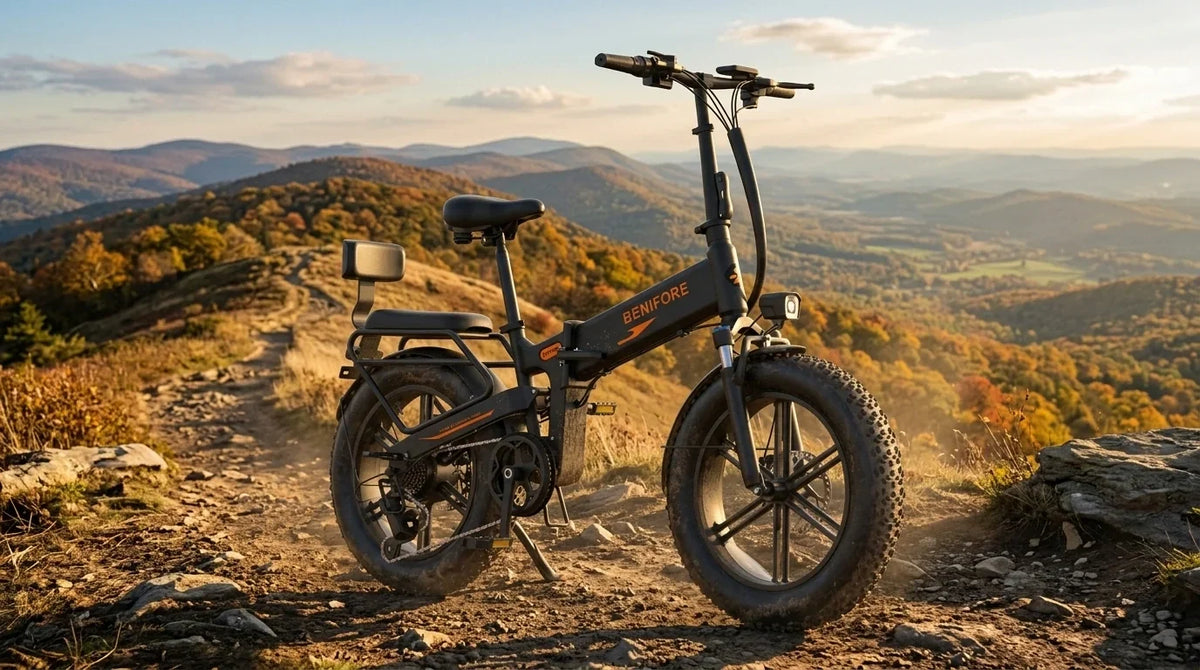
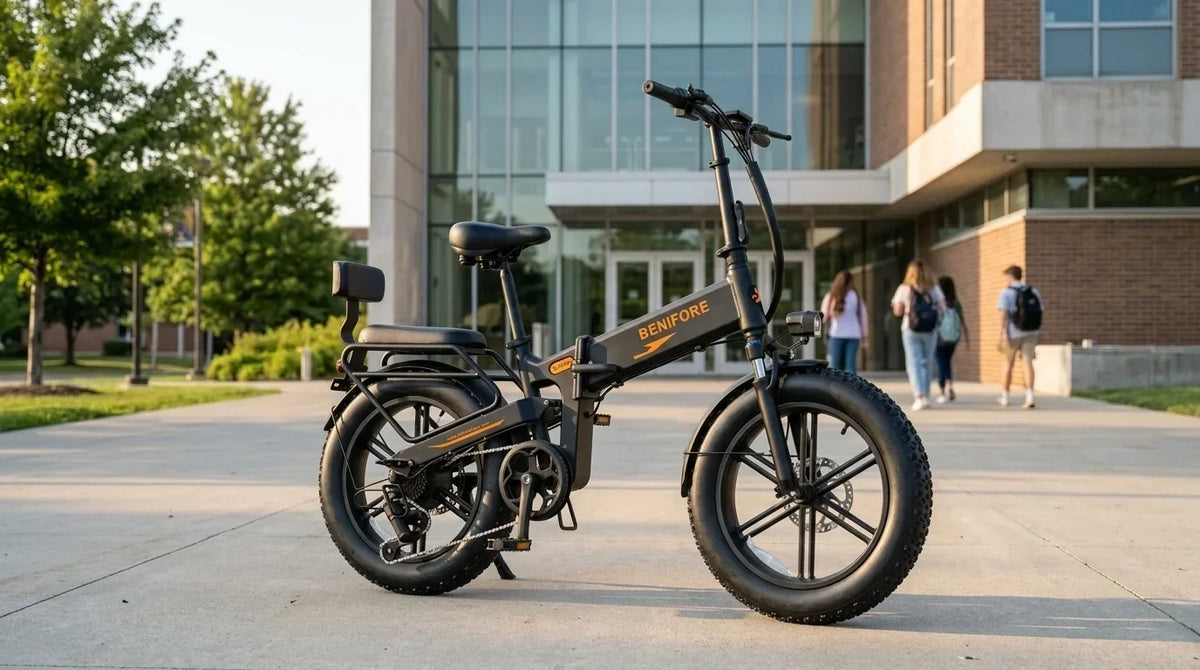
For riders looking for a powerful all-terrain electric bike, the Benifore X1T PRO combines performance-focused components designed for American riding conditions.
The X1T PRO features:
- 1500W peak motor
- 85-90Nm torque
- 48V 20Ah battery
- Up to 65 miles range
- 35 MPH top speed
- 20×4.0 fat tires
- Full suspension system
- High-capacity frame design
These features are designed for riders who want more than basic transportation.
Whether riding through city streets, gravel roads, trails, or outdoor environments, a properly equipped eBike can provide a more comfortable and capable riding experience.
How to Choose the Right Electric Bike Class
Before buying an electric bike, consider these questions:
1. Where will you ride?
Think about:
- City streets
- Bike paths
- Neighborhood roads
- Trails
- Rural roads
Your riding environment should influence your choice.
2. Do you want exercise or convenience?
Some riders want more physical activity, while others want easier transportation.
3. How far do you normally travel?
Longer rides require attention to:
- Battery capacity
- Comfort
- Riding position
- Motor efficiency
4. Do you carry extra weight?
If you regularly carry:
- Gear
- Supplies
- Bags
- Outdoor equipment
A stronger motor and higher torque system may provide a better experience.
Final Thoughts
Understanding electric bike classes is one of the most important steps before purchasing an eBike.
Class 1, Class 2, and Class 3 bikes each serve different types of riders:
- Class 1 focuses on natural pedal-assisted cycling
- Class 2 provides additional throttle convenience
- Class 3 delivers higher-speed assisted riding
The right choice depends on your lifestyle, riding environment, and personal expectations.
For many American riders, the ideal electric bike is not simply the fastest model. It is the one that provides the right combination of power, comfort, reliability, and confidence for everyday use.
Share: