




Electric bikes have become one of the fastest-growing transportation options in the United States. More riders are using eBikes for commuting, outdoor adventures, fitness, and replacing short car trips.
However, before buying or riding an electric bike, many people have important questions:
Are electric bikes legal?
Do you need a license?
How fast can an eBike go?
Can you ride an electric bike on bike paths and trails?
The answers depend on several factors, including motor power, maximum speed, bike classification, and local regulations.
Understanding electric bike laws helps riders choose the right bike, ride with confidence, and enjoy a better ownership experience.
This guide explains the basics of electric bike regulations in the USA and what every rider should know before getting on the road.
Are Electric Bikes Legal in the United States?
Yes, electric bikes are legal throughout most areas of the United States.
Unlike motorcycles or scooters, most electric bikes are classified as bicycles when they meet specific requirements.
The main factors that determine whether an eBike is considered a bicycle include:
- Motor power
- Maximum assisted speed
- Pedal assistance capability
- Local state regulations
Most states follow a three-class electric bicycle system that helps define where and how eBikes can be used.
Understanding the Three Classes of Electric Bikes
One of the most important things for new riders to understand is the eBike classification system.
Electric bikes are commonly divided into:
Class 1 Electric Bikes
Class 1 eBikes provide motor assistance only when the rider pedals.
Typical characteristics:
- Pedal assist only
- Motor assistance up to 20 MPH
- No throttle assistance
These bikes are commonly accepted on many bike paths and shared-use trails.
Class 2 Electric Bikes
Class 2 electric bikes include throttle assistance.
Characteristics:
- Motor can provide power without pedaling
- Maximum assisted speed around 20 MPH
- Designed for easier starting and casual riding
Class 2 bikes are popular among riders who want simple and convenient operation.
Class 3 Electric Bikes
Class 3 eBikes are designed for higher-speed riding.
Characteristics:
- Pedal assistance
- Maximum assisted speed up to 28 MPH in many areas
- Often used by commuters and experienced riders
Because regulations vary by location, riders should always check local rules before riding.
How Electric Bike Speed Affects Regulations
Speed is one of the biggest factors affecting eBike laws.
Many riders are attracted to higher-performance electric bikes because they provide:
- Faster acceleration
- Easier hill climbing
- Better performance with heavier loads
- More confidence on longer rides
However, higher speeds may have different requirements depending on local regulations.
For example, an electric bike capable of reaching higher speeds may have restrictions regarding:
- Bike paths
- Parks
- Multi-use trails
- Certain public areas
Responsible riding means understanding where your electric bike is appropriate.
Are 750W and 1500W Electric Bikes Legal?
Motor power is another common question among eBike buyers.
Many riders search:
"Is a 750W electric bike legal?"
or
"Can I ride a 1500W electric bike legally?"
The answer depends on location.
In the United States, many areas recognize electric bikes with motors around 750W as standard consumer eBikes.
Higher-power models require riders to pay closer attention to local regulations.
However, motor power does not automatically determine how an electric bike should be used.
A powerful motor can provide benefits such as:
- Better hill climbing
- Improved performance for heavier riders
- More comfortable riding on uneven terrain
- Stronger acceleration
The important factor is riding responsibly and following local rules.
Do Electric Bikes Require a License or Registration?
In most states, standard electric bikes do not require:
- Driver's license
- Vehicle registration
- Motorcycle insurance
This is one reason electric bikes have become popular alternatives to cars.
However, requirements can vary depending on:
- State laws
- City regulations
- Bike classification
- Motor specifications
Before riding in a new area, riders should check local transportation rules.
Where Can You Ride an Electric Bike?
Electric bike access depends on location and bike classification.
Common riding areas include:
Roads
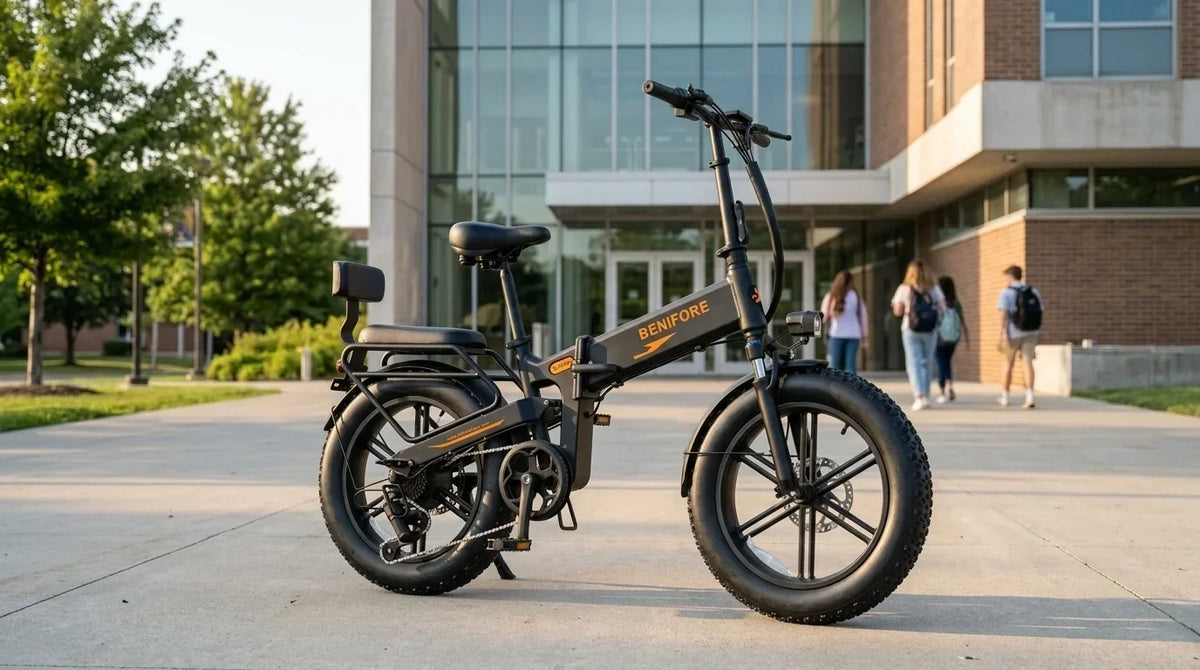
Many electric bikes can be ridden on roads where bicycles are allowed.
Riders should follow:
- Traffic rules
- Speed limits
- Local bicycle regulations
Bike Paths
Access depends on:
- eBike class
- Local regulations
- Trail rules
Some areas allow Class 1 and Class 2 eBikes but restrict higher-speed models.
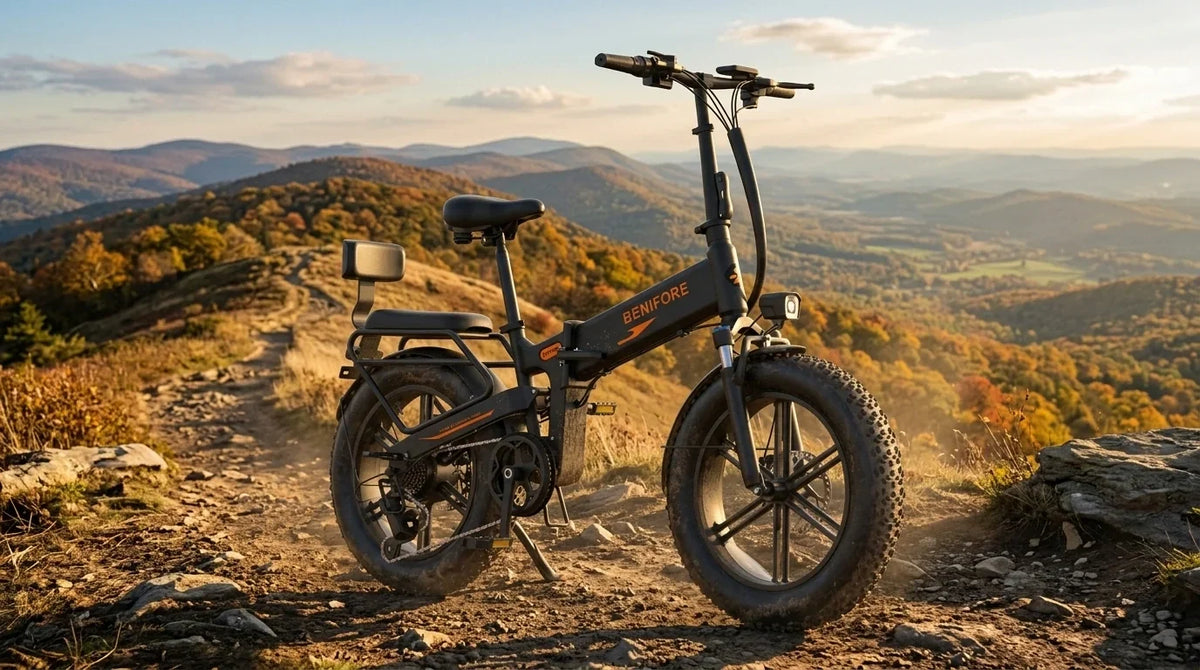
Trails and Outdoor Areas
For riders who enjoy:
- Camping
- Fishing
- Outdoor exploration
- Gravel riding
electric bikes provide a convenient way to travel farther.
However, riders should always confirm whether electric bikes are allowed on specific trails.
Safety Rules Every Electric Bike Rider Should Follow
Even when electric bikes are legal, safe riding habits are essential.
Important safety practices include:
Wear Proper Protection
Recommended equipment:
- Helmet
- Lights
- Reflective gear
- Protective clothing
Understand Your Bike
Before riding, become familiar with:
- Braking distance
- Acceleration
- Riding modes
- Battery level
- Tire pressure
Higher-performance electric bikes require riders to understand how the bike responds.
Respect Other Road Users
Electric bikes share spaces with:
- Cars
- Pedestrians
- Traditional bicycles
- Other outdoor users
Responsible riding helps create a better environment for everyone.
Choosing the Right Electric Bike for Legal and Practical Riding
When choosing an electric bike, riders should consider more than just speed.
Important factors include:
Riding Environment
Where will you ride?
- City streets
- Neighborhood roads
- Bike paths
- Trails
- Mixed terrain
Comfort and Control
A good electric bike should provide:
- Stable handling
- Reliable braking
- Comfortable riding position
- Suitable tires
For example, fat tire electric bikes are popular among American riders because wider tires provide additional stability and comfort on different surfaces.
Performance Needs
Different riders need different performance levels.
A commuter may prioritize efficiency.
An outdoor rider may need:
- More torque
- Longer range
- Better suspension
- Stronger frame
The best electric bike is the one that matches your real riding needs.
How Benifore X1T PRO Fits Modern American Riding Needs
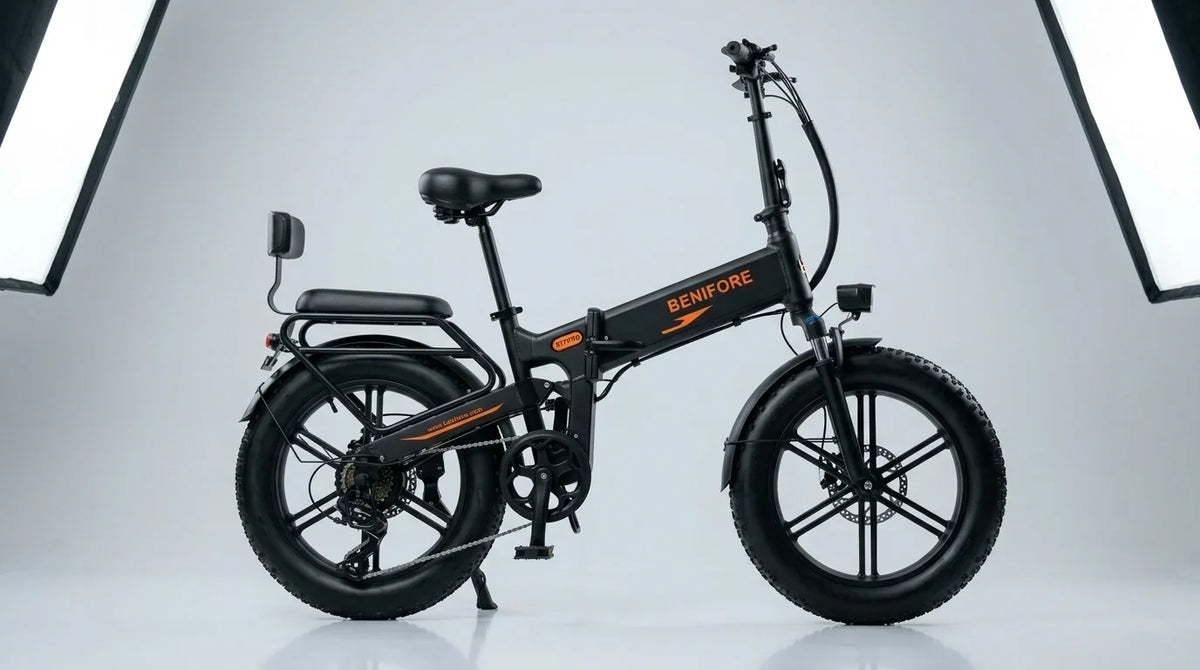
The Benifore X1T PRO was developed for riders who want a powerful and versatile electric bike for everyday use and outdoor adventures.
Key features include:
- 1500W peak motor
- 90Nm torque
- 48V 20Ah battery
- Up to 65 miles range
- 35 MPH top speed
- 20×4.0 fat tires
- Full suspension
- Up to 400 lbs load capacity
These features are designed to support different riding environments, from daily transportation to weekend exploration.
For riders considering a higher-performance electric bike, understanding local regulations and riding responsibly are just as important as choosing the right specifications.
Final Thoughts: Ride Smart and Understand Your Local Rules
Electric bikes provide a practical way to travel, explore, and enjoy outdoor experiences.
Before purchasing an eBike, riders should understand:
- Local regulations
- Speed limitations
- Trail access rules
- Safety requirements
Knowing the rules creates a better riding experience and helps electric bikes continue growing as a trusted transportation option across the United States.
The best electric bike is not only powerful and comfortable — it is one that fits your lifestyle and the places where you plan to ride.
Share: