




Suspension on an electric bike is often treated as a comfort upgrade—something that smooths out bumps and makes longer rides more tolerable. But in real-world use, its role goes far beyond comfort alone. It quietly shapes how the bike behaves under load, how stable it feels at speed, and how much control the rider actually has in unpredictable conditions.
Electric bikes carry more weight and reach higher speeds than traditional bicycles, which means every vibration, impact, and surface irregularity has a greater effect on handling. Suspension is the system that determines how much of that energy reaches the rider—and how much is absorbed before it affects control.
In simpler terms, suspension is not just about how smooth a ride feels. It is about how predictable the bike remains when the road stops being perfect.
On basic setups, often referred to as hardtail designs, only the front of the bike is equipped with suspension. This configuration is lighter and more mechanically efficient, which makes it suitable for smooth pavement and short urban trips. However, once the surface becomes uneven, the rear end of the bike begins to transmit more vibration directly into the frame and rider. Over time, this creates fatigue and slightly reduces stability, especially when riding at higher speeds or carrying additional weight.
Full suspension systems change this behavior fundamentally. By introducing shock absorption at both the front and rear, the bike begins to manage impact energy as a system rather than a single point of contact. Instead of reacting sharply to bumps, the frame stays more composed, allowing the wheels to maintain contact with the ground more consistently.
That consistency is what riders actually feel as “control.” Not softness, not cushioning—but stability under changing conditions.
At higher speeds, this difference becomes even more noticeable. On imperfect road surfaces, small vibrations can subtly influence steering behavior. Without rear suspension, those inputs travel through the frame more directly, making the bike feel slightly more nervous or reactive. With a well-balanced suspension setup, the movement is absorbed earlier in the system, allowing the rider to maintain a more stable line with less correction.
Suspension also does not work in isolation. Its effectiveness depends heavily on tire volume, frame geometry, and how weight is distributed across the bike. Wider tires, for example, already absorb a significant amount of impact energy. When combined with full suspension, the result is not just added comfort—it is a more controlled interaction between the bike and the road surface.
This system-level interaction is why modern performance-oriented e-bikes increasingly integrate suspension as part of the overall design philosophy rather than treating it as an optional feature.
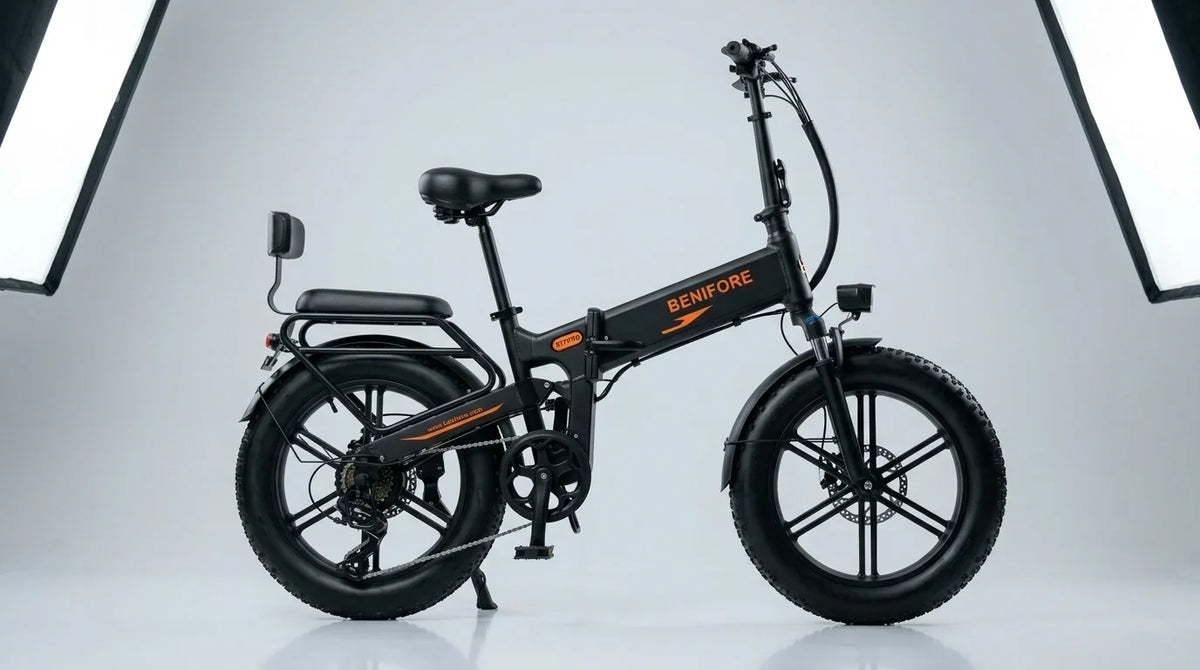
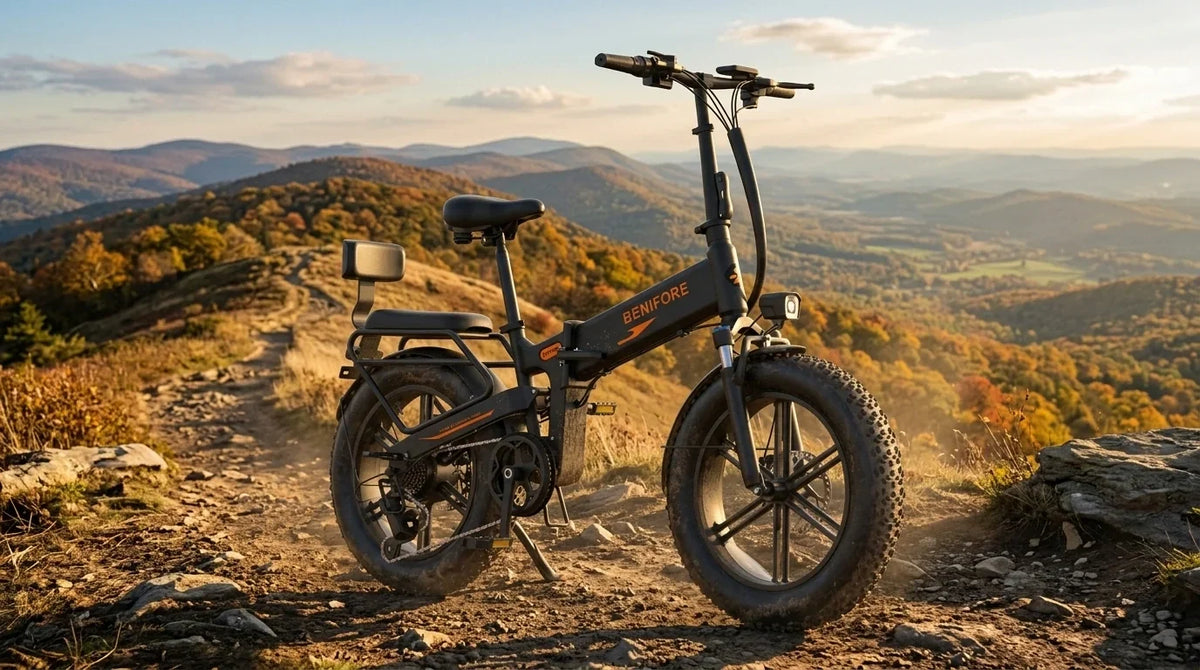
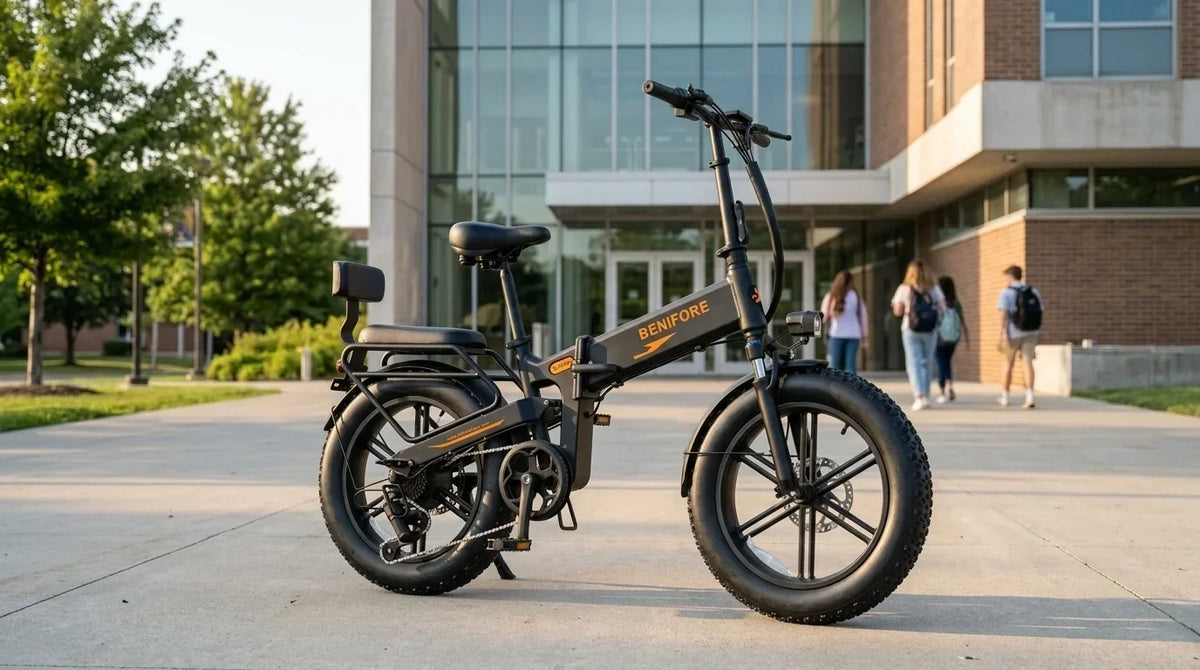
A good example of this integrated approach can be seen in utility-focused platforms like the Benifore X1T PRO, where full suspension is paired with fat tire geometry and a reinforced frame structure. The intention is not simply to make the ride softer, but to maintain stability under varying load conditions and mixed terrain environments. In this configuration, suspension becomes one part of a broader stability system rather than an isolated component.
Ultimately, suspension defines how an electric bike responds when conditions are not ideal. Smooth pavement does not reveal much difference between systems—but real roads always introduce variation. Cracks, uneven asphalt, potholes, and sudden transitions are where suspension either maintains control or allows instability to build.
And that is where its real value becomes clear.
Share: