




The choice between fat tire and standard tire e-bikes is often presented as a style preference.
In reality, it is a performance and environment decision.
Because US riding conditions are not uniform.
They include:
- uneven pavement
- potholes
- gravel paths
- suburban roads
- mixed terrain commuting
This changes the equation significantly.
Standard tires: efficiency over stability
Standard e-bike tires are typically:
- lighter
- more energy efficient
- easier to pedal manually
They perform best in:
- smooth city streets
- short-distance commuting
- controlled environments
But they lose effectiveness when road conditions degrade.
Fat tires: stability over efficiency
Fat tires (such as 20×4.0 setups) prioritize surface contact and balance.
They offer:
- better grip
- improved shock absorption
- increased stability at speed
- more confidence on uneven terrain
The trade-off is slightly higher rolling resistance.
The real difference shows up in daily use
Most riders notice the difference not in speed, but in:
- comfort over time
- control during turns
- stability under load
- confidence in poor road conditions
Fat tires tend to perform better in unpredictable environments.
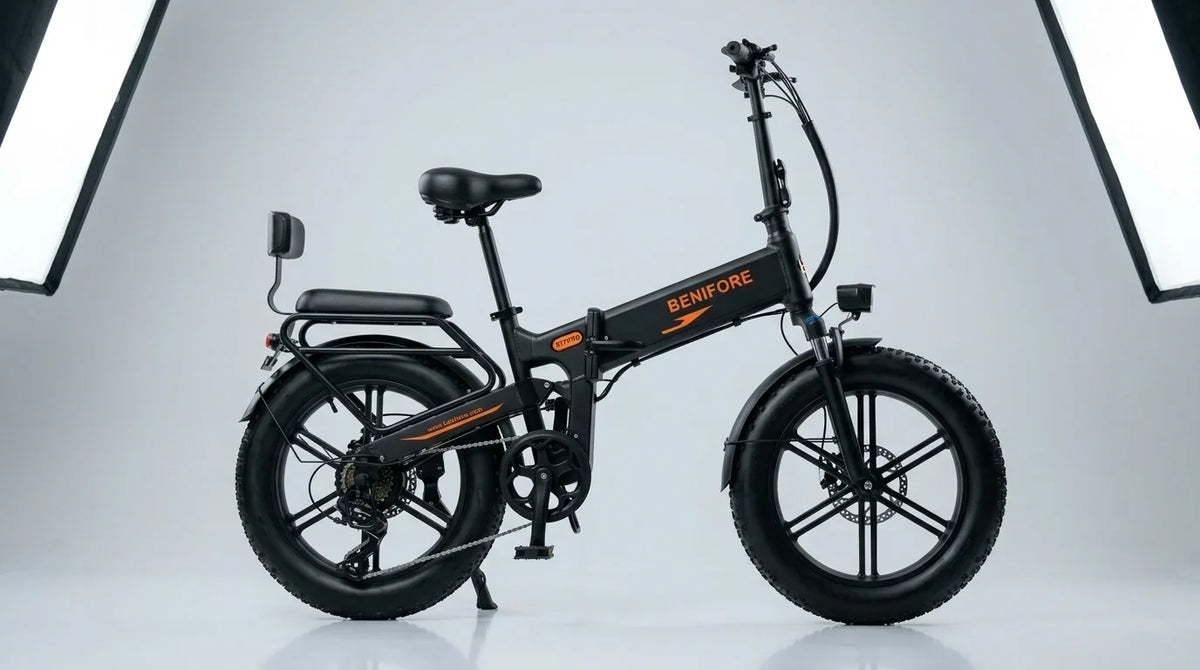
Example of a fat tire utility platform
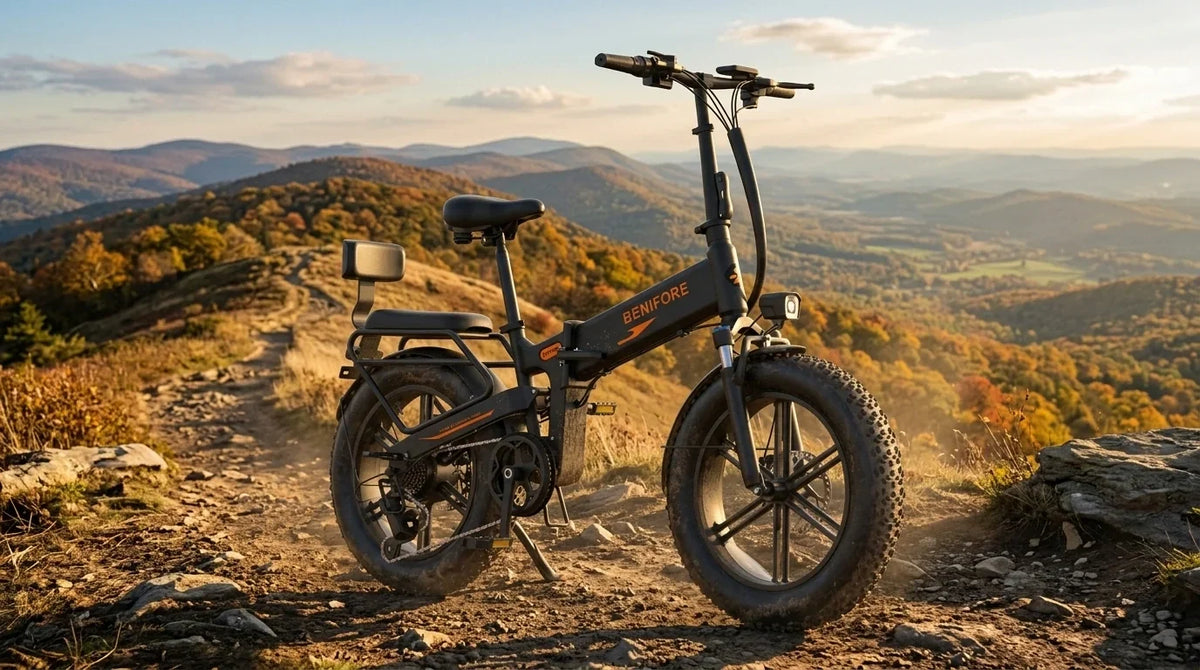
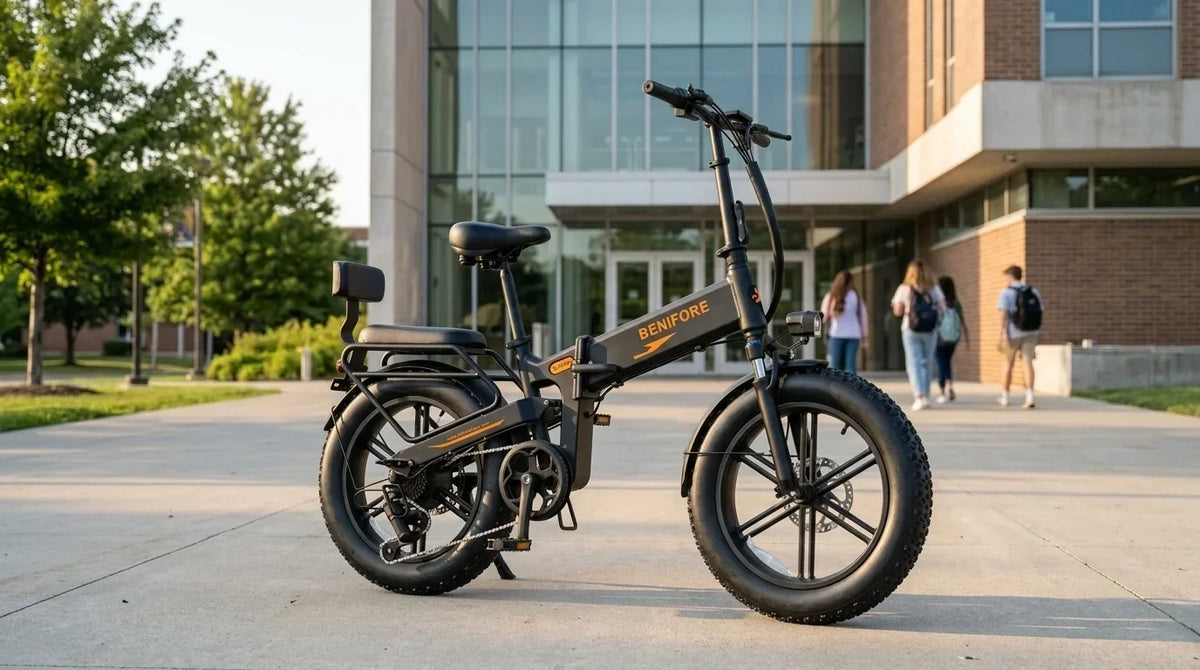
Benifore X1T PRO uses 20×4.0 all-terrain fat tires combined with full suspension.
This combination is designed to handle:
- urban commuting
- rough pavement
- mixed terrain riding
- cargo transport scenarios
It prioritizes stability over minimal weight design.
Final conclusion
There is no universally “better” option between fat tire and standard tire e-bikes.
But there is a clear distinction in use case:
- Standard tires: efficiency-focused commuting
- Fat tires: stability-focused real-world transportation
For riders dealing with mixed terrain or daily utility use, fat tire systems offer a more forgiving and practical experience.
Share: