




One of the first questions many people ask before buying an electric bike isn't about speed or range.
It's much simpler.
"How long will it actually last?"
It's a fair question.
An electric bike is an investment, and no one wants to replace it after just a couple of years.
The good news is that a well-built electric bike can provide many years of reliable riding. The better news is that longevity depends less on luck than most people think.
Let's look at what really determines the lifespan of an eBike.
An Electric Bike Isn't Just One Product
Many first-time buyers assume an electric bike wears out all at once.
It doesn't.
Instead, several components age at different rates.
The main parts include:
- Frame
- Battery
- Motor
- Drivetrain
- Brakes
- Tires
- Suspension
Some of these can last for many years with minimal maintenance, while others are considered normal wear items that eventually need replacement.
The Frame Usually Lasts the Longest
The frame is often the longest-lasting part of the bike.
High-quality steel or aluminum frames are designed to handle thousands of miles of everyday riding.
For most riders, a properly maintained frame can easily remain dependable for many years.
What matters most isn't simply the material—it's the overall quality of construction and engineering.
Battery Health Depends on Charging Habits
Battery lifespan is one of the biggest concerns for new buyers.
Modern lithium-ion batteries are remarkably reliable when used correctly.
Simple habits can make a noticeable difference:
- Avoid storing the battery completely empty.
- Keep it in moderate temperatures whenever possible.
- Use the original charger.
- Recharge before long periods of storage.
For many riders, the battery continues performing well for several years before noticeable capacity loss occurs.
Motors Are Surprisingly Reliable
Electric bike motors contain very few moving parts compared to gasoline engines.
Because of this, quality hub motors often require very little routine maintenance.
Rather than wearing out quickly, most motor issues are caused by external factors such as damaged wiring, improper maintenance, or water exposure.
When paired with regular inspections, today's electric bike motors are built for long-term daily use.
Regular Maintenance Makes the Biggest Difference
The components that usually require attention aren't the expensive ones.
They're the everyday wear items.
These include:
- Brake pads
- Chains
- Tires
- Cables
- Drivetrain components
Replacing inexpensive wear parts at the appropriate time often prevents larger problems later.
Routine maintenance keeps the entire bike operating smoothly.
Riding Conditions Matter
Not every rider uses an electric bike the same way.
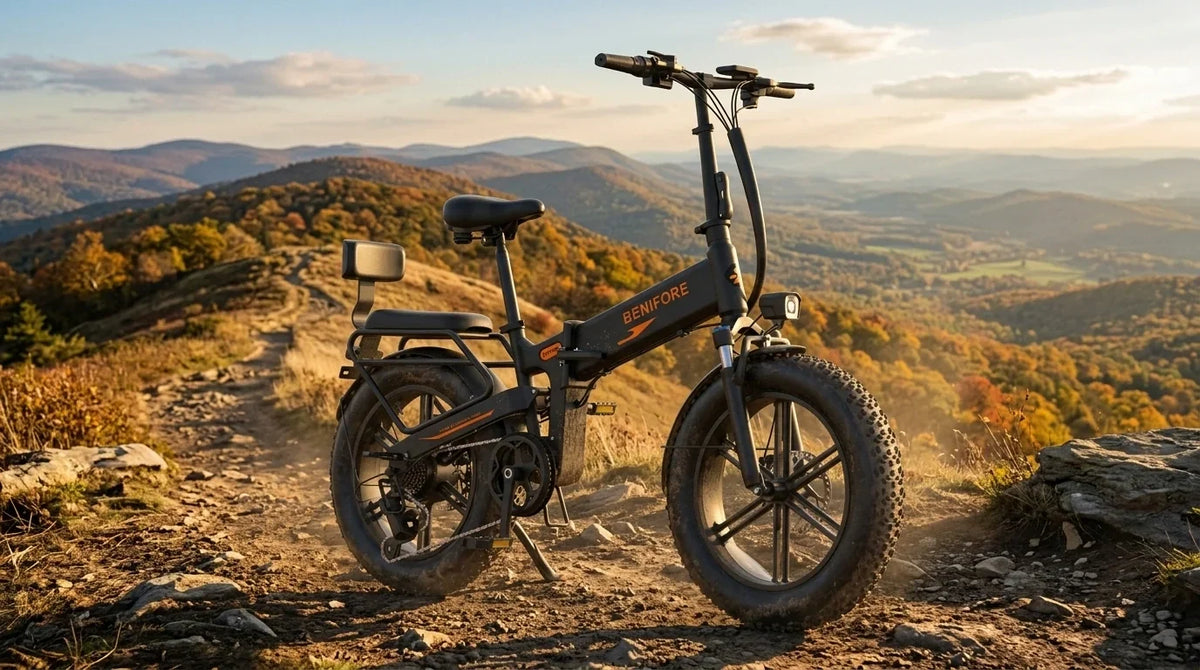
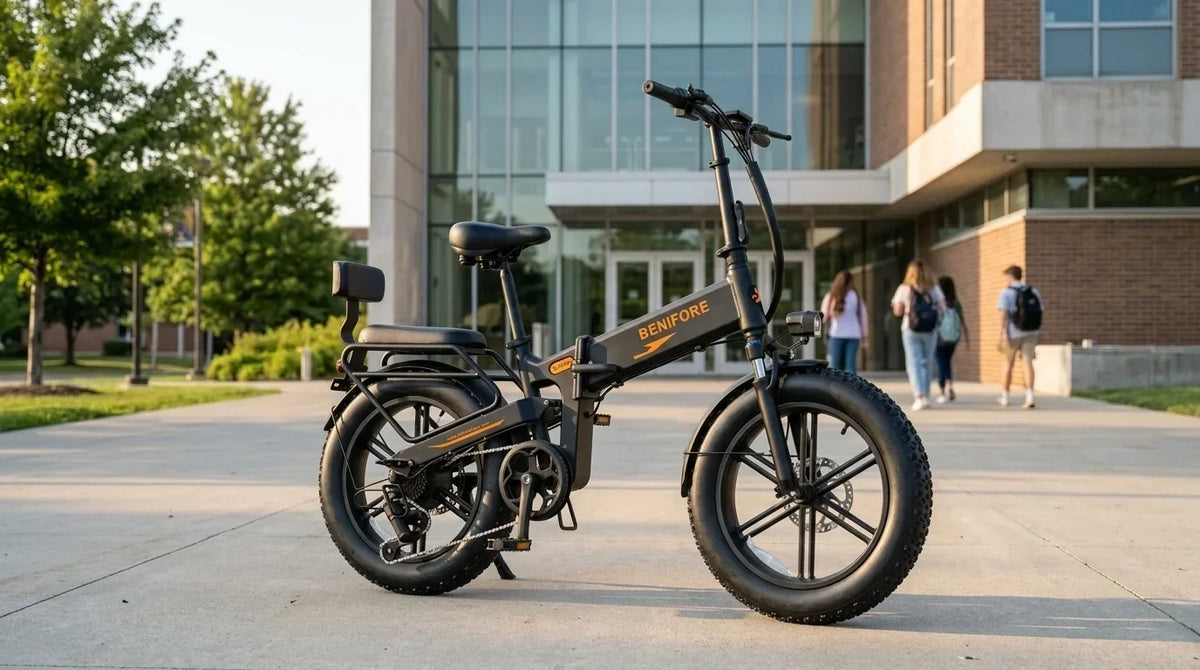
Someone commuting on paved city streets will place very different demands on a bike than someone regularly exploring gravel roads or forest trails.
Environmental conditions such as dust, rain, sand, and steep climbs can all influence how frequently maintenance is needed.
Fortunately, these conditions don't necessarily shorten the bike's life—they simply require more regular care.
Customer Support Matters After Purchase
An electric bike isn't something you buy once and forget.
Over time, every rider may need advice, replacement parts, or technical support.
This is why choosing a company with responsive customer service can be just as important as choosing the bike itself.
Reliable support helps extend the useful life of the bike while giving riders confidence that assistance is available when needed.
Buying Quality Saves Money
Lower-priced electric bikes often appear attractive at first.
However, lower-quality components can require earlier replacement, more frequent repairs, and reduced long-term reliability.
Choosing a bike designed with durable components, solid engineering, and dependable customer support often results in a lower total cost of ownership over time.
Sometimes the least expensive purchase isn't the most economical one.
Final Thoughts
An electric bike isn't designed for just one season.
When built with quality components and maintained properly, it can become a dependable part of everyday life for years.
Instead of focusing only on the purchase price, consider the overall ownership experience—including durability, serviceability, and long-term reliability.
The best electric bike isn't simply the one that performs well on day one.
It's the one you'll still enjoy riding years later.
Share: