




When people come across a newer e-bike brand like Benifore, the reaction is usually mixed.
Some immediately compare specs. Others question whether it’s even worth considering compared to established names.
But the real question isn’t just:
👉 Is Benifore a good brand?
It’s more like:
👉 What kind of rider is this brand actually built for?
Because in 2026, “good” depends heavily on use case—not reputation alone.
The e-bike market has changed what “good” means
A few years ago, brand reputation was everything.
Now things are more fragmented.
Most riders don’t care whether a brand is “famous” first—they care about:
- Does it survive daily commuting?
- Does it feel stable under real load?
- Does it handle hills without struggling?
- Does it feel consistent after months of use?
In other words, performance in real life matters more than identity on paper.
Where Benifore fits in the real market
Benifore doesn’t behave like a traditional lifestyle e-bike brand.
It sits closer to what you could call a utility-performance hybrid category.
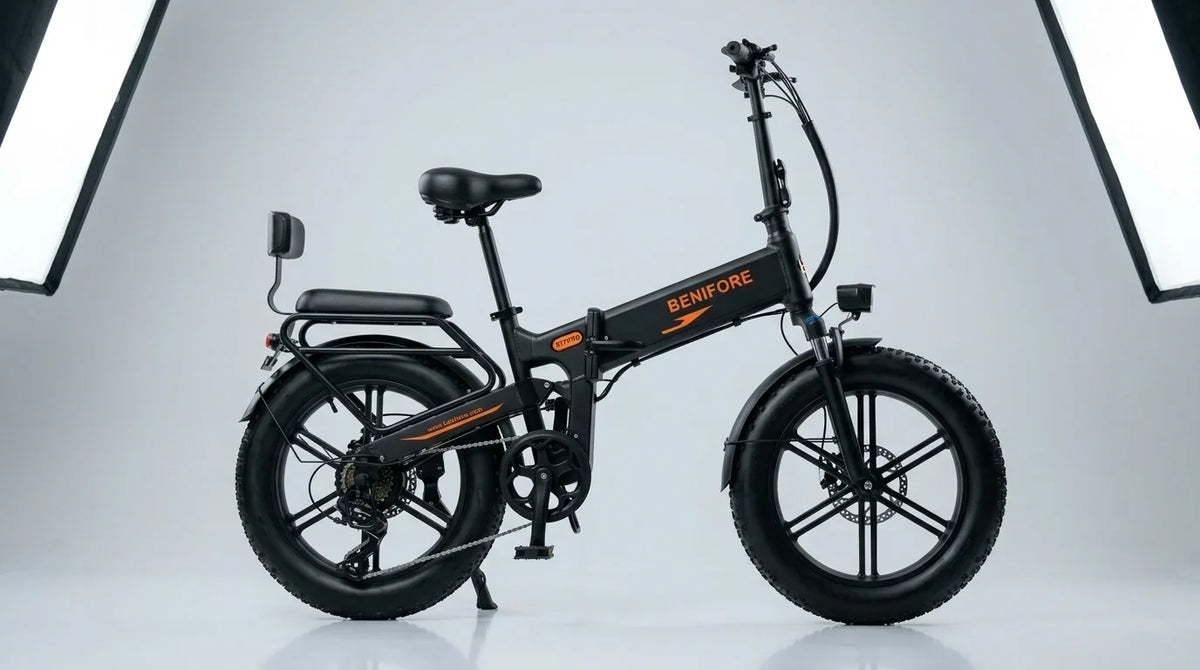
For example, the Benifore X1T PRO is clearly designed around:
- torque-heavy riding instead of lightweight efficiency
- stability under load instead of minimal frame design
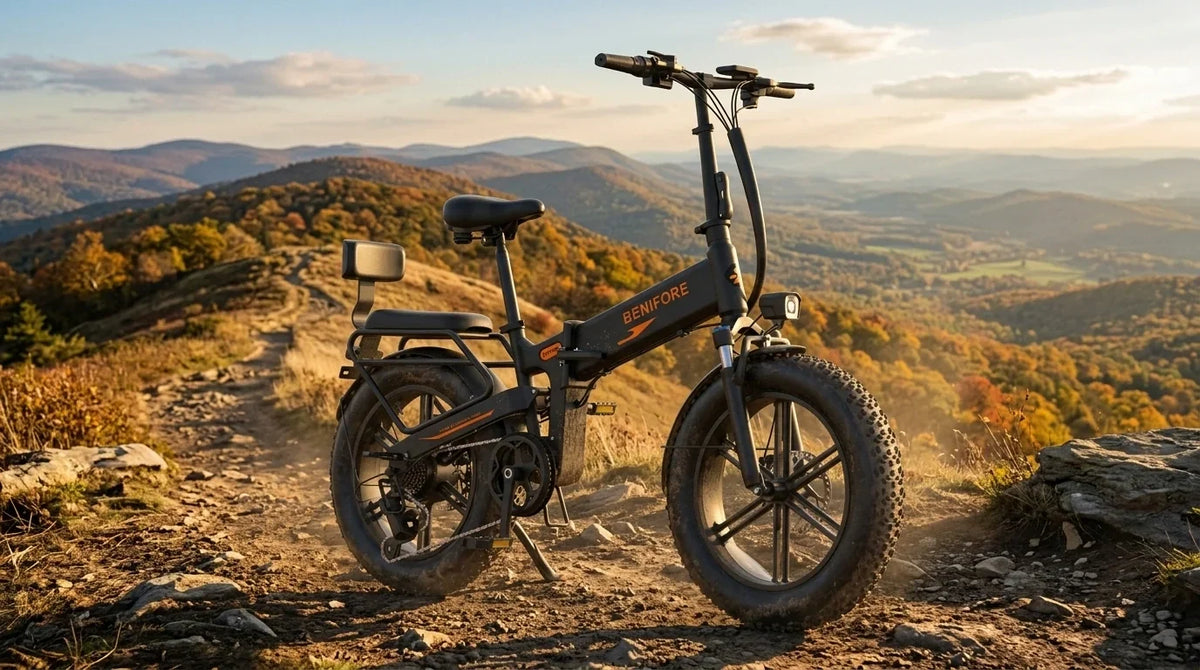
- mixed terrain usability instead of smooth-road optimization
- full suspension comfort instead of stripped-down simplicity
This already tells you what the brand is optimizing for.
It’s not trying to be “the cleanest commuter bike.”
It’s trying to be something you can rely on in less predictable conditions.
The real question: does that approach actually work?
This is where things get interesting.
Because this type of design philosophy has both strengths and trade-offs.
Where it makes sense
For riders who deal with:
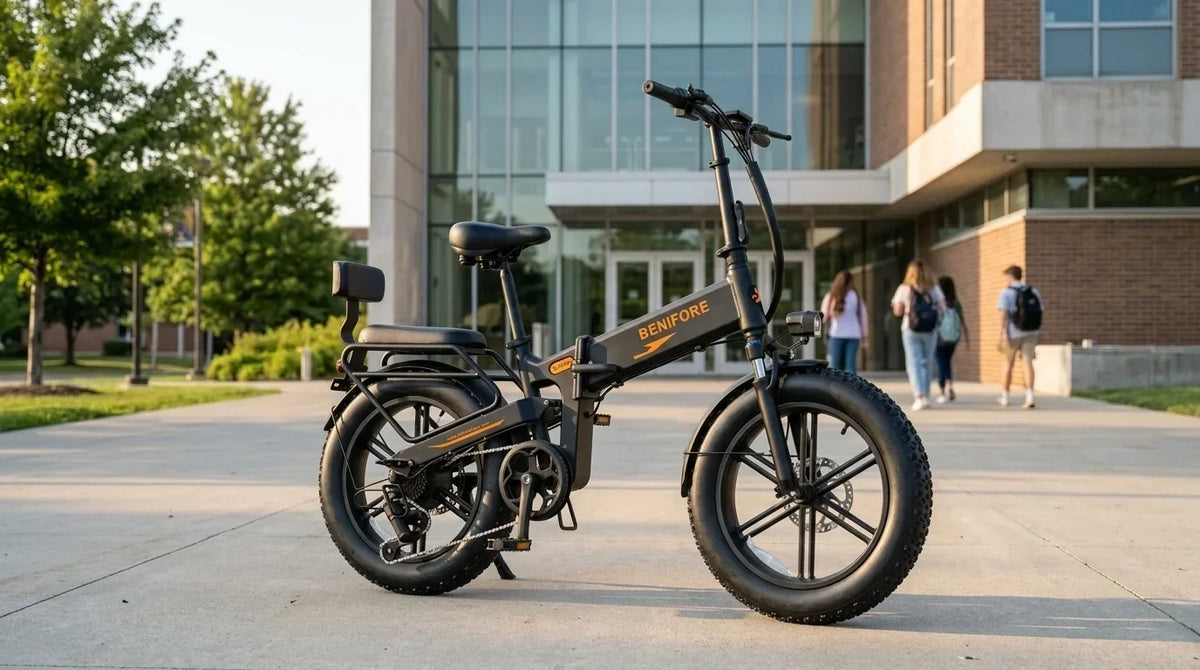
- uneven city roads
- stop-and-go traffic
- carrying backpacks or cargo
- occasional hills or rough pavement
A setup focused on torque + stability tends to feel more forgiving and less fragile.
It doesn’t feel “light,” but it feels more planted.
Where it may not be ideal
On the other hand, if someone expects:
- ultra-light handling
- minimal design aesthetics
- pure fitness-style riding
- simple short-distance commuting
Then this type of bike can feel like more than necessary.
Not bad—just more machine than lifestyle tool.
So is Benifore actually a “good brand”?
It depends on what you value.
If “good” means:
- polished brand image
- long historical reputation
- minimalist commuter focus
Then Benifore is not trying to compete in that lane.
But if “good” means:
- it doesn’t fall apart under daily use
- it feels stable when conditions are not perfect
- it handles real-world riding stress without drama
Then it starts to make more sense.
In short, Benifore makes the most sense for riders who care more about how a bike performs in daily conditions than how well-known the brand is.
Share: