




When I stopped for coffee one Saturday morning, something caught my attention in the parking lot.
There were four pickup trucks parked outside. Three of them had folding electric bikes mounted in the bed.
Five years ago, that would've been unusual.
Today, especially across suburban America, it isn't.
For many families, an electric bike isn't replacing a car—it's replacing the need for owning another one.
After talking with neighbors, riders at local trails, and people commuting around my own town, I realized this shift isn't about saving money alone. It's about changing how people actually move through daily life.
The Second Car Isn't Always Necessary
According to transportation studies published over the past several years, a significant percentage of daily American trips are surprisingly short.
Many errands—grocery runs, school pickups, coffee stops, local parks, and commuting within a few miles—don't require a full-size vehicle.
That's exactly where an electric bike begins to make sense.
Instead of waiting in traffic, searching for parking, or paying for fuel every week, many riders simply grab a helmet and ride.
It's faster than most people expect.
Comfort Has Become Just as Important as Speed
A few years ago, many affordable electric bikes focused almost entirely on power.
Today, riders are asking different questions.
- Is the bike comfortable after 30 miles?
- Can my spouse ride on the back?
- Does it feel stable on rough pavement?
- Will it carry groceries without feeling overloaded?
Those questions explain why modern fat tire electric bikes have become increasingly popular across the United States.
Wide tires, suspension systems, larger saddles, passenger seating, and higher payload capacities all contribute to a better everyday riding experience—not simply a faster one.
Weekend Freedom Matters More Than Specifications
One interesting observation I've noticed is that people rarely talk about motor wattage after they buy an e-bike.
Instead, they talk about where they went.
Fishing before sunrise.
Taking grandchildren to the park.
Exploring campground roads.
Visiting the local farmers market without fighting for parking.
Specifications help people decide.
Experiences are what make them ride again next weekend.
Why Folding Electric Bikes Continue Growing
The popularity of folding electric bikes has accelerated because they fit modern American lifestyles remarkably well.
Instead of requiring a dedicated bike rack, many owners simply fold the bike and place it inside:
- SUVs
- Pickup trucks
- RV storage compartments
- Garages with limited space
- Apartment closets
For people who travel frequently, flexibility often matters just as much as riding performance.
Range Anxiety Is Becoming Less Relevant
One topic that repeatedly appears in rider communities is "range anxiety."
Early electric bikes often required riders to constantly monitor battery percentage.
Today's larger-capacity batteries have changed that conversation.
Most riders simply charge overnight and ride for several days before thinking about charging again.
As battery technology continues improving, convenience has quietly become one of the biggest reasons people stick with electric bikes.
Choosing the Right Bike Isn't About Buying the Most Expensive One
It's easy to assume spending more automatically delivers a better experience.
That isn't always true.
The best electric bike is the one that matches how you actually ride.
Someone commuting five miles to work has different needs than someone exploring forest service roads every weekend.
Families carrying passengers prioritize comfort and stability.
Outdoor enthusiasts often value payload capacity and all-terrain capability.
Understanding your riding habits first usually leads to a better purchase than chasing the highest specifications.
Where Benifore Fits
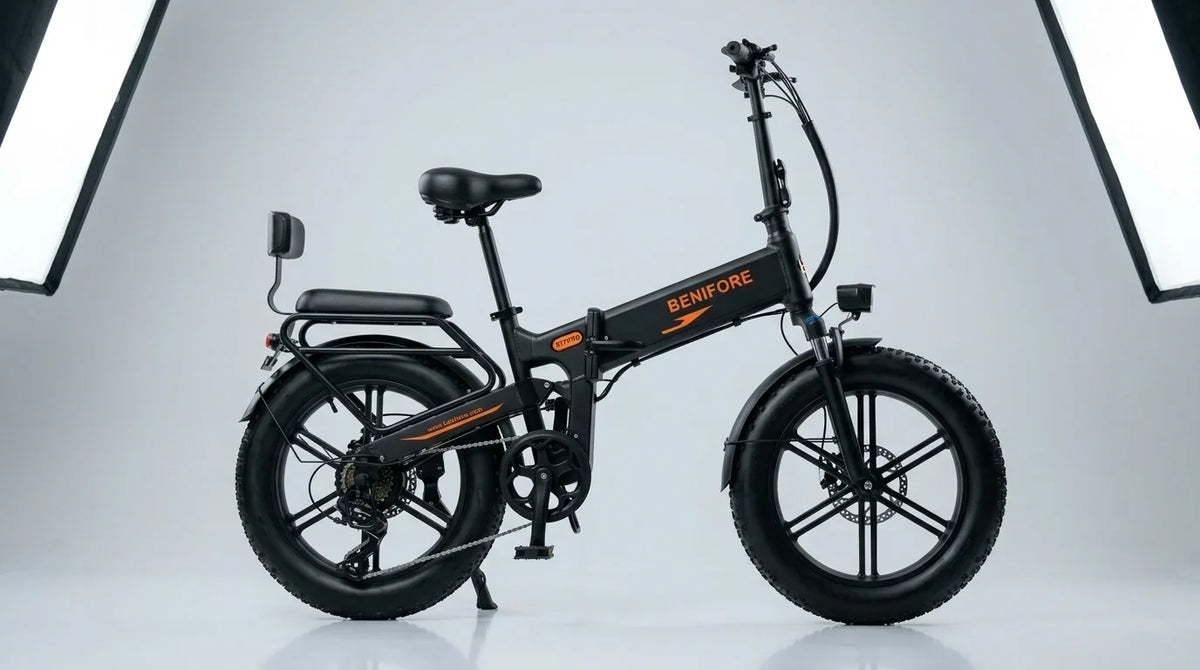
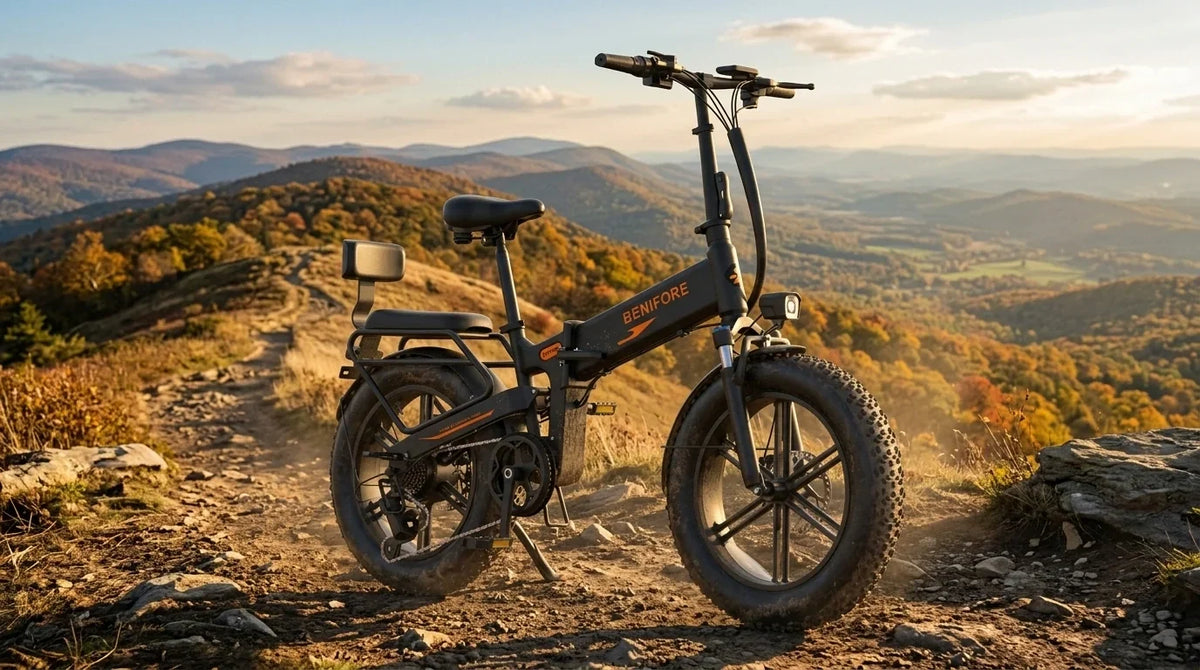
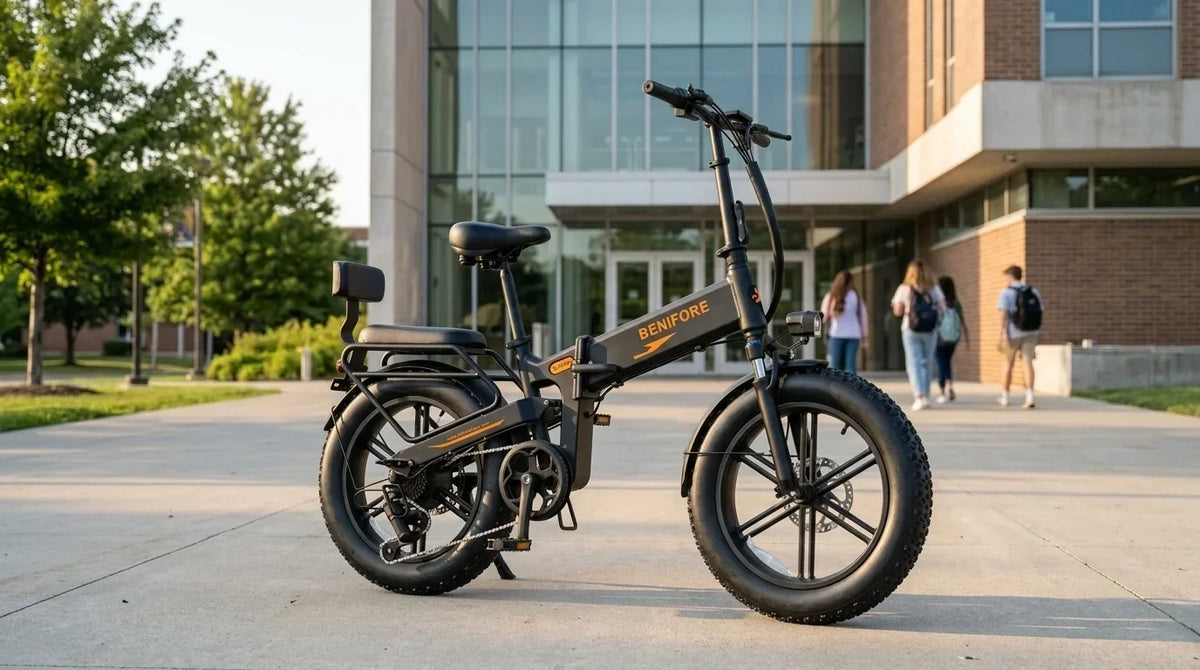
At Benifore, we've designed the X1T PRO around the kind of riding we consistently hear from American customers.
Daily commuting.
Weekend recreation.
Camping trips.
Fishing roads.
Family rides.
Instead of focusing on one riding style, we wanted to build a folding electric bike capable of handling the variety that defines everyday American life.
That's why features such as a high-capacity battery delivering up to 65 miles of range, full suspension, 20×4.0 all-terrain fat tires, 90 N·m of torque, passenger seating, and a reinforced 400-pound payload work together as one complete riding system—not simply as individual specifications.
Final Thoughts
The conversation around electric bikes has changed.
It isn't simply about replacing bicycles.
For many American families, they're replacing short car trips, making weekends easier, and creating new reasons to spend time outdoors.
Sometimes the smartest transportation decision isn't buying another vehicle.
It's finding a better way to use the one you already have—and letting an electric bike handle everything else.
Share: