




Bike Tire Sizes Explained: A Beginner's Guide
Understanding bike tire sizes is one of the most important steps for safe and enjoyable cycling. The right tires affect speed, comfort, grip, and even how easy it is to control your e-bike.
Many riders ask: how to read bike tire size? or what do tire specifications mean for an electric bike? This guide breaks down bike tire sizes in simple terms, using examples and charts to make the process clear for beginners and seasoned riders alike.
What Are Bike Tire Sizes?
Bike tire sizes are shown as two numbers written together, usually diameter × width. For example, a tire marked 20x4.0 means the wheel has a 20-inch diameter and the fat tire itself is 4.0 inches wide.
These numbers are more than just labels; they dictate how your ride feels on asphalt or rough trails. Narrow tires roll quickly and are common in road bike tire sizes, but they offer less traction. Wider tires provide superior stability, comfort, and load-bearing capacity, which is why Benifore electric bikes use heavy-duty fat tires for ultimate all-terrain control.
Because tire sizing can vary across manufacturers, always confirm your fit using a bike wheel diameter chart, a bike tire size chart, or a bicycle tire size chart before purchasing replacements. Correct bike tire measurements ensure a secure match with your rims.

How to Read Bike Tire Size
Every tire has its size printed directly on the sidewall. Learning to read this format prevents costly mistakes.
- Example: 20x4.0 → “20” is the wheel diameter in inches, and “4.0” is the tire width.
- What about standard road sizes like 700c? It refers to a wheel diameter of about 622mm, standard for traditional commuter and road bikes.
- For high-power e-bikes and all-terrain models, you will commonly see sizes like 20x4.0 or 26x4.0 fat tires.
How to Measure Bike Tire Size
If the sidewall numbers have faded, you can measure the tire manually using a tape measure:
- Diameter – Measure straight across the tire passing through the exact center hub.
- Width – Measure across the widest point of the tread from sidewall to sidewall.
- Confirm – Cross-reference your results with a standard bicycle tire size chart.
Bike Tire Size Charts & Tables
| Type of Bike | Common Tire Sizes | Notes on Fit and Use |
|---|---|---|
| Road Bikes | 700x23c – 700x32c | Slim tires built for high speed on smooth pavement. |
| Mountain Bikes | 26x2.0 – 29x2.6+ | Aggressive tread for rugged off-road traction. |
| City/Hybrid Bikes | 700x28c – 700x40c | Balanced for daily commuting and light paths. |
| Performance E-Bikes | 20x4.0" All-Terrain Fat Tires | Engineered to support heavy payloads, high power, and rough tracks. |
E-Bike Tire Sizes & Why Fat Tires Matter
Electric bicycles carry extra weight from high-capacity batteries and powerful hub motors. Consequently, their tires must be wider, thicker, and more puncture-resistant than standard bicycle tires. Benifore e-bikes utilize optimized fat tires to deliver maximum stability, shock absorption, and traction across sand, snow, urban potholes, and dirt trails.
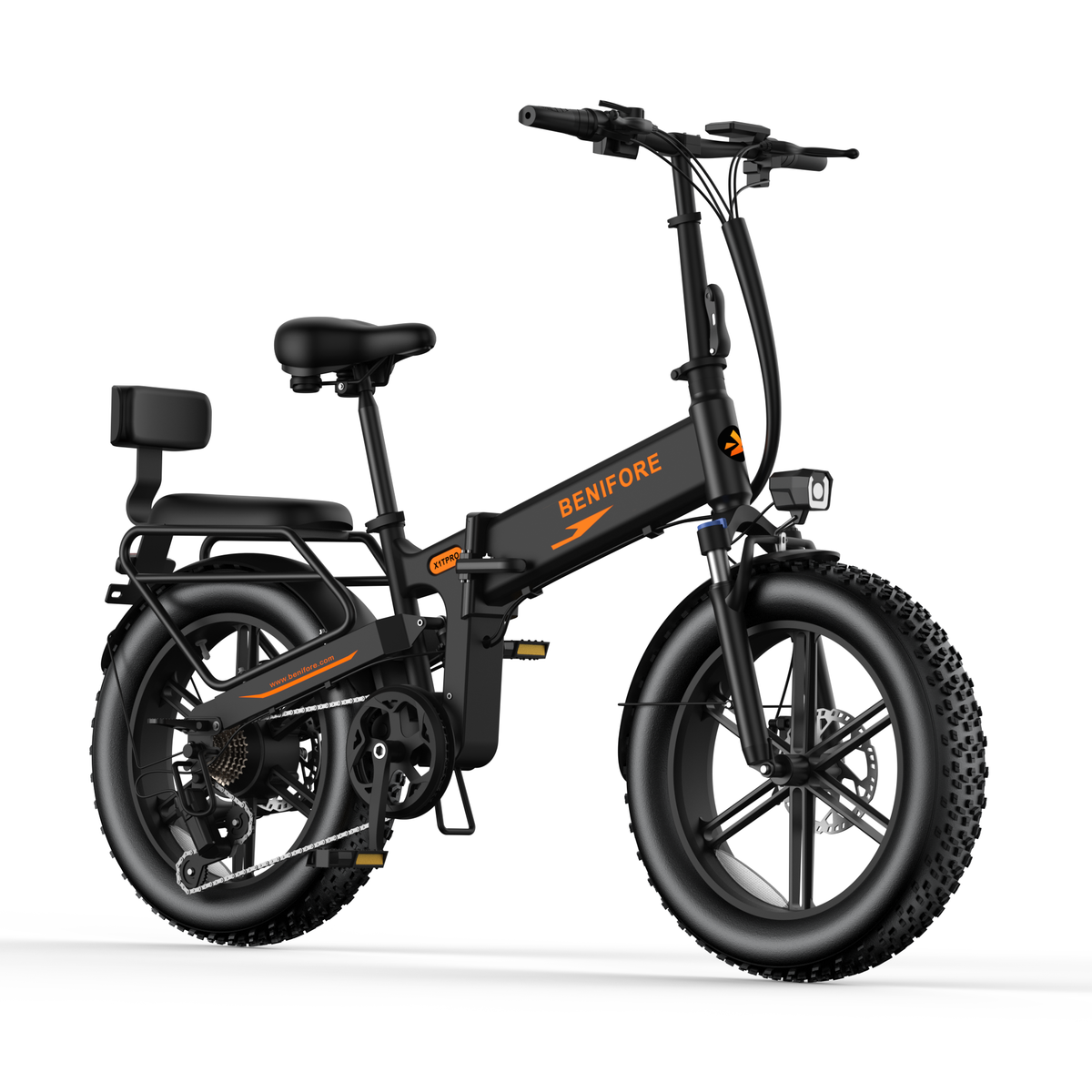
Equipped with 20×4.0" All-Terrain Fat Tires, 1500W Peak Power, and Full Suspension for Ultimate Adventures.
Final Thoughts
Choosing the correct tire size is vital for your safety, range, and comfort. Whether you ride nimble road bikes or high-performance fat tire e-bikes like the Benifore X1T PRO, matching your measurements with proper sizing charts ensures a smoother, safer journey every time you hit the road.
Frequently Asked Questions
How do I know what size e-bike tire I need?
Check the embossed numbers on the outer sidewall of your current tire or consult your e-bike user manual and sizing charts.
Why do high-power e-bikes use fat tires?
Fat tires (such as 20x4.0") distribute the heavier weight of e-bike motors and batteries evenly, offering better shock absorption and traction on rugged terrain.


Compartir: